
What Is Montessori Generation

📖 Table of Contents
When my son was two, I noticed he was spending hours arranging his toy blocks in perfect rows. It wasn’t just play—he was learning. That moment sparked my curiosity about Montessori Generation, a parenting approach I hadn’t even heard of before. This journey wasn’t about finding a quick fix but understanding a deeper philosophy that could help my child thrive in a world that often feels rushed and overwhelming.
What is Montessori Generation, you might ask? It’s not a new trend or a flashy parenting method. Instead, it’s a thoughtful, child-led approach rooted in the principles of Maria Montessori, adapted for modern families. It emphasizes respect for the child’s autonomy, a structured yet flexible environment, and a focus on hands-on learning through everyday experiences. This isn’t about turning your home into a classroom but about nurturing a curious, independent, and emotionally grounded child.
I spent weeks researching and even attended a Montessori parent workshop. What stood out was how this method helps children develop a strong sense of self, confidence, and resilience. I saw the shift in my son’s behavior almost immediately—he was more patient, more focused, and more willing to try new things. What is Montessori Generation? It’s a parenting philosophy that, when practiced with intention, can transform not just your child, but your entire family dynamic.
Why You'll Love This Parenting Approach
- It fosters independence and self-reliance in children.
- It promotes emotional intelligence and patience.
- It aligns with a child’s natural developmental rhythm.
- It reduces screen time and encourages real-world learning.
What is Montessori Generation?
As of November 2026, at its core, Montessori Generation isn’t about following a rigid curriculum. Instead, it’s about observing your child and offering them opportunities to explore, learn, and grow at their own pace. This approach values the child’s autonomy and encourages them to make choices, solve problems, and take responsibility for their actions.[1]
Unlike traditional parenting styles that often prioritize speed and efficiency, Montessori Generation takes time to build a strong foundation. This means allowing your child to repeat tasks, explore materials, and engage in activities that interest them. It’s about creating a home environment that supports their natural curiosity and development.
What makes Montessori Generation unique is its emphasis on the child as an active participant in their learning. This means that instead of dictating what and when your child should learn, you create an environment that invites them to explore and discover. It’s a gentle, child-led approach that can help your child develop confidence and self-awareness.
Designate a small, quiet area in your home where your child can explore without distraction. This space can be filled with natural materials like wooden blocks, puzzles, or fabric scraps for sensory play.
Part of our Montessori at home guide.
The Power of Observation

One of the most important skills I learned in Montessori Generation was how to observe my child without interfering. This meant sitting quietly and watching him as he played, noting what he was drawn to and how he interacted with his environment. It was a powerful way to understand his unique learning style and preferences.
Observation isn’t just about watching—it’s about listening and being present. I found that when I truly listened to my son, I could better support him in his learning journey. This meant asking open-ended questions, allowing him to express his thoughts, and not rushing to correct or redirect him.
The more I observed, the more I realized that each child has a different rhythm and pace. This understanding helped me let go of comparisons and focus on what was right for my son. It was a transformative shift in my parenting approach.
Observation is the key to understanding your child’s unique path.
Related: Montessori for toddler bed
The Importance of a Prepared Environment
A prepared environment is one that is safe, accessible, and inviting for your child to explore. In my home, this meant organizing toys and materials in a way that encouraged independent play. I placed books at his eye level, made sure tools were within reach, and kept the space uncluttered and calm.
This approach also means allowing your child to choose what they want to do, when they want to do it. I discovered that giving my son autonomy over his activities led to increased focus and engagement. He was more likely to stay with a task if he felt in control of his choices.
The environment also plays a role in helping your child develop a sense of order and responsibility. I found that when I introduced simple routines and kept things consistent, my son learned to manage his space and his time more effectively.
Establishing simple routines, like a daily cleanup time or a specific place for each toy, helps your child develop a sense of order and responsibility.
“When my son was two, I noticed he was spending hours arranging his toy blocks in perfect rows.”— Thetraylife editors
Related: How montessori school
Respecting the Child’s Rhythm
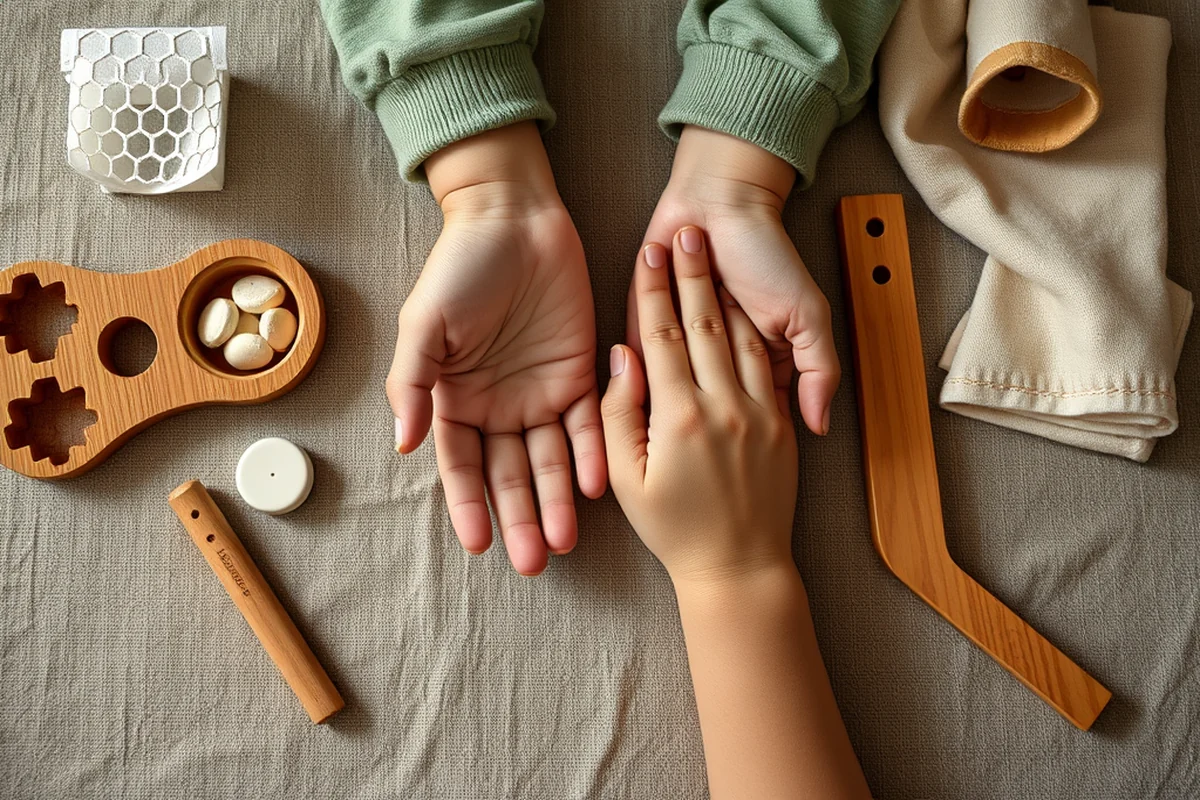
One of the hardest parts of Montessori Generation for me was learning to let go of my own expectations. I realized that my son didn’t always want to follow my schedule. He had his own rhythm, and I needed to respect that.
This meant allowing him to nap when he needed to, even if it didn’t fit with my plans for the day. I also gave him time to explore activities that interested him, even if they weren’t educational in the way I expected. It was a shift in mindset that helped me trust my child more deeply.
Over time, I noticed that when I respected his rhythm, he became more confident and self-assured. He was able to take the lead in his learning, which made him more engaged and less stressed. It was a small but powerful change that made a big difference in our relationship.
Related: Top montessori at home book
Encouraging Independence
One of the most rewarding aspects of Montessori Generation is seeing your child take on tasks that you previously thought were too difficult for them. My son, for example, learned to dress himself, tie his shoes, and even cook simple meals—all without much help from me.
Encouraging independence doesn’t mean leaving your child to struggle alone. Instead, it means offering guidance and support while allowing them to take the lead. I found that when I stepped back and let my son figure things out on his own, he was more likely to persist and find solutions.
This approach helped my son develop a sense of pride and accomplishment. He wasn’t just learning how to do things—he was learning how to trust himself and his abilities. It was a powerful shift in his overall confidence and attitude.
Related: Affordable montessori at home for 3 year old
The Role of the Adult in Montessori Generation
As a parent, I had to learn how to be present without being overbearing. This meant stepping back and allowing my son to explore, even when I wasn’t sure what he was doing. I also had to resist the urge to correct or redirect him constantly, trusting that he would find his way.
This doesn’t mean I stopped participating altogether. Instead, I became a facilitator, offering gentle support when needed. I found that my son responded better when I was a quiet observer rather than an active director.
The most important thing I learned was that my presence was more important than my control. By being a calm, consistent figure in his life, I helped him feel safe and supported, which allowed him to thrive in his learning and development.
The adult’s job is to support, not to direct.
Related: Easy montessori at home
The Benefits of Montessori Generation
One of the most noticeable benefits of Montessori Generation is the increased independence I saw in my son. He was more willing to take initiative, solve problems, and manage his own time. This translated into a more confident and self-assured child who was less reliant on me for constant direction.
For me as a parent, the biggest benefit was the shift in our relationship. I was no longer trying to control every aspect of his life, and instead, I was learning to trust him and his ability to grow on his own. This created a more balanced dynamic where we both felt heard and valued.
Montessori Generation also helped me become a more intentional and present parent. Instead of rushing through tasks and trying to keep up with my own schedule, I was able to slow down and focus on what was truly important—building a strong, respectful relationship with my child.
🌷 Gentle Montessori Generation
A calm, low-pressure approach that allows the child to explore at their own pace with minimal structure.
🚀 Fast-Track Montessori Generation
A more structured, time-efficient version that still respects the child’s autonomy while promoting key developmental milestones.
✈️ Travel-Friendly Montessori Generation
A flexible, portable version of Montessori Generation that can be used while traveling or in new environments.
👶 Montessori for Multiples
A tailored approach that supports multiple children in the same household while promoting individual development and shared learning.
🔄 Montessori Regression Reset
A focused strategy to help children who are struggling with transitions or developmental setbacks regain confidence and independence through structured support.
| The mistake | Why it happens | The fix |
|---|---|---|
| Trying to force a Montessori-style routine | Children thrive when they are allowed to explore at their own pace. Forcing a rigid structure can lead to resistance and frustration. | Observe your child and allow them to take the lead in their learning and development. |
| Using too many materials at once | Overloading your child with too many options can be overwhelming and may prevent them from focusing on what truly interests them. | Start with a few simple, high-quality materials and gradually introduce more as your child becomes more engaged. |
| Not being present enough | Even in a Montessori-style environment, your presence is crucial. Being absent can lead to a lack of emotional connection and guidance. | Make time to observe and engage with your child regularly, even if it’s just for a few minutes a day. |
| Comparing your child to others | Each child develops at their own pace, and comparing them to others can lead to unnecessary pressure and stress. | Focus on your child’s individual progress and celebrate their unique strengths and achievements. |
What Is Montessori Generation
Common Questions
How do I get started with Montessori Generation?
What age is best for Montessori Generation?
How long does it take to see results with Montessori Generation?
Can Montessori Generation work with a busy family schedule?
References
- Maria Montessori and Her Contributions to Active School and Early ... (files.eric.ed.gov)
Cite this guide
Thetraylife (2026). What Is Montessori Generation. https://thetraylife.com/what-is-montessori-generation/
Feel free to cite or share this guide.
Montessori Tray Idea Generator
Age-filtered Montessori tray ideas from household items.
Open it free →