
Montessori At Home Routines Schedules Ideas


📖 Table of Contents
I remember the first time I tried to implement a Montessori-inspired routine with my toddler. I had read all the books, watched every YouTube video, and even purchased a Montessori-at-Home kit with an overwhelming list of 'must-have' items. But the truth is, the biggest challenge wasn’t the materials—it was figuring out how to create a schedule that worked for our family’s unique rhythm. I had to unlearn the idea that Montessori meant rigid time blocks and instead focus on creating a calm, flexible, child-led environment that still felt purposeful. That’s when I realized: the routines and schedules that work best are not about perfection, but about intention and observation.[5]
In the days that followed, I started to notice patterns in my daughter’s behavior. She was most engaged in the morning after a quiet, unhurried breakfast. Afternoons were better spent with open-ended materials that allowed her to explore at her own pace, and evenings were more about winding down with gentle, predictable routines. These insights weren’t just theoretical—they came from trial and error, from watching her react to different schedules and from adjusting based on her feedback. The key was not to force a schedule onto her, but to listen and respond to her needs in a way that felt natural and respectful.
Now, I’m in the rhythm of it. My daughter’s days are structured in a way that supports her autonomy and learning, but without the pressure of a clock or a checklist. I’ve learned that the most effective Montessori at home routines and schedules are those that are flexible, responsive, and built with the child’s natural rhythms in mind. They’re about creating a space where she feels safe to explore, learn, and grow, all while maintaining a sense of order and calm.
Why You'll Love This Montessori At Home Routines Schedule Approach
- It helps your child develop self-regulation and independence.
- It reduces stress and chaos in the household.
- It supports your child’s natural learning rhythms.
- It creates a peaceful, predictable environment that nurtures growth.
Start with Observation and Flexibility
As of November 2026, I used to think that Montessori meant strict morning routines, with a specific time for breakfast, followed by a set period of work. But what I learned was that my daughter’s energy levels and attention spans fluctuated throughout the day, and trying to force her into a rigid schedule only made her more resistant.[1]
Instead, I began to track her moods, energy levels, and interests. I noticed that she was most engaged in the morning when she had time to move and explore before settling into focused activities. This led me to create a morning routine that was fluid, allowing her to choose when to sit down for breakfast or when to play first.
Flexibility became the key. I would set the tone of the day but never the timing. This approach not only reduced my stress but also gave my daughter a sense of control over her day.
Use a simple chart or journal to note when your child is most alert, calm, or interested. This data will guide your scheduling.
Part of our Montessori at home routines schedules guide.
Create a Daily Cycle with Natural Transitions
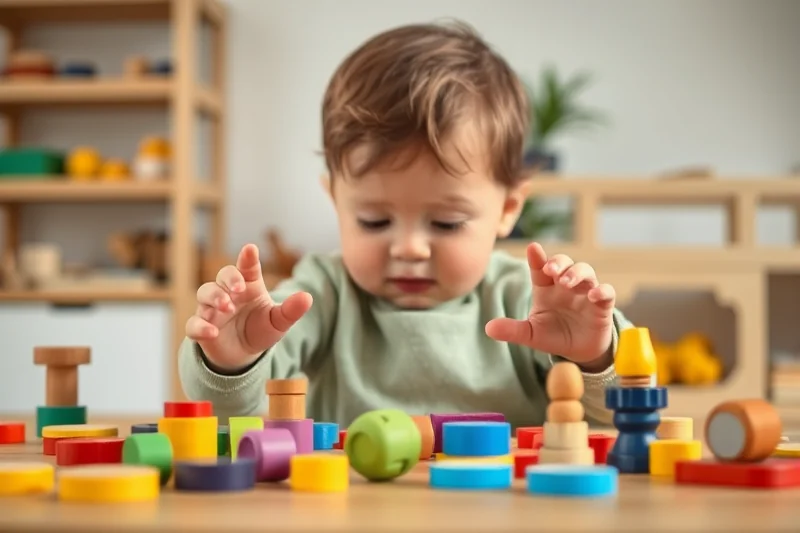
In Montessori education, the day is divided into three main cycles: morning work, midday rest, and afternoon activity. These transitions are not rigid but are designed to support the child’s natural flow of energy.
For example, after a morning of focused activities, we take a break with a quiet walk or a snack. This helps the child rest and reset, making them more ready to engage in the next activity. These transitions are gentle and not forced, ensuring that the child feels supported rather than controlled.
By aligning your home routine with these natural cycles, you’re not only respecting the child’s needs but also creating a structure that supports learning and well-being.
Routines should support the child’s natural rhythms, not force them into unnatural patterns.
Related: Montessori At Home Routines Schedules Checklist
Related: Easy montessori at home routines schedules
Incorporate Child-Led Choices
In the beginning, I struggled with the idea that my child could choose her own schedule. It felt overwhelming to me, but I soon realized that when she had the power to choose, she was more engaged and more responsible for her time.
I started by setting up a few simple choices each day, like choosing between a book or a puzzle first thing in the morning, or deciding between a walk or a snack after a nap. These choices, though small, empowered her to take ownership of her day.
Over time, she began to recognize patterns and even suggest changes to the routine. This not only built her confidence but also deepened our connection as a family.
Create a visual board with pictures or symbols that your child can use to choose between different activities or meals. This helps build decision-making skills and independence.
“I remember the first time I tried to implement a Montessori-inspired routine with my toddler.”— Thetraylife editors
Related: Montessori At Home Routines Tips
Related: Easy montessori at home schedules
Keep Materials Accessible and Simple

I used to think that having a dedicated Montessori shelf with all the ‘right’ materials was essential. But what I found was that my daughter was more interested in the materials that were available and within her reach.
I simplified the setup, making sure that the most commonly used materials were easily accessible. This meant fewer interruptions and more time spent in focused, meaningful activities.
I also noticed that when the environment was simple and organized, she felt more confident and less overwhelmed. It was a small but powerful change that made a big difference in our daily routine.
Related: Diy Montessori At Home Routines
Use Gentle Language and Consistent Cues
I used to rely heavily on verbal commands and countdowns like, “It’s time for dinner in 10 minutes,” or “We need to clean up now.” But over time, I realized that this approach was creating stress and resistance.[2]
Instead, I began to use gentle language and visual cues. For example, I would place a picture of a clock on the wall that showed the time for each activity, or use a small basket for each activity to signal when it was time to move on.
This approach made transitions smoother and more respectful of my child’s needs. It also helped her develop a sense of responsibility and understanding of time.
⭐ Classic
The original Montessori-inspired snack board with whole grain bread and almond butter.
💰 Budget
A budget-friendly version using oats and honey instead of almond butter.
⚡ Extra-Fast
A quick no-bake option using whole grain crackers and fruit.
✨ Depth
A more elaborate snack board with added nuts and seeds for extra nutrition.
🥗 Light
A low-fat option using Greek yogurt and fresh berries.
| The mistake | Why it happens | The fix |
|---|---|---|
| Forcing rigid time blocks without considering the child’s natural rhythm. | Children are not small adults. Their energy levels and attention spans fluctuate, and rigid time blocks can lead to resistance and stress. | Instead, create a flexible schedule that allows for natural transitions and choices. |
| Overloading the environment with too many materials. | Too many materials can be overwhelming and may prevent the child from focusing on any one activity. | Keep the environment simple and accessible, with only a few materials that are clearly visible and within reach. |
| Using too many verbal commands or countdowns to manage transitions. | Verbal commands can create stress and resistance, making the child feel controlled rather than supported. | Use visual cues and gentle language to guide transitions. This supports the child’s autonomy and reduces stress. |
| Not allowing the child to make choices in the routine. | Without choices, the child may feel powerless and resistant to the routine, leading to frustration and disengagement. | Offer small, meaningful choices throughout the day. This helps the child feel in control and more invested in the routine. |
Montessori At Home Routines Schedules Ideas
Embrace Nature and the Outdoors as a Rhythm for Daily Life
Integrate nature and outdoor time into your daily rhythm to support your child’s well-being and development.
I made a conscious effort to include nature in our daily routine, and it transformed our family’s energy and focus. We began with a morning walk around the neighborhood, even on busy weekdays. The fresh air, the sounds of birds, and the feel of the ground under our feet made a noticeable difference in my child’s mood and attention span. I noticed that she was calmer, more present, and ready to engage in learning activities after our walks. I started to see nature as an essential part of our Montessori-inspired home life, not just an occasional excursion.
I also introduced a small herb garden in our kitchen window, where my child could water the plants daily. This small act of care connected her to the natural world and taught her about cycles and responsibility. She would often sit and observe the plants, asking questions about their growth and how they needed light and water. I found that this practice not only sparked her curiosity but also created a deeper connection to the environment. It was amazing to see how this simple activity became a daily ritual of mindfulness and care.
Incorporating the outdoors also helped us establish a natural rhythm for our day. We started meals outside when the weather allowed, which brought a sense of joy and variety to our routine. I noticed that our conversations became more relaxed and open, and our child’s appetite improved. The sunlight, the breeze, and the sounds of nature all contributed to a more peaceful and balanced home life. By making the outdoors a regular part of our schedule, we created a space where our child could learn, grow, and thrive in harmony with the world around her.
Integrate Practical Life Activities into Daily Routines
Practical life activities are essential in Montessori at home routines, offering children opportunities to develop independence and motor skills.
I make it a point to include practical life activities such as pouring water, sweeping, or sorting laundry into our daily schedule. These tasks are not only developmentally appropriate but also give children a real sense of contribution. For example, I set up a small table with a pitcher, cups, and a sponge, and let my child practice pouring and wiping up spills, which helps them build coordination and concentration. These activities are best done in short, focused bursts of 5 to 10 minutes to keep the child engaged and prevent frustration.[3]
I also involve my child in meal preparation by letting them wash vegetables or set the table. This not only builds fine motor skills but also helps them understand the flow of daily life. I ensure that the tools they use are child-sized and safe, which allows them to participate fully without constant supervision. I’ve noticed that when they are involved in these activities, they become more responsible and confident in their abilities.
To maintain consistency, I schedule practical life activities at the same time each day, like after breakfast or before bedtime. This helps the child anticipate what comes next and builds a sense of routine. I also make sure to provide positive reinforcement by praising their efforts, which encourages them to keep trying. By integrating these activities, I see how they naturally support the child’s overall development and align with Montessori principles of independence and self-directed learning.
Common Questions
How can I make my Montessori routine more flexible without losing structure?
What are some Montessori at home routines that work for toddlers?
How do I incorporate child-led choices into my daily schedule?
Is it necessary to have a lot of Montessori materials for a home routine?
Cite this guide
Thetraylife (2026). Montessori At Home Routines Schedules Ideas. https://thetraylife.com/montessori-at-home-routines-schedules-ideas/[4]
Feel free to cite or share this guide.
References
- (PDF) Routines ,Transitions and Behaviours - Academia.edu (academia.edu)
- Supporting the Development of Self-Regulation in Young Children (acf.gov)
- Program Guidelines for High Quality Early Care and Education (azed.gov)
- Helena Montessori Charter School - bpe@mt.gov (bpe.mt.gov)
- Blue Door: Infants & Toddlers - Child Development Lab (cdl.missouri.edu)
Montessori Tray Idea Generator
Age-filtered Montessori tray ideas from household items.
Open it free →