
Montessori At Home Schedules Mistakes To Avoid
📖 Table of Contents
I remember the first time I tried to implement a Montessori schedule at home for my daughter. I thought I had it all figured out — a detailed plan with specific time blocks for everything from play to meals. But within days, I realized I was making a lot of mistakes. My daughter was frustrated, and I was exhausted. It was a wake-up call. I had to learn that Montessori at home isn’t about control or structure in the traditional sense; it’s about creating an environment where a child can explore, grow. Learn at their own pace.[1]
After weeks of trial and error, I began to understand the core principles of Montessori at home. I learned that rigid schedules can actually be counterproductive. Instead, I focused on creating a flexible, child-led environment that still supported her development. It wasn’t easy, but it was worth it. My daughter became more independent, more curious, and more engaged. It was a different kind of structure — one that honored her rhythm rather than imposing mine.
Now, as a parent who has walked the path of Montessori at home, I want to share the mistakes I made — and how I fixed them. Whether you’re new to Montessori or looking to refine your approach, these insights can help you avoid the common pitfalls that can derail your journey. Montessori at home schedules mistakes to avoid aren’t just about avoiding failure; they’re about building a foundation for a child’s lifelong learning and independence.
Why You'll Love This Montessori Approach
- Empowers children to make choices and take ownership of their time
- Reduces stress for parents by eliminating rigid, unworkable schedules
- Fosters independence and self-direction from a young age
- Encourages deep, meaningful learning through child-led exploration
The Pitfall of Over-Scheduling
As of September 2026, one of the biggest mistakes I made was trying to schedule every hour of the day. I had blocks for play, blocks for meals, blocks for rest — and I expected my daughter to follow them without fail. But the more I tried to control the schedule, the more she resisted.
I noticed that my daughter would become anxious, even frustrated, when it was time to switch activities. She didn’t want to move on to the next task — she wanted to explore what she was doing. It was a turning point for me. I realized that forcing a structure wasn’t helping her learn; it was hindering her.
After adjusting my approach, I let her decide when to move between activities. This shift led to more engagement and a more relaxed atmosphere in our home. It was a small change, but it had a big impact.
Allow your child to choose when to transition between activities. This fosters independence and respect for their natural rhythms.
Part of our Montessori at home routines schedules guide.
Forgetting the Value of Unstructured Time

I used to think that every moment needed to have a purpose — that even downtime should be productive. But I quickly learned that unstructured time is where the real learning happens.
When I stopped trying to schedule every minute, I noticed my daughter becoming more imaginative and self-directed. She would spend hours building with blocks, drawing, or simply lying on the floor watching the ceiling fan spin. It was messy, but it was also deeply valuable.
Unstructured time allows children to develop their own interests and explore their world at their own pace. It’s not about filling every moment with activity — it’s about giving them the space to grow on their terms.
Unstructured time is where the real learning happens.
Related: Montessori at home schedules checklist
Ignoring the Child’s Natural Rhythm
I used to think that my child’s schedule should align with mine — that she should eat when I ate, nap when I napped, and play when I played. But this approach didn’t work. My daughter was constantly tired, irritable, and uninterested in activities.
I realized that she had a different energy pattern than I did. She was more alert in the morning and more tired in the afternoon. I needed to adjust my schedule around her needs, not the other way around.
Respecting a child’s natural rhythm leads to a more harmonious home environment. It reduces stress and helps the child feel more in control of their day.
Keep track of your child’s energy levels and adapt your schedule accordingly. This shows respect for their natural rhythms.
“I remember the first time I tried to implement a Montessori schedule at home for my daughter.”— Thetraylife editors
Related: Montessori at home routines on a budget
Overlooking the Power of Routine
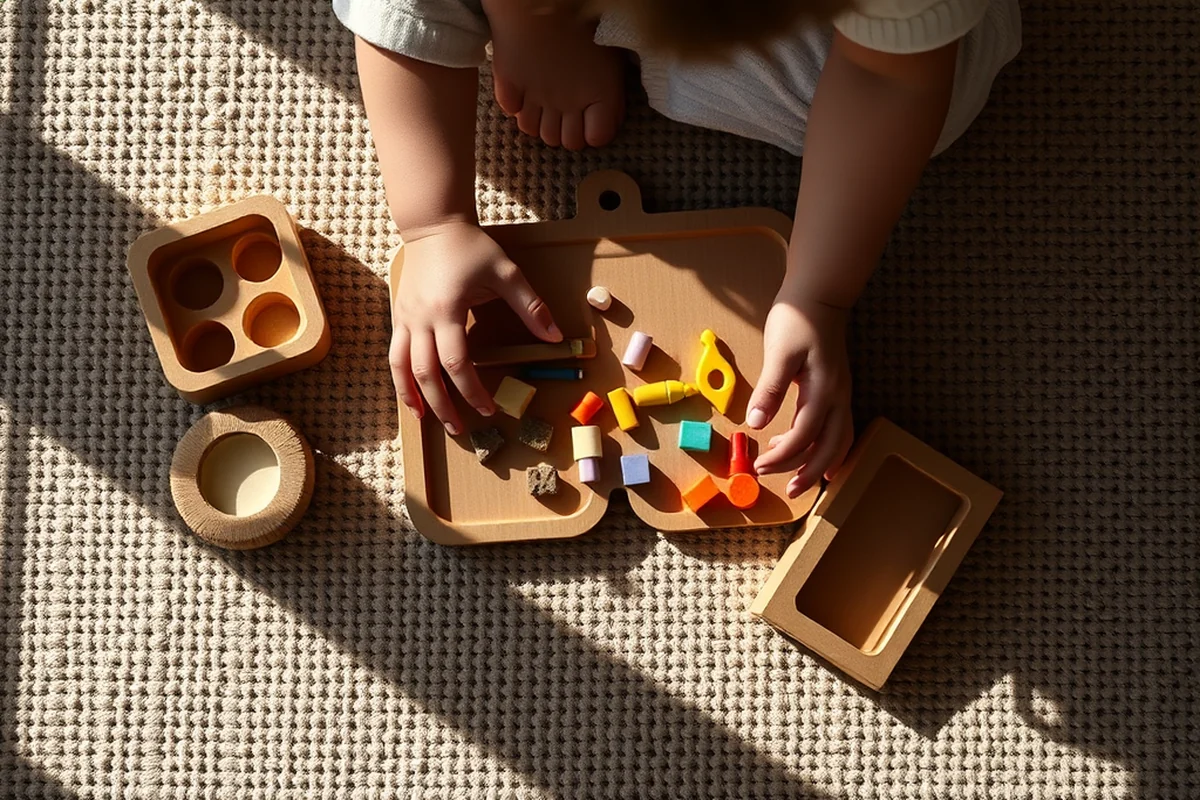
I used to think that routine meant strict, unchanging schedules. But I learned that routine is about consistency — not control. It’s about giving the child a sense of security, not making them feel like they’re on a clock.
I began to implement a daily routine that included consistent times for meals, rest, and play, but I allowed for flexibility within those times. This helped my daughter feel more secure without feeling restricted.
A flexible routine creates a sense of stability while still allowing for the natural flow of a child’s day. It’s a balance that makes the Montessori approach both structured and free.
Related: Budget montessori at home routines schedules
Not Involving the Child in the Process
I used to create schedules for my daughter without involving her at all. I thought it was my job to manage the day, but I was wrong. When I started letting her choose when to do certain activities, she became more motivated and more engaged.
I noticed that she was more willing to follow the schedule when she had a say in how it was structured. This small change made a big difference in our daily interactions.
Involving a child in the scheduling process builds a sense of autonomy and responsibility. It’s a key part of the Montessori philosophy — helping children take ownership of their learning and their time.
🌿 Gentle Montessori
A slow, nurturing approach that prioritizes a child’s emotional needs and natural rhythms.
⚡ Fast-Track Montessori
A streamlined version of Montessori for busy families who still want to foster independence.
✈️ Travel/away-from-home Montessori
A portable, flexible approach that works when you're on the go but still honors Montessori principles.
👯♀️ Montessori for Multiples
A tailored approach for families with more than one child, helping each child thrive at their own pace.
🔄 Regression Reset Montessori
A way to reintroduce Montessori principles after a break or after a child has had a setback.
| The mistake | Why it happens | The fix |
|---|---|---|
| Creating a rigid, time-based schedule | Rigid schedules can frustrate children and stifle their natural curiosity and autonomy. | Use flexible time frames and allow your child to decide when to move between activities. |
| Overlooking unstructured time | Ignoring unstructured time can hinder creativity, problem-solving, and emotional development. | Set aside time each day for free play and exploration, allowing your child to lead the way. |
| Forcing a schedule that doesn’t align with the child’s natural rhythm | Ignoring a child’s natural rhythm can lead to frustration, resistance, and a lack of engagement. | Observe your child’s energy patterns and adjust your schedule around their needs, not the other way around. |
| Not involving the child in the scheduling process | Not involving the child in the scheduling process can make them feel disempowered and disengaged. | Involve your child in creating the schedule. Let them have a say in how their day is structured. |
Related: Affordable montessori at home routines schedules
Montessori At Home Schedules Mistakes To Avoid
Related: Budget montessori at home schedules
The Trap of Rigid Time Blocks
I once tried to schedule every 30 minutes of my daughter's day, from breakfast to bedtime. It felt organized, but she became increasingly frustrated and disengaged. I realized that forcing her into time blocks stripped her of the ability to explore interests and manage her own pace. Montessori emphasizes the child's independence, and rigid time blocks contradict that principle. Instead of following a clock, I began to observe her natural flow and noticed she was more engaged when she had control over her time.
When I removed strict time blocks, she began to self-regulate her activities better. I noticed that she would often spend 45 minutes on a single activity, fully immersed, rather than moving on after a set period. This not only increased her focus but also allowed her to develop a deeper connection with her work. I also saw that she was more willing to transition between activities when she felt ready, rather than being pulled away by a timer or parent intervention.
To avoid this mistake, I now use visual timers and open-ended invitations to engage her, rather than rigid schedules. I’ve found that giving her the choice to move on or stay with an activity empowers her and aligns with Montessori principles. It also reduces power struggles and increases her sense of ownership over her learning and daily life.
Neglecting the Importance of Transition Time
Failing to allocate time for transitions can lead to stress and resistance in young children.
When I first started implementing Montessori at home, I didn’t consider how much time my daughter needed to transition between activities. I noticed she often resisted moving from one task to another, which led to tantrums and frustration. I realized that without proper transition time, she didn’t have the mental space to shift gears, and it disrupted her focus and calm.
I began setting aside 5-10 minutes between activities for transitions. During this time, I would sit with her, talk about what she was doing and what was coming next. This helped her process the shift and feel more in control. I also introduced visual schedules and transition tools like songs or small rituals that made the process more predictable and less abrupt.
This change significantly reduced her resistance to moving on and improved her overall mood and cooperation. Transition time is an essential but often overlooked part of a Montessori-inspired routine. Giving children the space and support they need during transitions builds trust and fosters a smoother, more harmonious day.
Common Questions
How can I create a Montessori schedule without making it feel rigid?
What if my child resists the schedule I've created?
Can I still have a daily routine with a Montessori schedule?
How long does it take to see results from a Montessori schedule?
References
- helping children with attentional challenges in a montessori ... - ERIC (files.eric.ed.gov)
Cite this guide
Thetraylife (2026). Montessori At Home Schedules Mistakes To Avoid. https://thetraylife.com/montessori-at-home-schedules-mistakes-to-avoid/
Feel free to cite or share this guide.