
Easy Montessori at Home Stage: Simple Ideas for Everyday Learning

📖 Table of Contents
I remember the first time my daughter reached for a book that was just out of her reach — her tiny hands fumbling, her eyes locked on the cover. It was a moment that made me realize how powerful even the smallest Montessori-inspired actions can be in a child's development. I didn't know much about Montessori at the time, but I knew I wanted to create a home environment where she could explore, learn, and grow at her own pace. That's how my journey with 'easy Montessori at home stage' began — not with elaborate setups or expensive materials, but with simple, intentional choices that made learning feel natural and joyful.[2]
I didn't start with a grand plan or a Pinterest board. Instead, I began by observing my daughter — watching how she moved, what she reached for, and where she focused her attention. It wasn't long before I realized that Montessori principles could be woven into everyday moments without any effort. The key was to create an environment that invited exploration and independence. That's when I started using low shelves, placing items within reach, and allowing her to choose what she wanted to do. These small changes, over time, made a huge difference in her confidence and curiosity.[3]
Now, when I say 'easy Montessori at home stage,' I'm not talking about a complicated curriculum or a strict schedule. It's about creating a space that supports a child's natural curiosity and gives them the freedom to learn through hands-on experiences. It's about the way I set up the kitchen table, the way I let my daughter help with simple tasks, and the way I listen when she talks about her day. 'Easy Montessori at home stage' is about making learning a part of everyday life — not a separate activity to be scheduled or forced.[4]
Why You'll Love This Approach
- Creates a calm, focused learning environment for your child
- Encourages independence and self-directed learning
- Requires minimal time and effort to set up
- Fosters confidence and curiosity from an early age
Start With a Simple Layout
As of November 2026, I started by rearranging the living room to make it more accessible. I bought a low shelf and filled it with items that my daughter could reach — blocks, books, and a small watering can for her plants. This simple change made a huge difference. She began to explore these items on her own, and it gave her a sense of control and independence.
I also made sure to keep the space uncluttered. I used baskets and trays to group similar items together. This helped her learn how to organize and categorize things, which is an important part of Montessori learning. I noticed that she was more focused and less distracted when the space was clean and tidy.
One of the most important things I did was to make everything accessible. I removed all the safety locks from the cabinets and placed simple items like spoons and cups within her reach. This not only made her feel more capable but also helped her develop fine motor skills as she learned to handle small objects.
Use soft lighting and natural materials like wood and fabric to create a calm, child-friendly environment. Avoid bright, flashy decorations that can overwhelm a child.
Part of our Montessori at home by age stage guide.
Involve Your Child in Daily Routines

I began to involve my daughter in simple chores like setting the table, folding laundry, and helping with the dishes. Even though she was only 18 months old, she could carry a small tray with plates and help me put them on the table. These moments taught her about responsibility and gave her a sense of purpose.[1]
I noticed that she was more engaged and happy when she was doing something that felt important. She would proudly show me the way she arranged the plates or how she sorted her toys. It was a small thing, but it made a big impact on her self-esteem and confidence.
I also started to let her help with simple cooking tasks, like stirring batter or adding ingredients to a bowl. This not only made her feel like a part of the process but also helped her learn about measurements and sequencing. It was a fun way to teach her about life skills while keeping the activity simple and safe.
Let your child help with small, meaningful tasks — it builds confidence and teaches important life skills.
Related: Montessori at home stage on a budget
Create a Language-Rich Environment
I started speaking more openly with my daughter — describing what I was doing, naming objects, and asking simple questions. I noticed that she began to use more words and was more expressive. I would say things like, 'We're going to make a sandwich,' or 'Look, that's a red block,' and she would repeat the words back to me.
I also started reading to her every day, even if it was just for a few minutes. I would point to the pictures and talk about the colors and shapes. This helped her develop her vocabulary and her ability to focus. I saw a noticeable improvement in her language skills over just a few weeks.
One of the most effective things I did was to label everything in our home. We put labels on the shelves, on the toys, and even on the bathroom sink. This helped her learn to read and recognize words, and it also made her feel more in control of her environment.
Talk about what you're doing and what you see. This helps your child understand the world around them and expand their vocabulary.
“I remember the first time my daughter reached for a book that was just out of her reach — her tiny hands fumbling, her eyes…”— Thetraylife editors
Related: Montessori at home by age stage on a budget
Encourage Exploration and Problem-Solving
I made sure to leave things a little out of reach so that my daughter could figure out how to get them. This helped her develop problem-solving skills and gave her a sense of accomplishment. I would watch from a distance and let her work it out on her own.
I also provided her with a variety of materials that encouraged exploration, like wooden puzzles, stacking rings, and sensory bins. These activities helped her learn about shapes, textures, and colors, and they kept her engaged for long periods of time.
One of the most rewarding things was to see her figure out how to use a new tool. Whether it was a small watering can or a simple puzzle, the look on her face when she solved the problem was priceless. It showed me that learning through exploration is one of the most effective ways to teach a child.
Related: Simple montessori at home stage
Use Natural Materials and Real Tools
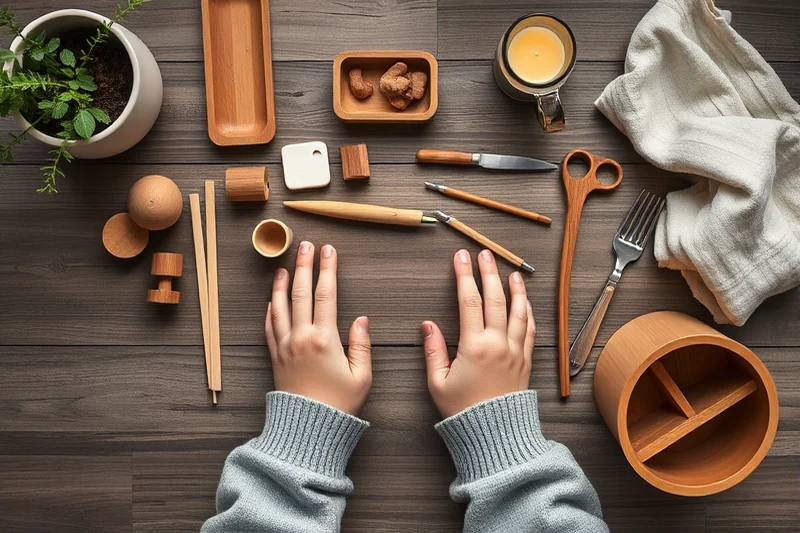
I started using wooden utensils, real plates and cups, and natural materials like cloth and wood in our home. These items are more durable and safer for young children, and they also help them develop a deeper connection to their environment.
I noticed that my daughter was more interested in the wooden blocks and spoons than in the plastic ones. They felt more real, and she was more likely to use them in creative ways. This helped her develop her imagination and her fine motor skills at the same time.
One of the most important things I did was to replace all our plastic toys with natural alternatives. This made a huge difference in the way she interacted with her environment. She was more focused and more engaged, and she seemed to have a greater appreciation for the things around her.
Related: Montessori at home stage ideas
Keep It Simple and Consistent
I made a point to keep our home environment as simple and consistent as possible. We had the same routine every day, and we kept the same items in the same places. This helped my daughter feel more secure and confident in her surroundings.
I noticed that she was more focused and more engaged when the environment was predictable. She knew where to find her toys, and she knew what to expect from each day. This helped her develop a sense of order and structure, which is an important part of Montessori learning.
I also made sure to keep our routines consistent. We had the same time for meals, play, and rest, and we followed the same process each day. This helped my daughter feel more in control and gave her a sense of security and stability.
Consistency is key in Montessori learning — keep your environment and routines simple and predictable.
Related: How to montessori at home stage
Let Your Child Lead the Way
I made a point to follow my daughter's lead and let her choose what she wanted to do. Whether she was interested in blocks, books, or playing in the sandbox, I let her explore at her own pace. This helped her develop a love of learning and a sense of curiosity.
I noticed that she was more engaged and more focused when she was doing something that interested her. She would spend hours on a single activity, and she would often come up with her own ideas and solutions. This gave her a sense of accomplishment and helped her develop her creativity.
One of the most important things I did was to let her make her own choices. Whether it was what she wanted to eat or what she wanted to wear, I gave her the freedom to decide. This helped her develop a sense of independence and self-confidence, which are essential for a child's development.
🧘 Gentle Approach
For parents who prefer a slow, gentle introduction to Montessori. Focus on observation and small, natural changes in the home environment.
🚀 Fast-Track Approach
Ideal for busy parents who want to start Montessori at home quickly. Focus on creating a simple, organized space with minimal setup time.
✈️ Travel/away-from-home Approach
Perfect for families who are on the go. Use portable Montessori tools and focus on activities that can be done anywhere.
👶 Multiples Approach
Tailored for parents with more than one child. Focus on creating an environment that supports all children and encourages collaboration and learning.
🔄 Regression Reset Approach
Designed for parents who are navigating a developmental regression. Focus on creating a calm, predictable environment that supports learning and growth.
| The mistake | Why it happens | The fix |
|---|---|---|
| Trying to make everything perfect | A perfectly organized space can feel overwhelming and unnatural for a child. It can also create pressure and stress for the parent. | Embrace the mess and focus on creating a calm, inviting environment that supports learning and exploration. |
| Forcing your child to learn | Montessori learning is all about allowing your child to explore at their own pace. Forcing them can create resistance and reduce their motivation to learn. | Let your child lead the way and follow their interests. Encourage them to explore and discover things on their own. |
| Ignoring the importance of consistency | Consistency is essential in Montessori learning. Without it, your child may feel confused and insecure in their environment. | Keep your environment and routines simple and predictable. This helps your child feel secure and confident in their surroundings. |
| Overloading your child with too many activities | Too many activities can overwhelm your child and make it difficult for them to focus on any one task. | Focus on a few simple, meaningful activities that support your child's development. Quality is more important than quantity. |
Easy Montessori At Home Stage
Common Questions
How can I incorporate Montessori principles without buying expensive materials?
What are some simple Montessori activities I can do with my child every day?
How can I keep my child's environment consistent and predictable?
What are the benefits of using natural materials in Montessori learning?
References
- Lifetime Montessori: Self-Development Through the Stages Beyond ... (academia.edu)
- Montessori Education: What Is Its Relationship with the Emerging ... (digitalcommons.ciis.edu)
- Benefits of Using the Montessori Method to Teach Literacy to TK-2 (digitalcommons.csumb.edu)
- Invisible Instruction: Exploring the Life and Work of Maria Montessori ... (docs.rwu.edu)
Cite this guide
Thetraylife (2026). Easy Montessori at Home Stage: Simple Ideas for Everyday Learning. https://thetraylife.com/easy-montessori-at-home-stage/
Feel free to cite or share this guide.
Montessori Tray Idea Generator
Age-filtered Montessori tray ideas from household items.
Open it free →