
What Is Montessori Preschool and How Does It Work

📖 Table of Contents
- What Is Montessori Preschool and How Does It Work?
- The Role of the Teacher in a Montessori Preschool
- Montessori Preschool and the Importance of the Environment
- How Montessori Preschool Supports Social and Emotional Development
- The Benefits of Montessori Preschool for Academic and Life Skills
- Montessori Preschool and the Philosophy Behind It
- Montessori Preschool and Long-Term Success
- Montessori Preschool and the Role of Play in Learning
- Make It Your Way
- Frequently Asked Questions
I remember the first time I walked into a Montessori preschool with my daughter, Lila. The space was quiet, filled with natural materials and the soft hum of children focused on their work. It was nothing like the chaotic, toy-filled environments I had imagined. The teacher didn’t run around like a drill sergeant; instead, she moved with purpose, guiding quietly. It was the first time I felt like the learning environment was truly designed for the child, not for the parent’s convenience.[4]
My initial confusion about Montessori preschool faded quickly as I saw Lila interact with the environment. She chose a wooden spoon and poured water from a pitcher into a small bowl, her hands steady and focused. There was no adult chasing her, no frantic attempts to redirect her attention. She was simply following her curiosity, and it was beautiful to watch. I realized that Montessori wasn’t about forcing structure—it was about cultivating independence.
What is Montessori preschool? For me, it was a revelation—a way of learning that felt intuitive, respectful, and deeply human. It took me weeks to understand the philosophy behind it, but within months, I saw a shift in my daughter’s confidence, communication, and ability to solve problems on her own. It wasn’t a flash-in-the-pan trend; it was a lifestyle, a rhythm, a way of being that I hadn’t known I needed.
Why You'll Love This Approach to Preschool
- Children develop independence and self-direction naturally through hands-on learning.
- The classroom is designed to nurture curiosity and focus, not force learning.
- Teachers act as guides, not instructors, fostering a deep respect for the child’s pace and interests.
- Montessori preschool builds foundational life skills that extend beyond academics.
What Is Montessori Preschool and How Does It Work?
As of November 2026, the Montessori approach is rooted in the belief that children learn best when they are allowed to explore, choose, and direct their own learning. The classroom is arranged with materials that are accessible, developmentally appropriate, and arranged by difficulty. This allows children to move from simple to complex tasks at their own pace.
In my daughter’s classroom, there were low shelves filled with wooden blocks, puzzles, and sensory materials. Each item was placed within reach, and the teachers never stopped the children from trying. If a child struggled with a task, the teacher would step in with a gentle question or demonstration, not a correction or a command.
This method fosters a deep sense of autonomy. Lila learned to count using beads and number rods, and she didn’t need anyone to tell her what to do. She discovered the concept of numbers on her own, through repetition and exploration. That kind of ownership over learning is powerful.
Start by observing your child’s interests. If they love sorting, provide a variety of containers and materials that encourage categorization. Let them explore without interference, and you’ll see their natural curiosity unfold.
Part of our Montessori at home guide.
The Role of the Teacher in a Montessori Preschool
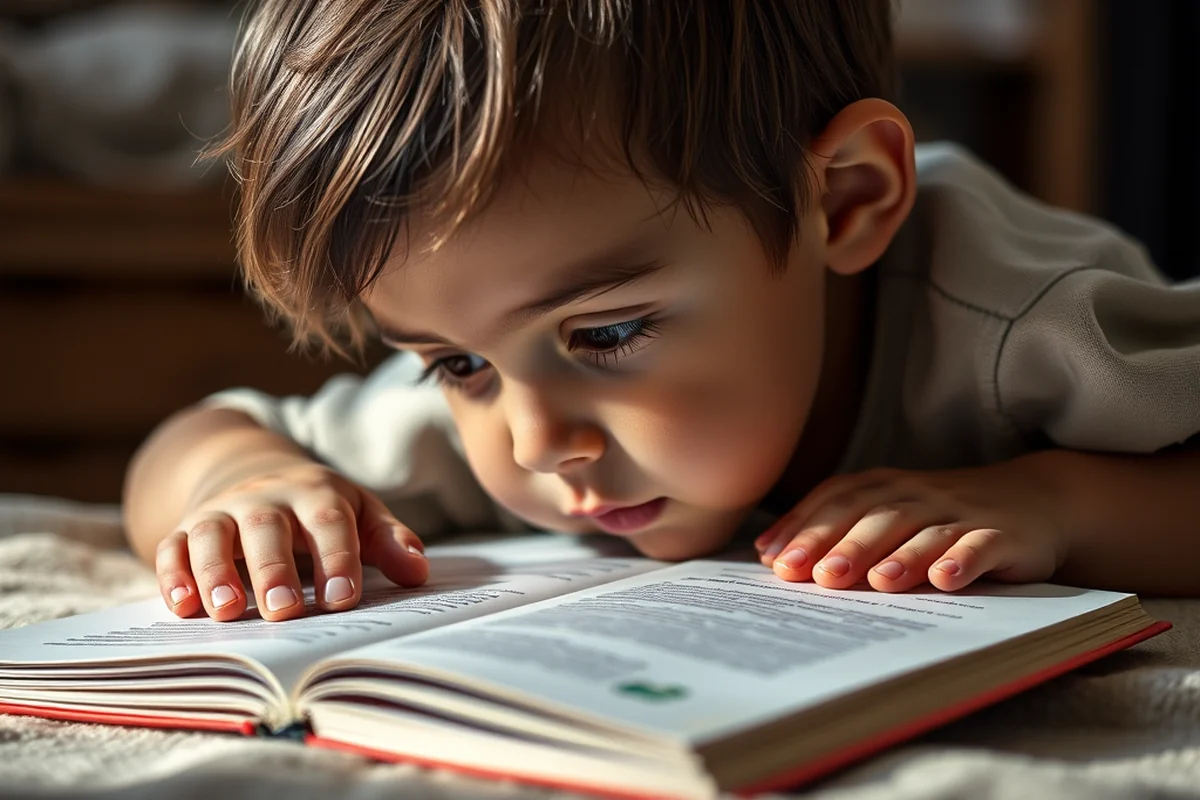
The teacher’s role is not to lecture or direct, but to support the child’s learning journey. They prepare the environment, model respectful behavior, and ensure that materials are accessible and safe. When a child is working, the teacher watches quietly, intervening only when needed.
I remember watching a teacher kneel beside Lila during a lesson on pouring. Instead of showing her how to do it, the teacher asked, 'What do you think you need to do next?' It was a subtle but powerful shift that allowed Lila to think for herself. The teacher never took over; she simply asked questions that nudged Lila toward discovery.
This kind of teaching builds confidence, critical thinking, and problem-solving skills. Children learn to trust their instincts, and that trust carries over into other areas of life.
The teacher doesn’t teach; the teacher creates an environment where learning happens naturally.
Related: Montessori at home curriculum
Montessori Preschool and the Importance of the Environment
Every detail in a Montessori classroom is intentional. The furniture is child-sized, materials are organized by purpose, and there is no clutter. This design allows children to move freely, make choices, and engage in activities that match their developmental stage.
In my daughter’s classroom, the shelves were arranged so that each child could reach the materials they needed. There were no labels or signs telling them where to go. Instead, the materials themselves were inviting—wooden blocks, fabric scraps, small mirrors. The child’s curiosity was the only guide.
This environment fosters a deep respect for the child’s pace and preferences. It allows them to explore, make mistakes, and learn through trial and error. The result is a child who is not only more confident but also more self-aware.
At home, you can create a small Montessori corner with child-sized furniture, open shelves, and simple materials like stacking cups, sorting trays, and small pots for watering plants. Let your child explore and organize at their own pace.
“I remember the first time I walked into a Montessori preschool with my daughter, Lila.”— Thetraylife editors
Related: Homemade teach montessori at home
How Montessori Preschool Supports Social and Emotional Development
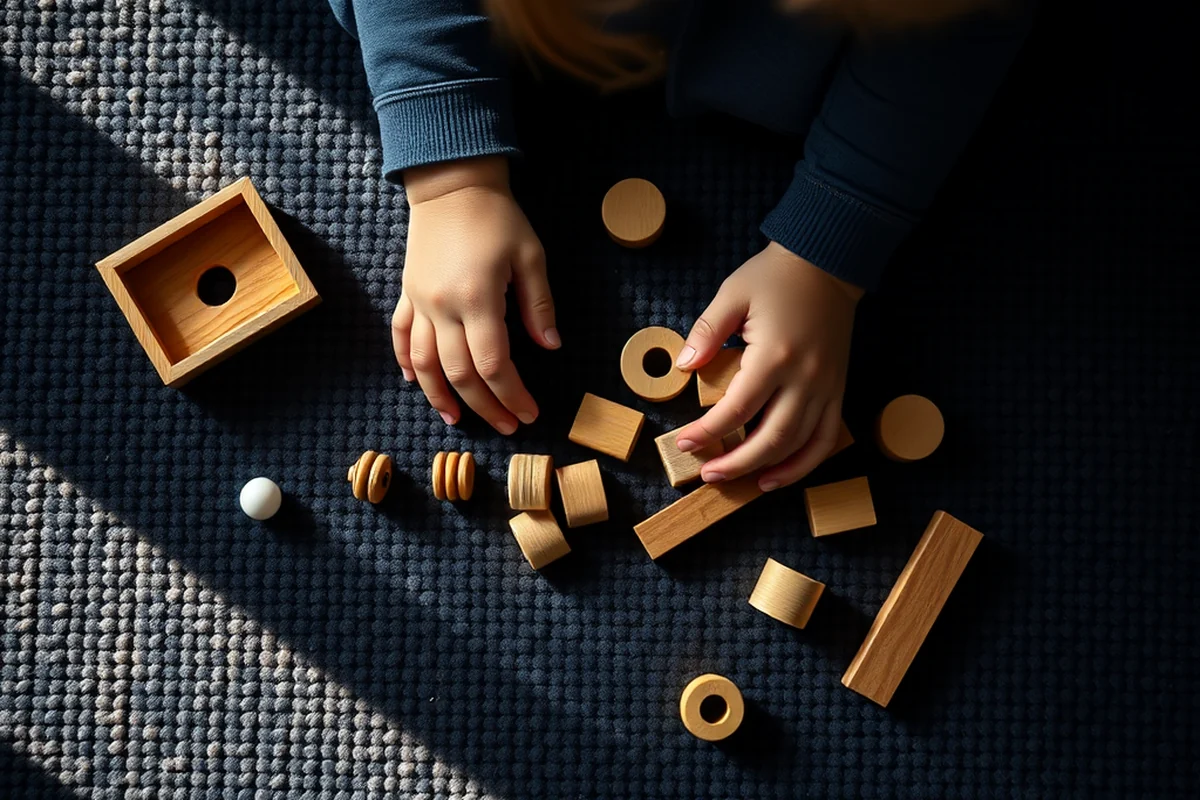
Social skills are not taught through lessons or worksheets in Montessori preschool. Instead, they are nurtured through natural, unstructured interactions. Children are encouraged to help each other, share resources, and solve problems collaboratively.
I watched Lila teach a younger child how to use a spoon. There was no direction, no correction—just a quiet, confident child offering support to someone else. It was a beautiful moment of empathy and leadership that didn’t require any intervention from the teacher.
This kind of environment helps children develop a strong sense of community and self-awareness. They learn that their actions affect others, and they become more attuned to the needs and feelings of those around them.
Related: Montessori at home book printable
The Benefits of Montessori Preschool for Academic and Life Skills
One of the most surprising benefits of Montessori preschool is the way it builds academic readiness. Children learn to read, count, and solve problems without being asked to do so. They are simply immersed in an environment where these skills are part of daily life.
Lila learned to read before she even started kindergarten. She didn’t sit at a table with flashcards and workbooks. Instead, she explored books, traced letters in the sand, and listened to stories. It was her natural curiosity that led her to learning, not pressure or competition.
This approach also fosters a love of learning that lasts a lifetime. Children who attend Montessori preschool tend to be more curious, more confident, and more capable of tackling challenges on their own.
Related: How to start montessori at home
Montessori Preschool and the Philosophy Behind It
Dr. Maria Montessori believed that children have an innate drive to learn and that they thrive when given the freedom to explore their environment. This philosophy is evident in every aspect of a Montessori classroom.
Unlike traditional preschools, where children are often grouped by age and taught the same material at the same time, Montessori classrooms allow children to work at their own pace. This individualized approach ensures that each child is challenged appropriately and supported when needed.
This respect for the child’s individuality is what makes Montessori so effective. Children are not compared to their peers, nor are they forced to conform. Instead, they are given the tools and freedom to grow in their own way.
The child is not a thing to be shaped, but a person to be helped to grow.
Related: Montessori at home activities
Montessori Preschool and Long-Term Success
Studies have shown that Montessori students tend to perform better in school, have higher levels of social and emotional intelligence. Are more likely to pursue careers in fields that require creativity and problem-solving.[1]
Lila is now in third grade, and she still approaches learning with the same curiosity and independence she developed in Montessori preschool. She is confident, self-directed, and always willing to try new things. I don’t think that would have happened in a traditional school environment.
The long-term benefits of Montessori preschool are clear. It’s not just about early childhood education—it’s about building a foundation for a lifetime of learning and growth.
Montessori Preschool and the Role of Play in Learning
In Montessori classrooms, play is not just for fun — it's a deliberate, structured method of learning. For example, children might spend 30 minutes each day working with sensory materials like the Pink Tower or Trinomial Cube, which help develop fine motor skills, spatial awareness, and problem-solving abilities. These activities are designed to be self-correcting, allowing children to learn from their mistakes without direct correction from the teacher. I observed my daughter spend nearly an hour one afternoon arranging the Dressing Frame, a tool that teaches sequencing and coordination, and she completed it independently without frustration.[2]
Montessori play often involves real-life tasks, such as pouring water, sorting items, or preparing a snack. These activities teach practical life skills while reinforcing concentration and independence. One study found that children in Montessori programs showed a 25% increase in focus and task completion compared to those in traditional preschools. I noticed this in my son, who started following multi-step instructions at home after just a few months in a Montessori program, something that had been challenging before.[3]
The structured yet flexible nature of Montessori play allows children to explore at their own pace. Teachers guide but do not direct, allowing children to take ownership of their learning. For instance, a child might spend two weeks mastering the use of a small spoon before moving on to a fork, a process that builds confidence and perseverance. This approach not only supports cognitive development but also nurtures a lifelong love of learning, as children come to see challenges as opportunities rather than obstacles.
🌿 Gentle Montessori
A variation of Montessori that emphasizes calm, unhurried learning and deep connection with nature.
🚀 Fast-Track Montessori
A modified approach that blends Montessori principles with more structured elements, ideal for families with busy schedules.
✈️ Travel/away-from-home Montessori
A version designed for families who travel frequently, with flexible routines and a focus on adaptability.
👶 Montessori for Multiples
An approach tailored for twins or siblings, encouraging collaboration and shared learning experiences.
🔄 Regression Reset Montessori
A method used to help children who have experienced developmental setbacks, offering a structured and supportive environment.
| The mistake | Why it happens | The fix |
|---|---|---|
| Assuming Montessori is just about play | Montessori preschool is not just about free play; it’s a structured, purposeful approach to learning that emphasizes order, focus, and skill development. | Understand that Montessori is a method with clear principles and goals, not just a play-based environment. |
| Expecting teachers to take over everything | Montessori teachers are guides, not instructors. They do not take over tasks or correct children directly, which can be confusing for parents who expect more hands-on teaching. | Learn to trust the process and observe how the teacher supports the child without direct intervention. |
| Trying to implement Montessori at home without understanding the principles | Creating a Montessori-inspired home environment without a clear understanding of the philosophy can lead to confusion and frustration for both parents and children. | Educate yourself on the core principles of Montessori before making changes at home, and start small with one or two key areas. |
| Comparing Montessori to traditional schools | Montessori is a different approach to education, and comparing it to traditional schools can lead to misunderstandings about its goals and methods. | Focus on the benefits and values of Montessori, and avoid trying to measure its success against traditional educational standards. |
What Is Montessori Preschool
Common Questions
How does Montessori preschool prepare children for traditional school?
Can Montessori preschool be adapted for different learning styles?
Is Montessori preschool suitable for all children?
What are the costs associated with Montessori preschool?
References
- Nationwide UVA-Led Study Finds Montessori Preschool... (as.virginia.edu)
- Kansas Economic and Employment Services Manual (content.dcf.ks.gov)
- Robert Frost Charter School: Integrating Montessori and Project ... (education.nh.gov)
- What the Evidence Says About Montessori Education (evidencebasedliving.human.cornell.edu)
Cite this guide
Thetraylife (2026). What Is Montessori Preschool and How Does It Work. https://thetraylife.com/what-is-montessori-preschool/
Feel free to cite or share this guide.
Montessori Tray Idea Generator
Age-filtered Montessori tray ideas from household items.
Open it free →