
Montessori At Home Stage Step By Step
📖 Table of Contents
When my daughter turned two, the chaos of toddler life began in earnest. She was suddenly everywhere at once — climbing the couch, knocking over cups, demanding attention with a voice that echoed through the house. I remember one afternoon, sitting on the floor, watching her stack blocks and knock them down with equal glee, and thinking, 'This is it. This is the mess, the mayhem, the joy of early childhood.' I didn’t know it then, but that moment would be the start of our journey into Montessori at home stage by stage. It was a shift, subtle at first, but one that would change how we moved, played, and even spoke in our home.
I had heard the term 'Montessori' before, usually in the context of expensive preschools and neatly arranged classrooms. But the idea of bringing that philosophy into our home struck me as both daunting and exciting. How could I possibly replicate the structure, the freedom, and the purpose of a Montessori environment in the chaos of our living room? I began reading, watching videos, and most importantly, observing my daughter. What I found was a child who was not only curious but capable, and who thrived in a space that allowed her to explore, choose, and move — all while being safe and supported.
The transformation didn’t happen overnight. It wasn’t about buying a bunch of fancy shelves or hiring a consultant. Instead, it was about small, deliberate steps — rearranging furniture to make space for her, giving her access to real tools and materials, and trusting her to make decisions. By the time she was three, the changes were visible: she was more independent, more focused, and more confident. Montessori at home stage by stage was not a magic fix — but it was a map that guided us through a new way of parenting that felt both respectful and rewarding.
Why You'll Love This Montessori At Home Journey
- You’ll notice your child becoming more independent and self-directed.
- Your home will transform into a space that supports learning and exploration.
- You’ll feel more connected to your child through intentional, meaningful interactions.
- You’ll gain confidence in your parenting style and your child’s development.
The First Shift: From Chaos to Structure
As of October 2026, the first shift in our Montessori journey was about creating a space that felt safe, accessible, and purposeful. This meant decluttering, but not just for aesthetics — it was about allowing our daughter to see and reach for the things she needed. We started by lowering shelves, removing dangerous items, and placing everyday tools within her reach. It was a subtle change, but one that immediately shifted the energy in our home from chaos to calm.
I remember how proud I was when she fetched a glass of water on her own. It was a small moment, but it was the first time I saw her take ownership of a task. The key was to let her make the choice — not to direct her, not to correct her, but to simply observe and support. That shift didn’t happen in one day, but within three days, we could see the difference.
The first shift is not about perfection. It’s about creating a space where your child can move, explore, and learn — all while feeling supported and empowered.
Place items on low shelves or tables. Let your child choose what to use, even if it means a little mess — it’s part of the learning process.
Part of our Montessori at home by age stage guide.
The Power of Choice and Freedom
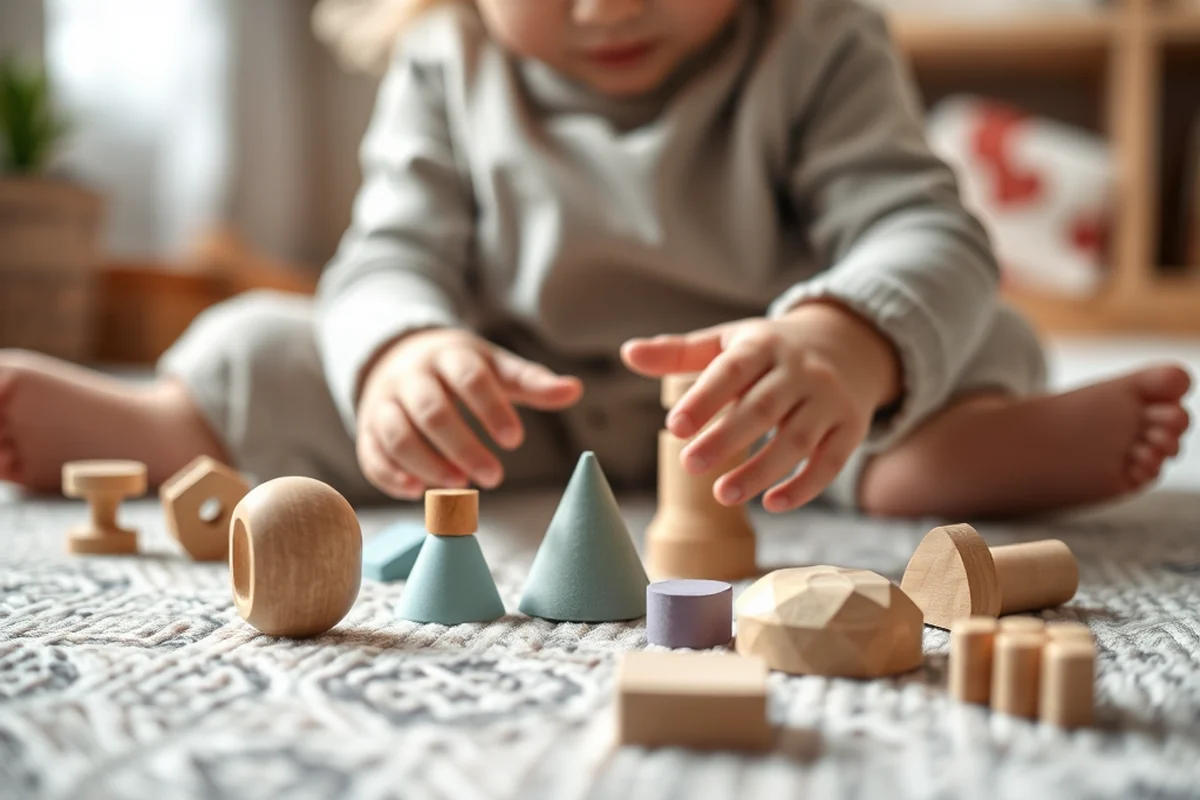
Choice is not just about letting your child pick a snack or a toy — it's about giving them the power to make decisions that matter. In the first few weeks of our journey, we created a small, dedicated area with real-life items: a small broom, a watering can, and a set of wooden clothespins. These items were not just decorative; they were practical tools that allowed her to contribute to her environment.
The first time she used the broom to sweep up a few scattered blocks, I felt a shift in our dynamic. It wasn’t just about the broom — it was about the sense of responsibility and purpose she began to feel. We started offering her choices daily, from what to wear to what to play with, and each time, she became more confident and self-directed.
The power of choice is profound. It’s not about giving your child everything they want — it's about giving them the freedom to make decisions that align with their interests and abilities.
Choice is the first step toward independence.
Related: How to montessori at home stage
Creating a Prepared Environment
Creating a prepared environment means more than just making your home look neat — it means designing a space that invites your child to explore, move, and learn. We began by grouping items by function: all the kitchen tools in one area, the art supplies in another, and the books in a quiet corner. This helped our daughter understand the purpose of each space and the items within it.
We also removed anything that was too complex or unsafe. Our toddler needed tools that were appropriate for her size and ability — things like large buttons, real pots and pans, and wooden spoons. These items became part of her daily life, and she began to treat them with care and respect.
The prepared environment is not about perfection, but about intention. It’s about making your home a place where your child can grow, explore, and thrive.
Arrange your home so that each area has a purpose. Keep tools and materials within reach, and avoid overcomplicating the space — simplicity is key.
“When my daughter turned two, the chaos of toddler life began in earnest.”— Thetraylife editors
Related: Montessori at home stage mistakes to avoid
Introducing Practical Life Skills
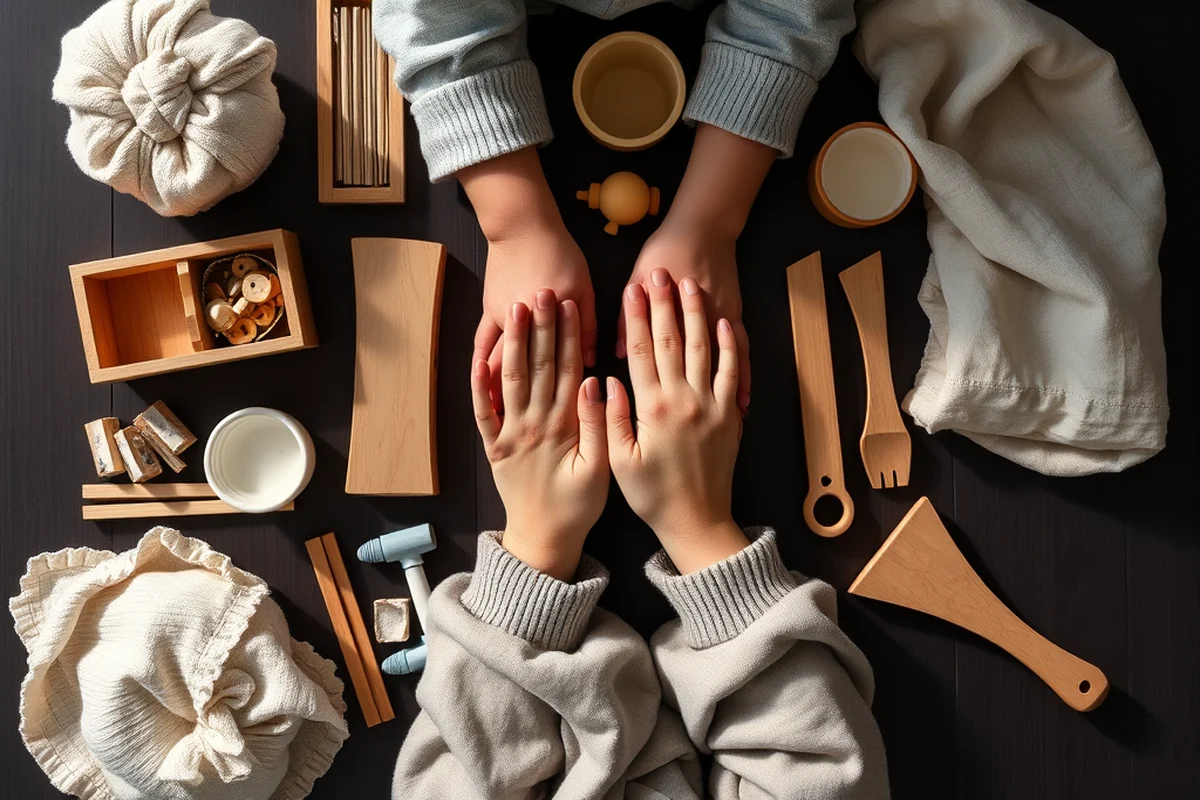
One of the most transformative parts of our Montessori journey was introducing practical life skills. These are the everyday tasks that help your child develop independence, coordination, and confidence — things like pouring water, buttoning clothes, and using a spoon. We began with simple tasks and gradually introduced more complex ones as our daughter grew.
We made a point to practice these skills every day, even if it meant spending 10 minutes on a single task. The key was to be patient, to praise her efforts, and to allow her to make mistakes. We also made sure to model the skills ourselves, showing her how to do things the right way — not by correcting her, but by letting her observe and learn.[1]
Practical life skills are not just about learning how to do things — they’re about building a foundation of independence and self-efficacy that will last a lifetime.
Related: Montessori at home stage tips
The Role of the Parent in Montessori at Home
As a parent, the shift in our Montessori journey was about learning to be a guide rather than a director. Instead of telling our daughter what to do, we started observing and offering choices. We also made a point to stay out of the way, allowing her to explore, make mistakes, and learn from them. This was not always easy — it required a lot of patience and trust in her abilities.
We learned to watch without interfering, to praise without overstepping, and to support without taking over. This shift in our parenting style was one of the most profound changes in our journey, and it had a lasting impact on both our daughter and our relationship with her.
The role of the parent in Montessori at home is not about control — it’s about presence, support, and trust.
🌱 Gentle Montessori
A slow, organic approach to Montessori at home, focusing on observation and gradual change.
🚀 Fast-Track Montessori
A structured, accelerated way to implement Montessori principles in your home, ideal for busy families.
🧳 Montessori on the Go
Tailored for families with a mobile lifestyle, offering tips for Montessori at home while traveling or away from home.
👶 Montessori for Multiples
A guide to implementing Montessori at home for twins or multiples, focusing on individualized learning and shared spaces.
🔄 Montessori Reset
A way to re-engage with Montessori at home after a period of disconnection, helping parents and children reconnect with the philosophy.
| The mistake | Why it happens | The fix |
|---|---|---|
| Overloading the space with too many items | Too many items can overwhelm your child and make it difficult for them to focus and learn. | Keep the space simple and purposeful. Only provide items that are appropriate for your child’s age and ability. |
| Trying to control everything your child does | This can stifle your child’s independence and creativity, and lead to frustration. | Let your child make choices and explore on their own. Offer guidance, but avoid taking over. |
| Not adapting the environment to your child’s needs | A one-size-fits-all approach may not work for your child’s unique development and interests. | Tailor your environment to your child’s abilities and interests. Observe them closely and make adjustments as needed. |
| Being too rigid or inflexible in your approach | Montessori at home is about flexibility and adaptability. A rigid approach can limit your child’s growth and your own ability to adjust. | Stay open-minded and be willing to change your approach as your child grows and develops. |
Related: Montessori at home by age stage step by step
Montessori At Home Stage Step By Step
Related: Montessori at home by age stage examples
Common Questions
How can I start Montessori at home if I’m new to the philosophy?
What are some practical life skills I can teach my child at home?
How can I create a prepared environment in my home?
What is the role of the parent in Montessori at home?
References
- Robert Frost Charter School: Integrating Montessori and Project ... (education.nh.gov)
Cite this guide
Thetraylife (2026). Montessori At Home Stage Step By Step. https://thetraylife.com/montessori-at-home-stage-step-by-step/
Feel free to cite or share this guide.