
Montessori At Home Budget Ideas Guide
📖 Table of Contents
When my daughter turned three, I realized that the Montessori principles I'd read about online weren't just a trend — they were a lifestyle. I wanted her to learn through exploration and independence, but I quickly discovered that creating a Montessori-inspired home could be expensive. That's when I started researching, testing, and adapting ideas to fit our budget. What I found worked was not about buying everything new, but about curating, repurposing, and making the most of what we already had.
One of the biggest surprises was how much of a Montessori environment could be built with simple items we had at home. A kitchen rack for pots and pans became a perfect shelf for small household tools, and a low table turned into a space for her to practice pouring water and sorting objects. These small, intentional changes didn't just save us money — they gave my daughter a sense of ownership over her learning environment.
This article is the culmination of months of trial and error, and it's written for parents who want to embrace Montessori principles without breaking the bank. Whether you're on a tight budget, a stay-at-home parent, or someone who's new to Montessori, the 'Montessori at Home Budget Ideas Guide' will show you how to transform your home into a space that nurtures curiosity, independence. Development — all while keeping your finances in check.
Why You'll Love This Montessori at Home Budget Ideas Guide
- You'll learn how to create a Montessori environment with items you already own.
- You'll discover affordable, DIY solutions that save both money and time.
- You'll gain a deeper understanding of how Montessori principles support child development.
- You'll be equipped with practical, actionable ideas that fit any budget.
What Is Montessori at Home and How Does It Work?
As of September 2026, Montessori education is rooted in the idea that children learn best when they are allowed to explore and make choices in their own time. At home, this means setting up spaces that are accessible, engaging, and designed for your child's developmental stage.
For example, I rearranged our living room so that my daughter could easily reach shelves with books, puzzles, and small kitchen tools. This simple change made her feel more in control of her learning and encouraged her to spend more time exploring on her own.
One of the key principles of Montessori at home is that the environment should be prepared for the child, not the other way around. This means taking time to observe what interests your child and making thoughtful, intentional changes that support their learning.
Take time to watch your child play. What do they gravitate toward? What frustrates them? Use these observations to guide your Montessori home setup.
How to Start a Montessori Home on a Budget
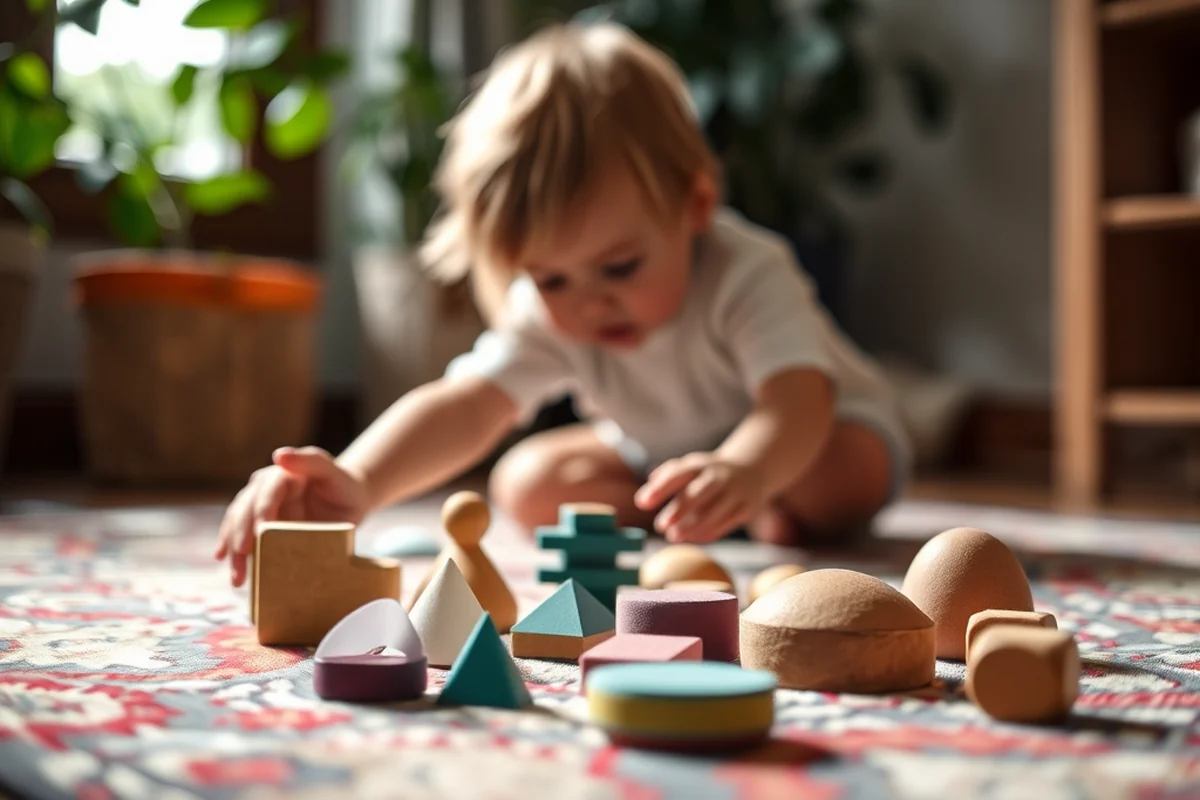
The first step is to identify the key areas of development you want to support — things like fine motor skills, language, and independence. Once you know what areas are most important, you can start creating a space that supports those goals without spending a lot of money.
For example, I used a low table and a few baskets to create a sorting and matching station. This space helped my daughter develop her fine motor skills and color recognition, all for less than $20. Another idea was to use old pots and pans to create a pretend kitchen, which helped her learn about real-life tasks and responsibilities.[1]
By focusing on what's most important, you can avoid the temptation to buy everything at once. Start small, and let your child's interests guide you as you build your Montessori home over time.
Start small, and let your child's interests guide you.
Related: Best montessori at home ideas
Related: Montessori At Home Budget Ideas Ideas
DIY Montessori Materials You Can Make at Home
I found that making my own Montessori materials not only saved money but also gave me a chance to be more involved in my daughter's learning. For example, I used cardboard to create letter tiles, which helped her learn the alphabet in a hands-on way.
Another idea was to use fabric scraps and Velcro to make a matching game, which helped her develop her concentration and attention to detail. These materials were simple to make and had a lasting impact on her learning.
By making your own materials, you can tailor them to your child's specific needs and interests. This also makes it easier to store and organize your Montessori setup without cluttering your home.
Look around your home for items that can be repurposed into Montessori materials. Old containers, fabric scraps, and even paper can be transformed into valuable learning tools.
“When my daughter turned three, I realized that the Montessori principles I'd read about online weren't just a trend — they were a lifestyle.”— Thetraylife editors
Related: Montessori at home budget for beginners
How to Involve Your Child in the Montessori Setup
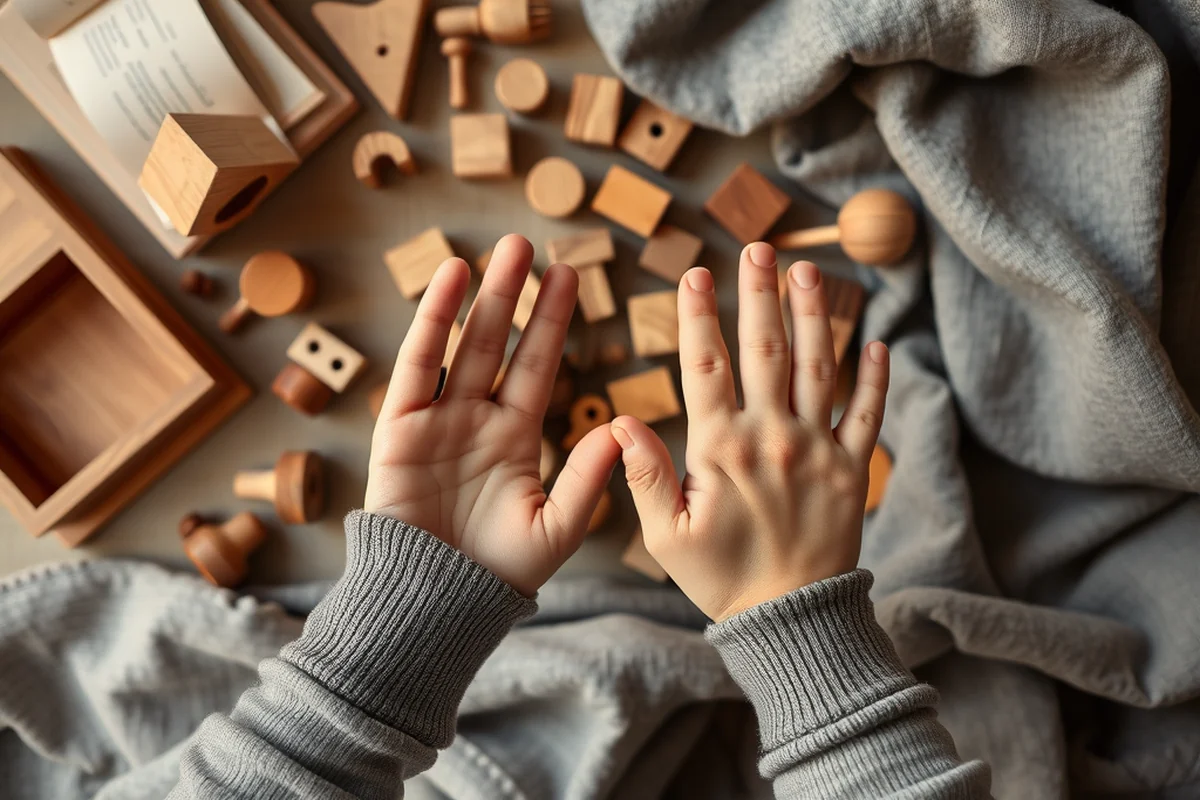
I found that involving my daughter in the setup of her Montessori space helped her feel more connected to her learning. She loved picking out the colors of the shelves and helping me arrange her books and toys in order.
Another way I involved her was by letting her choose where to place her Montessori materials. This simple act helped her develop her decision-making skills and gave her a sense of responsibility over her learning space.
By involving your child in the process, you're helping them understand the importance of organization and independence — both of which are key components of a Montessori environment.
Related: Montessori at home budget ideas printable
Tips for Maintaining a Montessori Home on a Budget
One of the biggest challenges I faced was keeping my Montessori home organized and functional without spending a lot of money. I found that using baskets, labels, and simple storage solutions helped keep everything in place without cluttering the space.
I also made it a point to regularly rotate materials based on my daughter's interests. This helped keep her engaged and ensured that the environment remained dynamic and stimulating.
By staying focused on the core principles of Montessori and using your existing resources, you can maintain a rich and supportive learning environment without breaking the bank.
🌿 Gentle Montessori
A slow, nurturing approach that focuses on observation and gradual introduction of Montessori concepts into daily life.
🚀 Fast-Track Montessori
A more intensive approach that introduces Montessori principles quickly and with a focus on structured learning and development.
🧳 Travel Montessori
A portable and flexible version of Montessori that can be adapted for travel, day trips, and away-from-home settings.
👶 Montessori for Multiples
A Montessori setup tailored for parents with more than one child, focusing on shared spaces, individual learning, and group activities.
🔄 Montessori Regression Reset
A method for re-engaging a child who may have lost interest in Montessori, using re-introduction and re-familiarization techniques.
| The mistake | Why it happens | The fix |
|---|---|---|
| Buying too many Montessori materials at once. | This can lead to clutter and overwhelm, making it harder to maintain a focused and organized Montessori environment. | Start with a few key materials and gradually introduce more as your child's needs and interests evolve. |
| Not involving the child in the setup. | This can make the child feel like the Montessori environment is something imposed on them, rather than something they have a say in. | Involve your child in the setup process by letting them choose where to place items or help with sorting and organizing. |
| Trying to make the space look perfect instead of functional. | A Montessori environment should be practical and accessible, not just aesthetically pleasing. | Focus on creating a space that is easy for your child to use and navigate, even if it doesn't look perfect. |
| Ignoring the child's interests and developmental stage. | This can lead to a mismatch between the Montessori setup and what the child actually needs or enjoys. | Observe your child's interests and developmental stage closely, and adjust your Montessori setup accordingly. |
Related: Montessori at home ideas guide
Montessori At Home Budget Ideas Guide
Related: Montessori at home budget ideas examples
Maximizing Secondhand Finds for Montessori Materials
I’ve found some of the best Montessori materials at thrift stores, garage sales, and online marketplaces like Facebook Marketplace. For instance, I purchased a set of wooden sorting bowls for $5 at a local thrift store, which I later used for both sensory play and math activities. These items often come in excellent condition and can be easily cleaned or repurposed for different learning activities.
Another gem I discovered was a secondhand wooden shelf from a parent selling their child’s Montessori setup. It was priced at just $20, and I was able to use it to create a dedicated learning space in my home. These shelves are essential in Montessori setups as they allow for organized, accessible storage of materials, which promotes independence in young children.
I also joined a local parenting Facebook group where members regularly post about selling or trading Montessori materials. This community has been a goldmine for finding gently used items at a fraction of the cost. By engaging with these groups, I’ve not only saved money but also built a network of like-minded parents who share tips and resources. This approach is a win-win for both your wallet and your child’s learning environment.
Creating a Montessori-Friendly Space Without Breaking the Bank
This section explores how to design a Montessori-inspired environment with affordable, functional furniture and layout strategies that encourage independence and learning.
I transformed my living room into a Montessori-friendly space by using IKEA’s LACK tables, which cost around $20 each, and stacking them to create a low shelf for my daughter to reach. This setup not only saved money but also allowed her to access books and toys independently, which is a key principle of Montessori learning. I also repurposed an old dresser from my parents’ house as a low, open shelf for art supplies and small household items, giving her a sense of ownership over her space.
To keep the layout practical, I focused on decluttering and organizing the room with child-sized bins and labels. I used leftover fabric from my sewing projects to make custom labels for each bin, which cost almost nothing but helped my daughter learn to categorize and manage her belongings. This approach kept the space visually simple and easy to navigate, which is essential for a Montessori environment where focus and independence are key.
I also invested in a few inexpensive, high-quality materials that could be used across multiple activities, such as wooden sorting blocks from a dollar store that I painted and labeled for different learning goals. These small, thoughtful investments gave my daughter a variety of sensory and motor experiences without breaking the budget. By prioritizing simplicity, functionality, and reuse, I created a Montessori-inspired space that is both budget-friendly and deeply supportive of my child’s development.
Common Questions
Can I still use Montessori principles if I don't have a dedicated space for it?
What are some affordable materials I can use for Montessori at home?
How often should I change the Montessori setup in my home?
How can I involve my child in the setup process?
References
- Reading Achievement in Arizona Public Montessori Schools - ERIC (files.eric.ed.gov)
Cite this guide
Thetraylife (2026). Montessori At Home Budget Ideas Guide. https://thetraylife.com/montessori-at-home-budget-ideas-guide/
Feel free to cite or share this guide.