
What Is A Montessori School About

📖 Table of Contents
- The Philosophy Behind Montessori Education
- The Montessori Classroom Environment
- The Role of the Montessori Teacher
- The Benefits of a Montessori Education
- The Montessori Approach to Learning
- The Montessori Approach to Discipline and Behavior
- Montessori and the Transition to Traditional Schools
- Make It Your Way
- Frequently Asked Questions
There I was, standing in a sunlit classroom, watching my 4-year-old daughter walk across the room with a small wooden spoon in one hand and a plate in the other, pretending to serve a meal to a doll. It was my first time visiting a Montessori school, and I was completely captivated by the way the space felt — calm, purposeful, and alive with the energy of focused, independent learning. The teacher didn't intervene; instead, she smiled and let the child explore. This was a world away from the typical preschool I had envisioned, and it raised a question I hadn't considered before: What is a Montessori school about, really?
As a parent who had spent years juggling work, parenting, and everything in between, I was drawn to the idea of a school that valued autonomy, respect, and hands-on learning. But I also had questions. What does a Montessori classroom actually look like? How do the teachers work with children? What does it mean for a child to learn through discovery rather than direct instruction? These questions led me to spend months visiting Montessori schools, speaking with teachers, and observing classrooms. What I found was a system that is deeply rooted in the principles of child development. It’s one that I now believe can be a powerful tool for raising curious, confident, and self-directed learners.
What is a Montessori school about? It’s about trust — trust in the child’s ability to learn, to explore, and to grow at their own pace. It’s about creating an environment that is not only structured but also intentionally designed to support the way children naturally learn. It’s about materials that are real, functional, and beautiful — things that invite touch, movement, and discovery. And it’s about a philosophy that has been around for over a century, yet still feels fresh, relevant, and deeply human.[1]
Why You'll Love This Approach to Education
- Children develop a strong sense of self and confidence through independence and choice.
- Learning is deeply experiential, allowing for better retention and understanding.
- Classrooms are designed to foster respect, collaboration, and self-regulation.
- Children are empowered to make decisions, take initiative, and solve problems on their own.
The Philosophy Behind Montessori Education
As of November 2026, at the heart of Montessori is a deep respect for the child as an individual, with unique needs, rhythms, and ways of learning. Maria Montessori, the Italian doctor and educator who founded this approach in the early 20th century, observed that children learn most effectively when they are allowed to move, touch. Interact with the world around them. Her philosophy was built on the idea that learning is not something that is imposed on a child but rather something that emerges from their natural curiosity and desire to explore.
Montessori classrooms are designed to reflect this philosophy. From the size of the furniture to the arrangement of materials, every detail is intentionally chosen to support the child’s autonomy. Unlike traditional classrooms, where the teacher often directs the learning, Montessori teachers act as guides, observing and supporting the child’s progress while allowing them to make decisions and take the lead in their own learning.
This approach fosters a deep sense of confidence and self-efficacy in children. When a child is allowed to choose what they want to learn and how they want to learn it, they are more likely to be engaged, motivated, and invested in the process. It’s a powerful way to nurture a lifelong love of learning.
You don’t need to be in a Montessori school to use Montessori principles at home. Start by giving your child access to real, child-sized tools and materials. Let them help with simple tasks like watering plants, setting the table, or folding laundry. Encourage independence and provide choices that align with their abilities.
Part of our Montessori at home guide.
The Montessori Classroom Environment
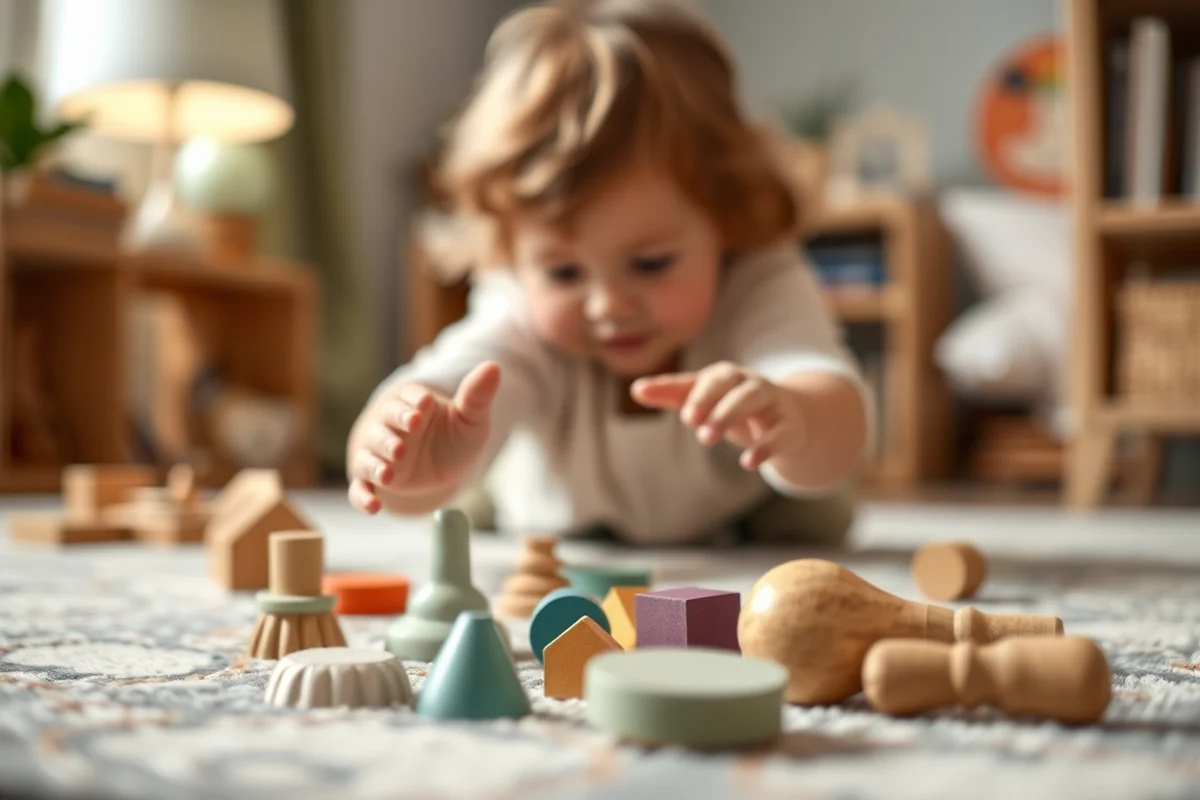
Walking into a Montessori classroom is like stepping into a space that is both beautiful and functional. The furniture is arranged to promote movement, and the materials are organized in a way that invites the child to explore and discover. Each material has a specific purpose and is placed on low shelves so that children can access them independently.
One of the most striking aspects of a Montessori classroom is the variety of materials available. From wooden blocks and puzzles to small plants and musical instruments, everything is designed to support the child’s development. These materials are not just for play — they are carefully selected to help children learn about size, shape, color, texture, and more, while also developing fine motor skills, coordination, and concentration.
The classroom is also designed to encourage independence. Children are encouraged to take care of their own needs, such as pouring water, cleaning up, and choosing their own work. This not only helps them develop practical life skills but also fosters a sense of responsibility and self-reliance.
A Montessori classroom is not a place where learning happens — it’s a place where learning is lived.
Related: Top Montessori At Home Book
Related: What is montessori toys
The Role of the Montessori Teacher
In a Montessori classroom, the teacher’s role is very different from that of a traditional teacher. Instead of standing at the front of the room and directing the class, Montessori teachers observe, guide, and support each child as they explore and learn. They are trained to recognize the unique needs and interests of each child and to provide individualized support when needed.
Montessori teachers spend a lot of time observing the children, noting their interests, strengths, and challenges. This allows them to create a learning environment that is tailored to each child’s developmental stage and learning style. They also help children set goals, encourage them to take risks, and support them in overcoming challenges.
One of the most important aspects of the Montessori teaching approach is its emphasis on respect. Teachers treat children with dignity and encourage them to make their own decisions. This helps children develop a strong sense of self and confidence, which is essential for their overall development.
As a parent in a Montessori school, it’s important to trust the process and support your child’s independence. Avoid rushing in to help when they’re trying to solve a problem on their own. Instead, observe, ask open-ended questions, and offer encouragement. This helps your child build confidence and problem-solving skills.
“There I was, standing in a sunlit classroom, watching my 4-year-old daughter walk across the room with a small wooden spoon in one hand and…”— Thetraylife editors
Related: Quick Montessori At Home Stage
Related: Montessori for toddler bed
The Benefits of a Montessori Education
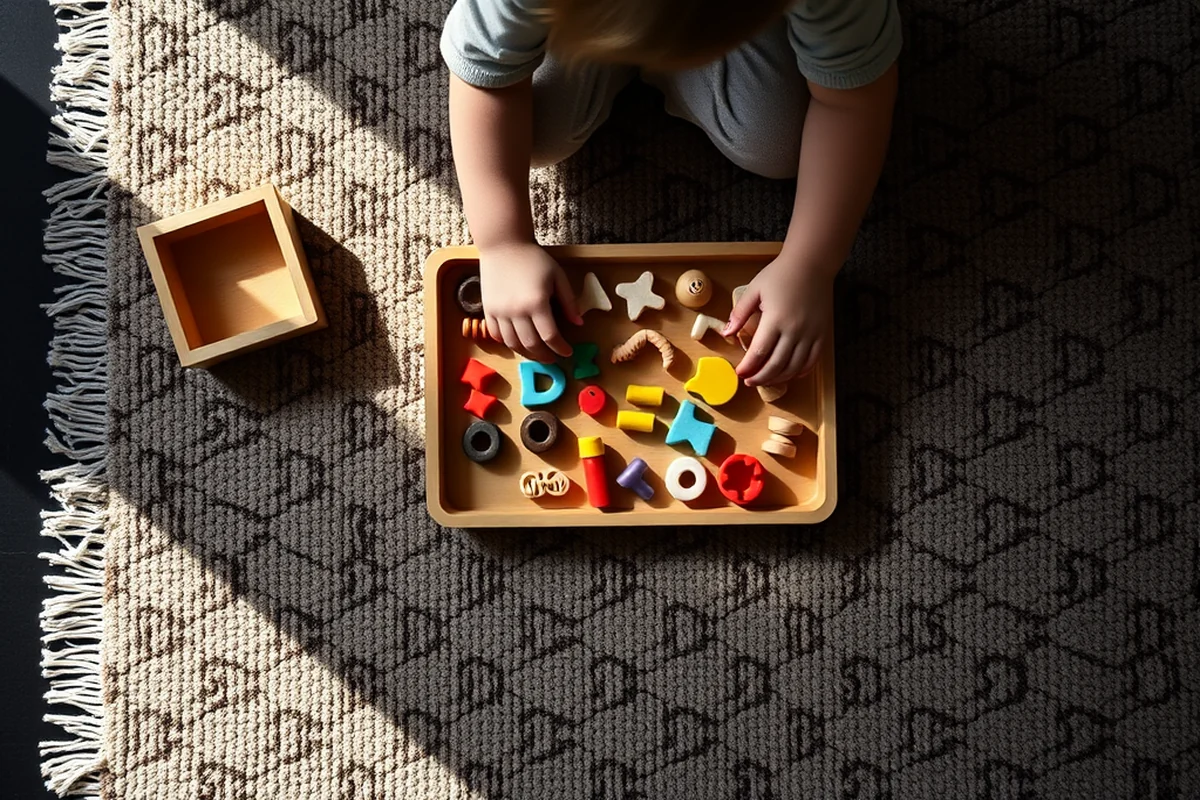
One of the most significant benefits of a Montessori education is the way it helps children develop a strong sense of self. Because they are allowed to make choices and take initiative in their learning, they are more likely to feel confident and capable. This is especially important in early childhood, when children are just beginning to form their sense of identity and self-worth.
Montessori education also helps children develop strong social skills. Because they learn through collaboration and interaction with their peers, they are more likely to be respectful, empathetic, and cooperative. The classroom environment encourages children to work together, share, and support one another, which helps them build strong relationships and a sense of community.
Another key benefit of Montessori education is its long-term impact on learning. Studies have shown that children who attend Montessori schools tend to perform better academically and are more likely to be successful in later life. This is because Montessori education fosters a deep understanding of concepts through hands-on exploration and active learning.[2]
Related: Montessori At Home Routines Tips
The Montessori Approach to Learning
In a Montessori classroom, learning is not confined to textbooks or worksheets. Instead, children are encouraged to explore the world around them through hands-on activities, movement, and interaction with real materials. This approach allows them to develop a deep understanding of concepts and to make connections between ideas in a natural, meaningful way.
Montessori learning is also highly individualized. Each child is given the opportunity to learn at their own pace and in their own way. Teachers observe the children closely and provide materials and activities that are tailored to their interests and developmental stage. This helps children stay engaged and motivated throughout the learning process.
One of the most unique aspects of Montessori learning is its emphasis on the process rather than the product. In a Montessori classroom, the focus is not on getting the right answer or completing a task quickly. Instead, it’s on the journey of learning, the effort that goes into solving a problem, and the satisfaction of discovering something new.
The Montessori Approach to Discipline and Behavior
In a Montessori classroom, discipline is not about punishment or control. Instead, it’s about guiding children to understand the impact of their actions and to make choices that are respectful of themselves and others. Teachers model respectful behavior and create a classroom environment that encourages kindness, cooperation, and empathy.
Montessori schools also emphasize the importance of self-regulation. Children are taught to manage their emotions, solve problems, and make decisions for themselves. This is done through a process of observation, reflection, and guided discussion. Teachers help children understand their feelings and teach them how to express themselves in a respectful and constructive way.
One of the most powerful aspects of the Montessori approach to discipline is that it fosters a sense of responsibility and accountability. Children are encouraged to take ownership of their actions and to think about how their choices affect others. This helps them develop strong social skills and a deep sense of integrity.
Discipline in a Montessori school is not about control — it’s about empowerment and respect.
Montessori and the Transition to Traditional Schools
One of the common concerns for parents considering a Montessori school is how their child will transition to a traditional school later on. However, many parents find that their children adapt well to new environments because they have developed strong skills in self-regulation, independence, and self-directed learning.
Montessori children are used to working at their own pace and taking the lead in their learning. This helps them develop a strong sense of self and confidence, which is essential for success in any educational setting. They also tend to be more curious, creative, and motivated to learn, which makes them well-suited for a wide range道 of learning environments.
Another benefit of a Montessori education is that it helps children develop a strong foundation in both academic and social skills. Because they are encouraged to explore, problem-solve, and collaborate with their peers, they are more likely to be successful in traditional classrooms and to form strong, positive relationships with others.
🌿 Gentle Montessori
A slower, more relaxed approach that focuses on emotional and social development alongside intellectual growth.
🚀 Fast-Track Montessori
A more accelerated version of Montessori that emphasizes academic skills and early literacy and numeracy.
✈️ Montessori for Travelers
A flexible, mobile-friendly approach that allows families to maintain Montessori principles while on the move.
👶 Montessori for Multiples
A tailored approach that supports the unique needs of twins, triplets, and other siblings.
🔄 Montessori for Regression Reset
A specialized approach that helps children who have experienced developmental delays or regression to regain confidence and independence.
| The mistake | Why it happens | The fix |
|---|---|---|
| Trying to control every aspect of the child’s learning. | This undermines the core Montessori principle of allowing the child to lead their own learning and can create a stressful environment for the child. | Trust the process and allow the child to explore and make decisions on their own. Offer guidance, but avoid taking over. |
| Overloading the child with too many choices. | While choice is important in Montessori, overwhelming a child with too many options can lead to confusion and indecision. | Offer a few well-structured choices that are appropriate for the child’s developmental stage and interests. |
| Expecting the child to be perfect or to follow strict rules immediately. | Montessori is about gradual development and respect for the child’s natural learning pace. Expecting perfection can be discouraging and counterproductive. | Be patient and allow the child to make mistakes. Use them as opportunities for learning and growth. |
| Ignoring the importance of the classroom environment. | A Montessori classroom is carefully designed to support the child’s learning and development. Neglecting this can reduce the effectiveness of the program. | Ensure that the classroom is organized, purposeful, and filled with materials that encourage exploration and discovery. |
What Is A Montessori School About
Common Questions
Can a Montessori school accommodate children with special needs?
How does Montessori education prepare children for the future?
What is the typical age range for Montessori schools?
How do Montessori teachers prepare for their role?
References
Cite this guide
Thetraylife (2026). What Is A Montessori School About. https://thetraylife.com/what-is-a-montessori-school-about/
Feel free to cite or share this guide.
Montessori Tray Idea Generator
Age-filtered Montessori tray ideas from household items.
Open it free →