
Montessori At Home For 3 Year Old Tips
📖 Table of Contents
When my daughter turned three, I found myself overwhelmed by the sheer number of 'Montessori at home for 3 year old tips' that I had no idea how to implement. I had read about the importance of independence, but I hadn’t realized how much it could look like letting her pour her own cereal or choose her own outfit. It wasn’t until I tried a few of these methods that I saw her confidence bloom, her self-sufficiency grow, and our days become more peaceful. I’m not an expert by any means, but I’ve learned a lot through trial, error, and observation.[1]
What I didn’t know at the time was that Montessori for three-year-olds is about more than just pretty shelves or colorful toys—it’s about creating an environment that nurtures curiosity, builds skills. Respects the child’s natural rhythm. My daughter’s days are now filled with meaningful work, like sorting laundry or helping in the kitchen, things that didn’t strike me as ‘educational’ before but have turned out to be some of her favorite activities. It’s not about perfection, but rather about intention and presence.[2]
Implementing Montessori at home for a three-year-old requires a shift in mindset, and I’m here to walk you through exactly how I did it. From setting up a child-friendly kitchen to choosing the right tools for independence, I’ve compiled actionable steps that have made a real difference in our home. These aren’t just tips—they’re strategies that I’ve tested and refined over time. They’re designed to help your three-year-old thrive in their own way, on their own timeline.[3]
Why You'll Love This Montessori Approach for 3 Year Olds
- Empowers children to take charge of their own learning and development
- Encourages self-sufficiency and independence through everyday tasks
- Reduces stress and increases cooperation in the household
- Helps your child develop confidence and a sense of purpose
Creating a Montessori-Friendly Home Environment
As of October 2026, I made a conscious effort to lower shelves, use child-sized furniture, and place everything my daughter could reach without a ladder. This includes things like the sink, a small table with chairs, and a low-hanging basket of cleaning supplies she could use to help with chores.[4]
I also created a dedicated work area with a small table and chairs, where she can engage in activities like sorting, pouring, or using tongs. I’ve found that having a defined space for these activities helps her focus and feel more in control of her environment.[5]
One of the most impactful changes was introducing a child-sized kitchen. While it’s a significant investment, it has allowed my daughter to cook simple meals, practice fine motor skills, and take pride in her work. I’ve seen her confidence grow as she learned to use a whisk or measure ingredients with a small measuring cup.
Invest in a small table and chair set, and stock it with child-safe tools like small knives, silicone bowls, and utensils. This will help your child explore cooking and develop independence in a safe way.
Part of our Montessori at home guide.
The Power of Real-Life Work

I used to think that three-year-olds couldn’t be involved in household chores, but I was wrong. My daughter has been helping with folding laundry since she was two, and now she’s completely capable of sorting her own clothes and hanging them up on a low clothesline.
I’ve noticed that when she’s given a task that matters, like setting the table for dinner, she takes it very seriously. I use real plates, forks, and napkins, and she loves the way her table looks once it’s set. It’s a small thing, but it gives her a sense of purpose.
This kind of work also helps her understand the value of contributing to a family. It builds a sense of belonging and teaches her early life skills that will serve her well as she grows.
Real-life work is not just about tasks—it’s about giving a child a role in the family and a sense of purpose.
Related: Montessori at home for 3 year old
Choosing the Right Materials for Learning
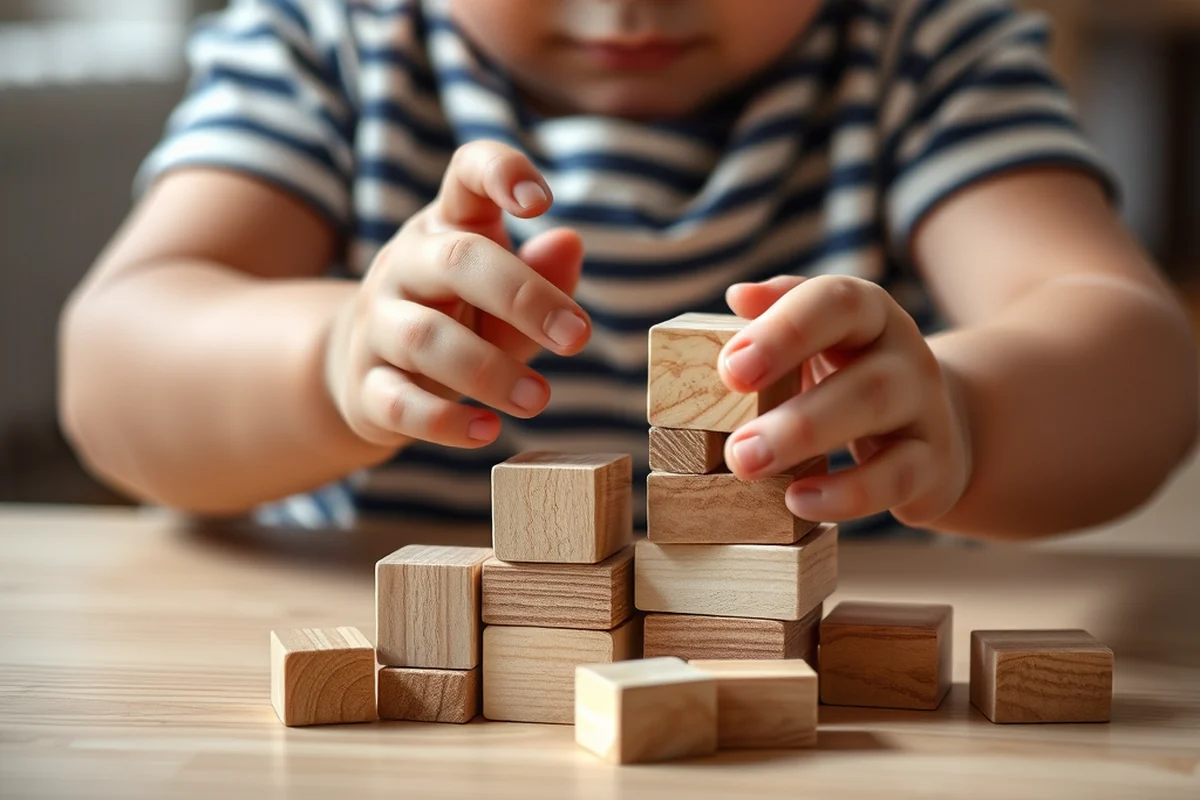
I’ve made a point to choose materials that are safe, not too small, and encourage open-ended play. Things like wooden blocks, sorting trays, and natural items like shells or stones have become staples in our home.
We also use materials that support sensory development, like textured fabrics, sand trays, and water tables. These activities have helped my daughter develop her fine motor skills, hand-eye coordination, and sensory awareness.
I’ve also found that using real-life materials, like cloth napkins and real plates, helps her understand the world around her. It’s not just about play—it’s about learning through experience.
Choose materials that are durable, non-toxic, and free from small parts. Look for items that encourage exploration and open-ended play, like wooden toys, fabric scraps, and natural materials.
“When my daughter turned three, I found myself overwhelmed by the sheer number of 'Montessori at home for 3 year old tips' that I had…”— Thetraylife editors
Related: What is a montessori school definition
Fostering Independence Through Daily Routines
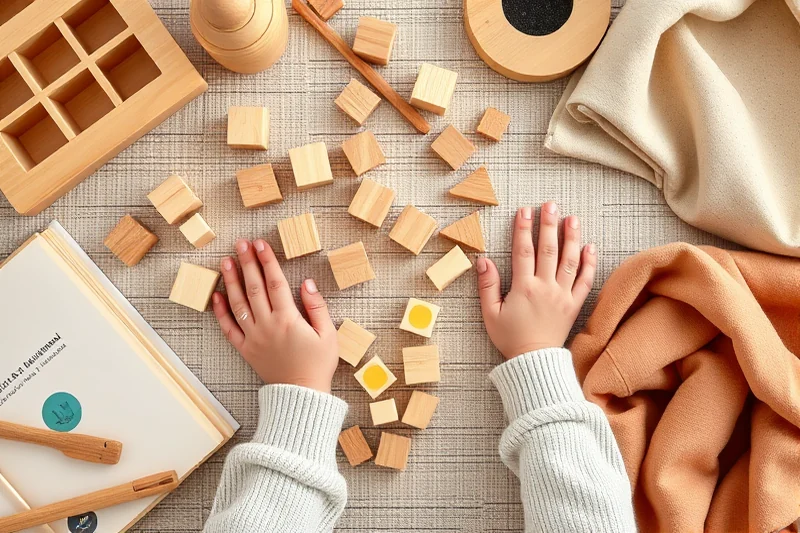
We’ve created a daily schedule that includes time for work, play, meals, and rest. It’s not too strict, but it gives my daughter a sense of structure and helps her understand the flow of her day.
I’ve also started using visual schedules, like picture cards, to help her understand what comes next. This has been especially helpful in the morning when we’re rushing to get out the door.
By following a routine, I’ve noticed that my daughter is more cooperative and less prone to tantrums. She knows what to expect, and she feels more in control of her environment.
Related: Montessori at home curriculum mistakes
Encouraging Language Development Through Communication
I’ve made a point to talk to my daughter throughout the day, using descriptive language and asking open-ended questions. This has helped her build her vocabulary and express her thoughts more clearly.
I also encourage her to communicate her needs, whether it’s asking for a snack or wanting to help with a task. I’ve found that giving her the tools to express herself helps build her confidence and independence.
One of the most rewarding parts of this approach has been watching her grow into a more articulate and confident communicator. She’s not only speaking more but also listening and responding in meaningful ways.
⭐ Classic
A simple, no-frills play dough recipe that’s perfect for sensory play and creativity.
💰 Budget
This version uses affordable ingredients like flour, salt, and oil, making it a cost-effective option for families.
⚡ Extra-Fast
A quicker version that skips kneading and uses pre-made dough for immediate play.
✨ Depth
Includes additional sensory elements like rice or beans for an even more immersive play experience.
🥗 Light
A lighter recipe using alternative flours for a gluten-free option that’s still safe and fun for play.
| The mistake | Why it happens | The fix |
|---|---|---|
| Using too many toys or materials that are not Montessori-friendly | This can overwhelm the child and make the environment less effective for learning. | Stick to a few high-quality, developmentally appropriate materials that encourage exploration and independence. |
| Not setting up a clear work area for the child | Without a dedicated space, the child may not have the focus or motivation to engage in meaningful activities. | Create a small work area with a low table and chairs, and stock it with Montessori-inspired materials that encourage hands-on learning. |
| Overloading the child with too many tasks or expectations | This can lead to frustration and a loss of interest in the Montessori approach. | Start with simple tasks and gradually build up as the child becomes more confident and capable. |
| Neglecting to involve the child in daily routines | This can make the child feel disconnected from the family and reduce their sense of purpose. | Involve the child in daily routines like meal preparation, cleaning, and helping with chores. Make it a fun and meaningful part of their day. |
What You'll Need tap to check off
- 1 lb all-purpose flour
- ½ cup salt
- ½ cup baking soda
- ½ cup vegetable oil
- 1 cup water
- food coloring (optional) to taste
Method tap a step when done
- In a large bowl, mix together the flour, salt, and baking soda.
- Add the vegetable oil and stir until the mixture is crumbly.
- Gradually add the water, a little at a time, until the dough comes together and is no longer crumbly.
- Knead the dough on a floured surface for about 5 minutes until it is smooth and elastic.
- If using food coloring, divide the dough into small portions and add a few drops of color to each portion, kneading until the color is evenly distributed.
- Store the dough in an airtight container or wrap it in plastic wrap until ready to use.
Key Facts
Related: In home montessori daycare for beginners
Montessori At Home For 3 Year Old Tips
Related: Beginner montessori activities at home
Common Questions
How can I encourage my three-year-old to help with chores?
What are some Montessori-friendly activities for a three-year-old?
How do I create a child-friendly kitchen at home?
What are the benefits of a Montessori approach for a three-year-old?
References
- PDF Mi Pequeño Mundo: An Evaluation of a Pilot Montessori-Based Home ... (files.eric.ed.gov)
- Preschool Programs for Ages 3 - 5 Years - State of Michigan (michigan.gov)
- UVA-led national study finds Montessori preschool boosts learning, cuts ... (news.virginia.edu)
- Montessori education's impact on academic and nonacademic outcomes: A ... (pmc.ncbi.nlm.nih.gov)
- Family Child Care (Home-Based Programs) - New York City Public Schools (schools.nyc.gov)
Cite this guide
Thetraylife (2026). Montessori At Home For 3 Year Old Tips. https://thetraylife.com/montessori-at-home-for-3-year-old-tips/
Feel free to cite or share this guide.