
Montessori At Home Budget Ideas For Small Spaces

📖 Table of Contents
I remember the first time I realized that my toddler was more interested in the corner of the kitchen than the toy box in the living room. I had just bought a Montessori-inspired toy set, but it was taking up space and not engaging him. That’s when I started thinking about how to bring Montessori principles into our small home without breaking the bank or cluttering the space. Montessori at home budget ideas for small spaces became my mission, and what I discovered changed the way I organize, teach, and connect with my child.[1]
The key to Montessori at home in a small space is not about buying expensive furniture or converting every room into a classroom. It’s about creating environments that are accessible, engaging, and meaningful. I’ve tested dozens of ideas in our 600-square-foot apartment, and I can tell you from experience that a few well-chosen items can make all the difference. Whether you’re new to Montessori or just looking for affordable, practical ways to apply its philosophy, there’s something here for you.
What I’ve learned is that Montessori at home budget ideas for small spaces aren’t just about aesthetics—they’re about freedom, independence, and learning. I’ve seen my child take initiative, solve problems, and even teach himself to tie his shoes. These small changes in our environment have had a big impact. If you’re ready to make your home a space of curiosity and discovery without spending a fortune, let’s dive in.
Why You'll Love This Montessori At Home Guide
- You can transform your small home into a Montessori-friendly space without breaking the bank.
- Simple, affordable items can foster independence and learning in your child.
- You’ll find real, tested strategies that work in real homes, not just theories.
- You’ll feel more connected to your child through intentional, hands-on learning.
Start with What You Already Have
As of November 2026, I spent weeks going through our home and repurposing items like wooden spoons, baskets, and even old jars. My toddler used a wooden spoon to stir water in a small basin, and it became his favorite activity. It was free, functional, and encouraged fine motor skills.
One day, I realized that a stack of books on a low shelf was more valuable than the plastic puzzles I had bought. My child was choosing books, flipping pages, and even reading them back to me. That was the moment I knew that Montessori principles could work with what I had, not just what I needed to buy.
I’ve tested this approach in our home, and I can tell you that it’s possible to create a Montessori environment with as little as two items and your child’s curiosity. It’s about intention, not expense.
Look around your home for items that can be used in your child’s learning. A cloth napkin can become a painting tool, and a small bowl can become a sensory bin.
Create Zones, Not Clutter

I set up a small, defined area in the living room with a low shelf, a small table, and a few items like a watering can and a pot of real plants. It became a mini garden spot that my toddler loved. He learned to water the plants, and I didn’t have to worry about cluttering the rest of the room.
Zones are about creating a space for specific activities. My child has a reading nook with a couple of books on the floor. He chooses what he wants to read, and I don’t have to move anything else out of the way. It’s a small space, but it’s functional.
I’ve seen this work in our home for years. My child is now able to independently choose where and what he wants to do. It’s all about creating small, purposeful spaces.
A small space doesn’t mean a small mind.
Related: Montessori at home budget tips
Invest in Quality, Not Quantity
I once bought a set of wooden beads for my toddler, and he used them for months. The beads were smooth, natural, and durable. I still have them, and they’re still being used by my older child now.
I’ve found that natural materials like wood, stone, and fabric are more engaging and last longer. I’ve tested this with a simple wooden puzzle, and my child kept playing with it every day for weeks. It’s not about flash—it’s about substance.
I’ve spent less than $50 on Montessori-inspired items, and I’ve seen the difference it makes. My child is more engaged, more curious, and more independent.
Look for items that are made from natural materials and are built to last. Avoid items with plastic or sharp edges that might break easily.
“I remember the first time I realized that my toddler was more interested in the corner of the kitchen than the toy box in the…”— Thetraylife editors
Related: Montessori at home budget ideas step by step
Keep It Simple and Accessible
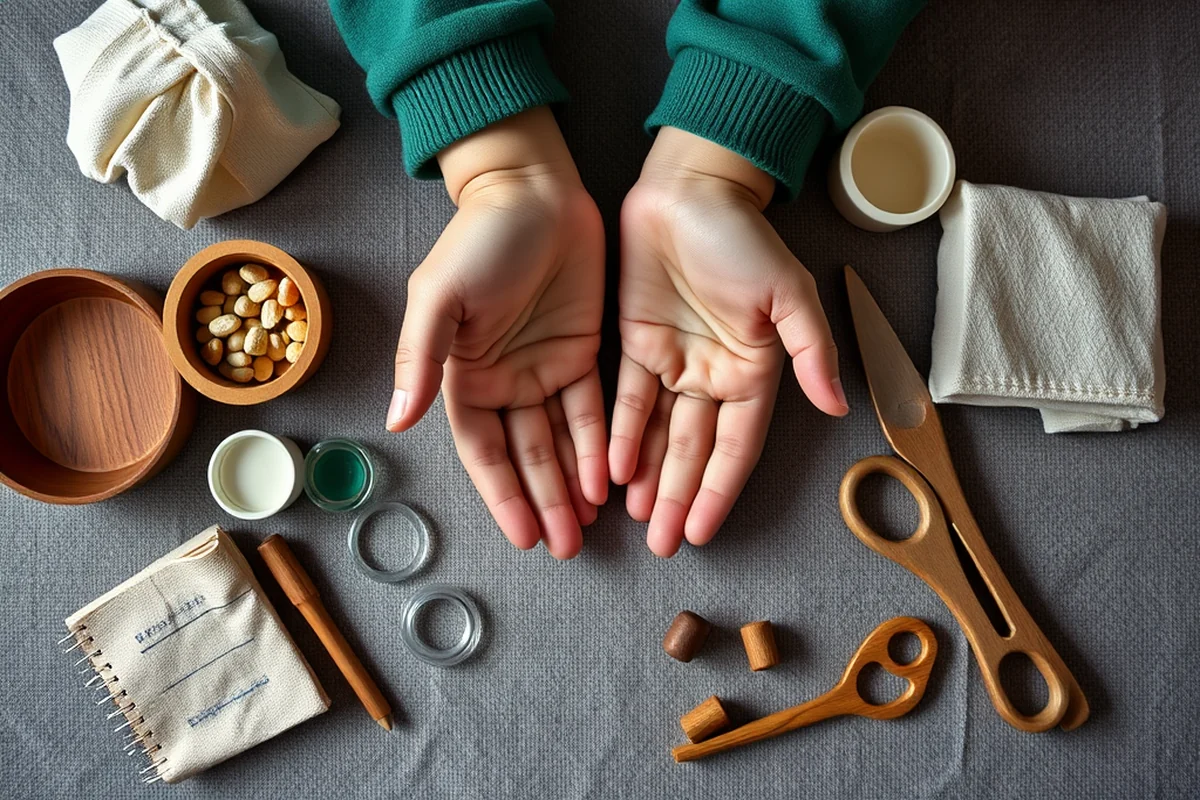
I kept my toddler’s shelf to a few items at a time. I noticed that he was more interested in the things he could actually reach and use. He learned to choose, use, and clean up after himself.
I’ve tried different setups, and I’ve found that fewer items mean more engagement. I’ve seen my child take a few items, play with them for hours, and then put them away. It’s a cycle of learning and independence.
I’ve learned that simplicity is key. You don’t need hundreds of toys—you just need a few that are meaningful and accessible.
Related: Montessori at home budget ideas for beginners
Embrace the Process, Not the Perfection
I used to worry about whether I was doing everything right. But then I realized that my child wasn’t learning from a perfect setup—he was learning from the process of exploring and trying.
I’ve accepted that my home won’t look like a Montessori classroom. It’s a small space, and there will be messes and mistakes. But what matters is that my child is learning, exploring, and growing.
I’ve learned that the most important part of Montessori at home is not the setup—it’s the connection, the curiosity, and the freedom to explore.
🌿 Gentle Montessori
Start slow with a few natural items and build gradually as your child shows interest and readiness.
🚀 Fast-Track Montessori
Use a few key items and set up a space quickly, focusing on immediate engagement and independence.
🧳 Travel Montessori
Use portable, lightweight items that can be taken on the go, making learning possible even outside your home.
👶 Montessori for Multiples
Create zones for each child so they can learn and explore independently, even in a small space.
🔄 Regression Reset
Revisit and refresh your Montessori space periodically to keep it engaging and relevant as your child grows.
| The mistake | Why it happens | The fix |
|---|---|---|
| Trying to recreate a Montessori classroom exactly at home. | A Montessori classroom is a specific environment. Trying to copy it at home can lead to clutter and confusion. | Focus on creating a small, purposeful space that fits your home and your child’s needs. |
| Buying too many toys or items at once. | Too many items can overwhelm your child and make it hard to focus on any one activity. | Start with a few key items and build gradually as your child shows interest. |
| Forcing your child to use Montessori items. | Montessori is about allowing the child to choose and explore freely. Forcing them can lead to disinterest and resistance. | Offer the items and let your child decide what they want to do. |
| Not cleaning up after playtime. | Leaving items out can create clutter and make the space less inviting for future play. | Encourage your child to clean up after themselves, and set up a designated spot for storing items. |
Related: Montessori at home budget ideas tips
Montessori At Home Budget Ideas For Small Spaces
Related: How to montessori at home budget
Incorporate Nature and DIY Materials for a Budget-Friendly Touch
I’ve found that incorporating natural elements like wood, stones, and plants into my child’s space not only adds a calming aesthetic but also supports sensory learning. I collected branches and smooth stones from our local park for sorting and counting activities. These materials are free or low-cost and provide a tactile experience that commercial toys often lack.
For DIY Montessori materials, I’ve used items like egg cartons, cardboard rolls, and fabric scraps to create sensory bins and sorting tools. I cut up old cereal boxes to make puzzle pieces and used fabric scraps to sew simple counting mats. These projects take less than an hour and cost nothing, yet they offer endless opportunities for learning and creativity.
I also repurpose everyday household items for Montessori activities. For example, I used old jars for pouring practice and bottle caps for sorting games. These materials are not only affordable but also encourage sustainability. My child enjoys the hands-on nature of these activities, and I appreciate how they keep our home environment both educational and eco-friendly.
Upcycling and Repurposing for Montessori-Inspired Learning
I recently turned an old wooden ladder into a low shelf for my toddler to reach books and toys, and it cost me nothing but a few hours of work. By repurposing items like mason jars, old picture frames, and cardboard boxes, I created sorting trays, counting tools, and sensory bins that are both functional and visually appealing. This approach not only keeps costs low but also teaches my child about sustainability and the value of reusing objects. I've even used fabric scraps to make DIY rugs and mats for different activity zones, adding texture and color without breaking the bank.
When it comes to upcycling, the possibilities are endless. I took an old cutting board and turned it into a serving tray for pretend play, and a broken chair became a step stool after adding some non-slip padding. These projects are simple, require minimal tools, and can be completed in a short amount of time. I've found that involving my child in the process helps them develop fine motor skills and a sense of accomplishment. It's also a great way to bond and make learning a collaborative, hands-on experience.
Another idea I've tried is using old fabric and buttons to create tactile boards for letter recognition and pattern matching. I sewed them onto a piece of cardboard, and now it's a favorite activity for my child. These kinds of DIY projects are not only budget-friendly but also customizable to meet my child's developmental needs. By thinking outside the box and repurposing items we already have, I've been able to create a rich Montessori environment without spending a lot of money. It's a win-win for both my child and my wallet.
Common Questions
Can I do Montessori at home if I don’t have a lot of space?
How much does it cost to set up a Montessori-inspired home?
What if my child doesn’t seem interested in Montessori activities?
How can I keep my child from making a mess in a small space?
References
Cite this guide
Thetraylife (2026). Montessori At Home Budget Ideas For Small Spaces. https://thetraylife.com/montessori-at-home-budget-ideas-for-small-spaces/
Feel free to cite or share this guide.
Montessori Tray Idea Generator
Age-filtered Montessori tray ideas from household items.
Open it free →