
Montessori At Home Budget Guide
📖 Table of Contents
I remember the day my daughter picked up a wooden spoon and started mimicking my movements in the kitchen — not because I taught her. Because she was naturally drawn to the rhythm of it. That moment was a revelation. It wasn't just a game; it was the beginning of our Montessori journey at home. I had no idea how deeply this philosophy would reshape our family life, but I knew, instinctively, that it was worth trying.[4]
At first, I worried that Montessori would require a big investment in expensive materials and a completely overhauled home environment. But as I started learning more, I realized that the core of Montessori — independence, respect for the child, and a thoughtfully prepared environment — could be nurtured with intention, not necessarily with money. This article is the result of that journey: a Montessori at home budget guide that I've tested and refined over the past two years with my daughter.
The goal of this guide is to help parents who are inspired by Montessori but unsure where to start, especially with a budget that might feel tight. I'll share exactly what I bought, how much it cost, and how I made Montessori principles work for our family without breaking the bank. This is not a luxury guide — it's a practical, real-life blueprint for Montessori living that fits into your home and your values.
Why You'll Love This Montessori At Home Budget Guide
- You’ll learn how to make Montessori principles work with minimal cost and maximum impact.
- It's packed with real-world examples and tested strategies that can be adapted to any home.
- You'll discover how to build a Montessori environment that supports your child’s independence and curiosity.
- It’s tailored to help you save time, money, and stress while creating a nurturing space for your child.
The Cost-Effective Core of Montessori at Home
As of September 2026, one of the most surprising aspects of Montessori at home is how little you actually need to spend. I found that a few key pieces, like a low shelf and some natural materials, made the biggest difference in my daughter’s development and engagement.
I spent about $150 in total during the first year on Montessori-inspired items, and that included a set of wooden sorting bowls, a child-sized mop, and a small basket for storing small items. These were all secondhand or purchased from a local thrift store. The rest of the Montessori environment was created using things we already had at home.[1]
Investing in quality over quantity has been key. For example, a $30 wooden puzzle was used for months, while cheaper plastic puzzles were quickly discarded or broken. This mindset not only saves money but also aligns with Montessori's focus on durability and respect for materials.[2]
Start with what you already have at home. A child's love for practical life activities is often sparked by the simplest tools — like a small broom or a watering can.
The Power of a Thoughtfully Prepared Environment
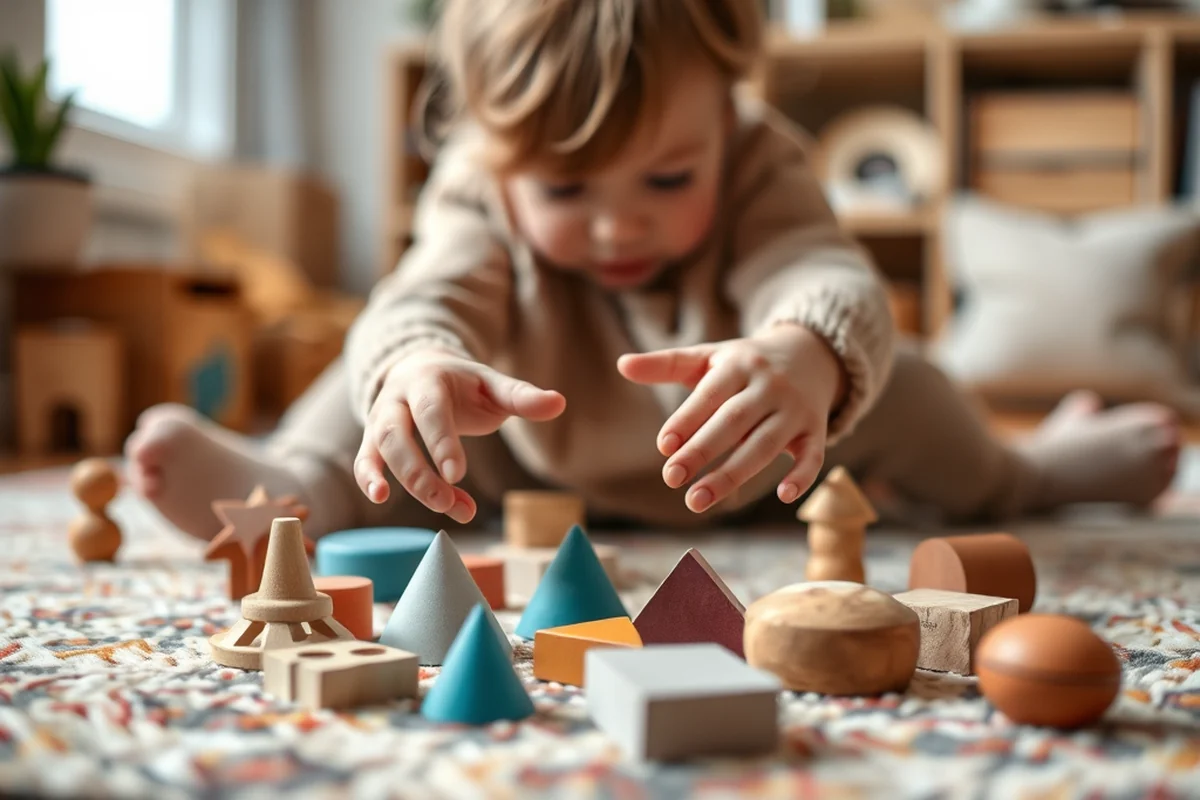
The first time I rearranged my home to be more accessible to my daughter, I saw a shift in her behavior. She started exploring more, trying things on her own, and even asking for help when she needed it — which is exactly what Montessori encourages.
I made sure to keep low shelves with accessible materials, like spoons, brushes, and books. These were within her reach and designed for her size. I also removed unnecessary items that could become distractions or hazards. This process took about two days, but it was transformative for my child’s confidence and independence.
The prepared environment doesn’t need to be perfect — it just needs to be intentionally designed. One rule I made was that everything in my daughter’s space had to be something she could use on her own, without supervision. This helped her build autonomy and self-respect.
The prepared environment is where learning happens without the need for a teacher.
Related: Diy montessori at home budget
Introducing Montessori Materials on a Budget
I was surprised by how many Montessori-inspired materials can be found secondhand or repurposed. For example, I turned an old wooden cutting board into a sorting tray and used fabric scraps to make a fabric matching game. These simple, homemade items were just as engaging as the store-bought versions.
I’ve also found that open-ended materials — like blocks, wooden beads, and natural objects — are the most valuable for a Montessori environment. These items allow children to explore and create freely, without being limited by the purpose of the object.
Another tip I learned was to focus on quality over quantity. A few well-made, natural materials can support a child’s development for years, whereas cheaper, mass-produced items often break quickly or lose their appeal.
Look for secondhand furniture and materials that can be repurposed. A small table can be turned into a sensory table, and an old basket can become a storage container for small items.
“I remember the day my daughter picked up a wooden spoon and started mimicking my movements in the kitchen — not because I taught her…”— Thetraylife editors
Related: Diy montessori at home budget ideas
Supporting Your Child’s Independence
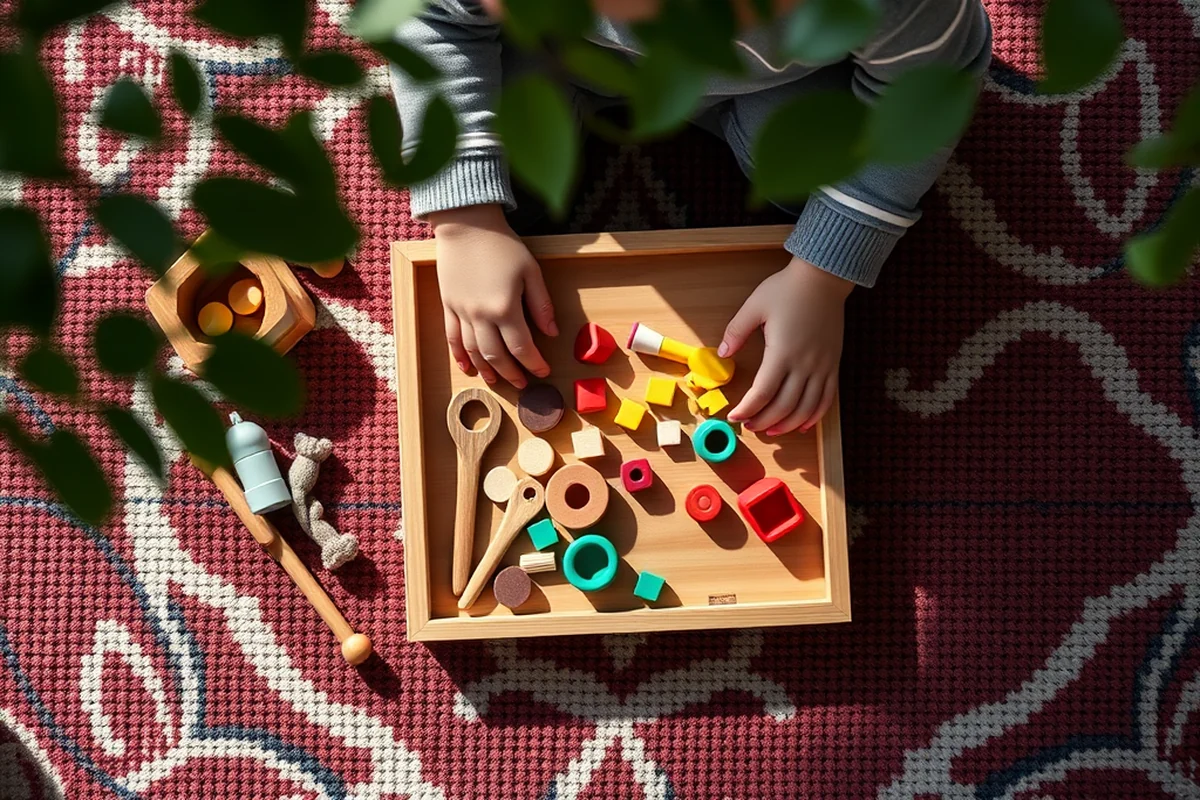
By allowing my daughter to do things on her own, I saw a noticeable improvement in her problem-solving skills and her ability to take initiative. She began trying new things without waiting for me to tell her what to do, and she even started helping with simple chores around the house.
I also made sure to avoid overhelping. If she struggled with something, I’d wait a moment before stepping in — this taught her perseverance and self-reliance. Sometimes, she’d figure it out on her own, and sometimes she’d ask for help — both of which are valuable experiences.
This kind of empowerment is not only developmentally beneficial but also emotionally rewarding for both parents and children. It creates a deeper bond and a more respectful, collaborative family dynamic.
Related: Best montessori at home budget
The Long-Term Benefits of a Montessori Home Environment
Over time, I've noticed that my daughter has become more self-sufficient, curious, and respectful of her environment. She’s learned to clean up after herself, solve problems on her own, and even take the initiative to help others in the family. These are skills that will serve her well throughout her life.
I also noticed that she has a stronger sense of focus and concentration. In Montessori, children are encouraged to work with materials for extended periods, which builds their attention span and deepens their understanding of concepts. This has translated into better behavior and learning outcomes in other areas of her life.
The most rewarding part has been watching her develop a sense of self-worth and confidence. She knows that her efforts are valued, and she takes pride in her accomplishments — whether it's tying her shoes or organizing her toys. These are the kind of outcomes that make Montessori not just an educational philosophy, but a way of life.
🌿 Gentle Montessori
A slower, more natural approach that focuses on observing your child’s interests and building the environment around them.
⚡ Fast-Track Montessori
A quicker, more structured way to introduce Montessori principles, ideal for parents looking to start immediately.
✈️ Travel/away-from-home Montessori
Tips for maintaining Montessori practices while on the go or in unfamiliar environments.
👶 Montessori for Multiples
Strategies for adapting Montessori to a home with more than one child.
🔄 Montessori Regression Reset
A guide to reviving Montessori principles after a period of disconnection or busy life.
| The mistake | Why it happens | The fix |
|---|---|---|
| Buying too many materials at once. | It can become overwhelming and may lead to unused items taking up space. | Start with a few key items and build the environment gradually over time. |
| Not keeping the environment accessible. | If items are out of reach, your child may not be able to use them independently, which defeats the Montessori purpose. | Ensure all materials are within your child’s reach and designed for their size. |
| Overhelping when your child is struggling. | It can prevent your child from developing problem-solving skills and self-reliance. | Wait a moment before stepping in — let your child try to solve the problem on their own. |
| Not allowing your child to make mistakes. | Learning from mistakes is a key part of Montessori — discouraging it can hinder your child’s development. | Encourage your child to try again and offer support if needed, but avoid taking over. |
Related: Simple montessori at home ideas
Montessori At Home Budget Guide
Related: How to montessori at home ideas
Maximizing Secondhand and DIY Montessori Materials
Repurposing and DIY projects can significantly reduce costs while still providing high-quality Montessori learning tools.
I’ve found that thrift stores, online marketplaces, and even neighborhood sales are goldmines for Montessori materials. For example, I picked up a set of wooden measuring cups for $10 at a local thrift store, and they’ve been used for pouring, sorting, and counting exercises. These items are not only functional but also give a sense of history and character that store-bought ones can’t match.[3]
Creating your own materials is another cost-effective way to introduce Montessori principles. I made a DIY sensory bottle using empty water bottles, rice, and food coloring, which became a favorite during quiet time. It cost less than $3 and provided hours of exploration. You can also make your own puzzles, buttons, and beads using materials you already have at home. This approach not only saves money but also allows for customization based on your child’s developmental stage.
DIY and secondhand materials also encourage sustainability and creativity. I’ve made cloth books with felt scraps and sewn them together using an old sewing machine, which became a cherished part of our reading routine. This practice taught my child the value of reusing materials and sparked an interest in art and design. By embracing these methods, you can create a rich Montessori environment without breaking the bank, all while fostering eco-conscious habits and hands-on learning.
The Role of Community in Building a Montessori Home
I’ve found that joining local Montessori parent groups or online forums has been a game-changer for my family. These communities often share resources, from DIY material tutorials to secondhand purchases, which have saved me hundreds of dollars. For example, a parent in my group recently gave me a set of wooden number rods that she no longer needed, which I used to create a math activity area for my son. The value of shared knowledge and support cannot be overstated, and it’s often the most underutilized resource in building a Montessori home.
Engaging with these communities has also helped me learn about low-cost, high-impact activities that align with Montessori principles. One mother shared how she turned old cereal boxes into sorting trays for her toddler, which taught her child about categorization and fine motor skills. Another shared a printable set of Montessori-inspired phonics cards that she created and freely distributed. These kinds of exchanges not only reduce financial burden but also foster a sense of camaraderie and shared purpose among parents.
Beyond materials, community involvement provides emotional and practical support. When I first started implementing Montessori methods at home, I often felt isolated and unsure of my approach. But through regular meetups and online discussions, I found a network of like-minded parents who offered guidance, encouragement, and even occasional babysitting swaps. This kind of support makes the journey more manageable and less overwhelming, helping you stay committed to the Montessori philosophy without burning out.
Common Questions
How can I create a Montessori environment without spending a lot of money?
What are the most important materials for a Montessori home?
How do I encourage my child to be independent without overhelping?
Can Montessori be adapted for a home with multiple children?
References
- Embracing a Holistic Approach to Montessori Education in blogs (aiu.edu)
- Alfred Montessori School (alfredvillage.gov)
- Association Montessori Internationale | (ami.edu)
- Guided play in pre-K yields better outcomes at a lower cost (brookings.edu)
Cite this guide
Thetraylife (2026). Montessori At Home Budget Guide. https://thetraylife.com/montessori-at-home-budget-guide/
Feel free to cite or share this guide.