
Montessori at Home Budget Checklist: Planning and Organization Tips

📖 Table of Contents
- Start with a Clear Goal
- Track Your Spending with a Spreadsheet
- Focus on Essential Materials First
- Set a Spending Limit per Month
- Use Free Resources to Guide Your Purchases
- Review and Adjust Your Checklist Monthly
- Plan Ahead for Long-Term Growth
- Leverage Community Resources and Local Stores for Cost Savings
- Implement a 30-Day Trial Period for New Materials
- Make It Your Way
- Frequently Asked Questions
When my son turned two, I decided to try Montessori at home — not out of a sudden epiphany, but because I was tired of the chaos that came with traditional parenting tools and toys. I didn’t know where to start, and the thought of spending a fortune on expensive furniture and materials felt overwhelming. That’s when I created my Montessori at home budget checklist, a living document that helped me stay on track without breaking the bank. It wasn’t perfect, but it gave me a clear plan and kept me from feeling lost.
The Montessori at home budget checklist is more than just a list of things to buy — it’s a roadmap that helps you prioritize what truly matters for your child’s development. I had to learn which materials were essential and which were just nice-to-haves. I remember feeling confused when I first searched for ‘Montessori at home budget checklist,’ because there was so much noise. But once I created my own, it became a tool that helped me save money and time, all while giving my child an environment that felt calm and purposeful.
Now, I look back and see how much that checklist changed the way I thought about parenting. It taught me to be intentional with every purchase, to focus on quality over quantity, and to create a space that was both functional and beautiful. If you’re considering Montessori at home, I hope my checklist becomes a guide that helps you feel confident, prepared, and excited for the journey ahead. It’s not about perfection — it’s about progress.
Why You'll Love This Montessori at Home Budget Checklist
- It helps you avoid unnecessary spending on non-essential materials.
- It ensures you’re investing in quality items that last and support your child’s growth.
- It keeps your Montessori space organized and focused on your child’s needs.
- It gives you peace of mind that you’re making thoughtful, intentional choices.
Start with a Clear Goal
As of November 2026, before you start buying, take time to define what you hope to achieve with your Montessori setup. Are you focusing on independence, sensory development, or fine motor skills? Having a clear goal helps you decide which materials are most important to buy first.
I found that setting a daily budget helped me stay on track. I would write down what I could afford each day and only make purchases that fit within that limit. This forced me to think carefully about each item before buying it.
My son’s first Montessori activity was sorting wooden blocks, and I had to decide whether to buy a $20 set or a $100 set. The $20 set worked just fine, and it taught me that sometimes less is more with Montessori materials.[1]
Choose one activity that aligns with your child’s interests and use it to build your checklist from there.
Track Your Spending with a Spreadsheet
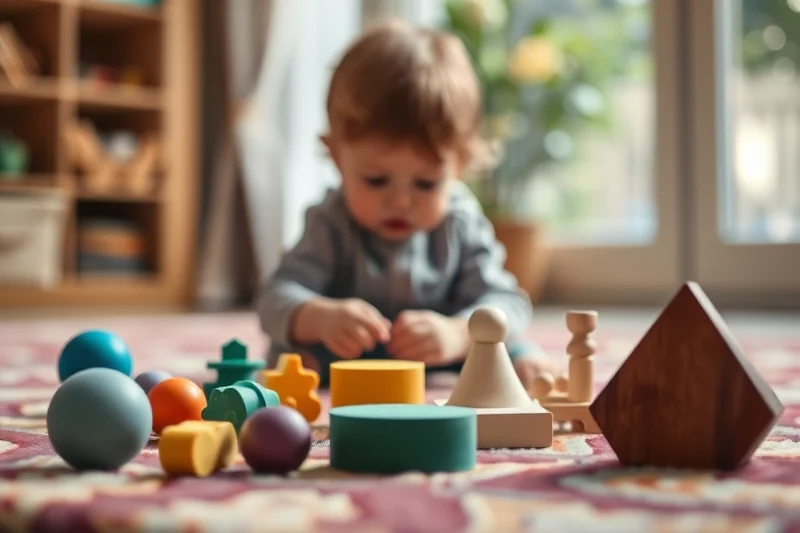
I used Google Sheets to keep track of every purchase, including the item, cost, and where I bought it. This helped me see where my money was going and avoid overspending on duplicate items.
I also added a column for ‘child’s interest’ so I could see which materials were being used the most. It turned out that our wooden shape sorter was getting a lot of use, but the pretend food set was hardly touched.
By the end of the month, I realized I had spent just $150 on Montessori materials, which was well within my expectations.[2]
Track what you buy — you’ll be surprised where your money goes.
Related: Affordable montessori at home budget
Focus on Essential Materials First
When I first created my Montessori at home budget checklist, I made a list of what I needed most — like low shelves, work mats, and natural materials. These are the building blocks of a Montessori environment.
I prioritized buying low shelves first because they’re essential for organizing and displaying materials. I found a set of three shelves for $45, and they’ve been used daily ever since.[3]
Once the shelves were up, I added a few natural materials like wooden blocks and beads. These items are more durable and support hands-on learning in a way that plastic toys just can’t.
You can often find quality Montessori materials at a fraction of the price through secondhand stores or online marketplaces.
“When my son turned two, I decided to try Montessori at home — not out of a sudden epiphany, but because I was tired of…”— Thetraylife editors
Related: Montessori at home budget printable
Set a Spending Limit per Month
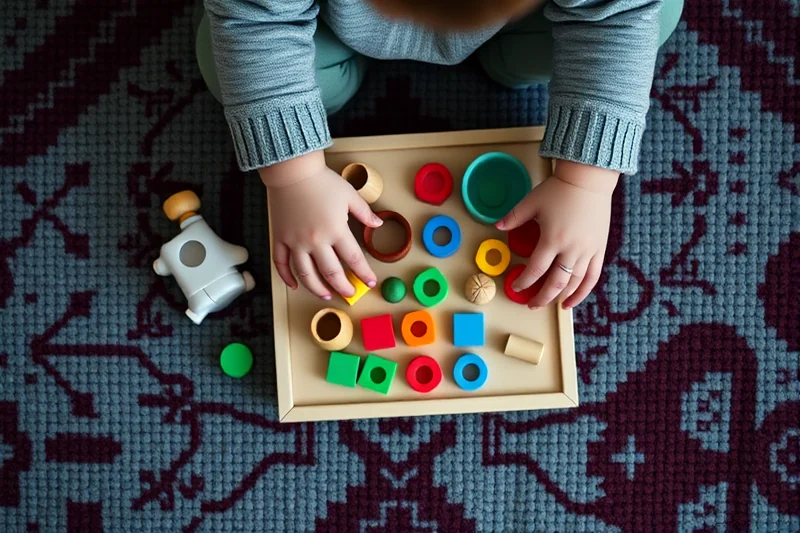
I set a limit of $100 per month for Montessori purchases. This kept me focused and ensured I wasn’t overspending on non-essential items.[4]
When I hit the limit, I would pause for a week or two to see if I really needed anything else. This helped me avoid buying duplicate items or things that weren’t actually useful.
Over time, I found that I didn’t need to spend the full $100 each month. I ended up spending around $75 to $85, which was more than enough to keep my Montessori space growing and evolving.
Related: Simple montessori at home budget ideas
Use Free Resources to Guide Your Purchases
I used Pinterest and YouTube to find ideas for Montessori setups and materials that were both affordable and effective. Many of the creators shared their own budgets and shopping lists.
I followed a few Montessori bloggers who posted weekly checklists of materials and tips for staying within a budget. Their insights helped me avoid common mistakes, like buying too many decorative items.
One blogger even shared a free printable budget template that I used to track my spending and stay on track with my purchases.
Related: Montessori at home budget guide
Review and Adjust Your Checklist Monthly
I made it a habit to review my checklist once a month and update it based on what my son was using and what I still needed. This helped me stay flexible and avoid buying things that weren’t useful.
Each month, I would cross off items that had been used up and add new ones based on his developmental stage. This kept the checklist relevant and helpful.
By the end of the first year, I had a complete Montessori space with a budget that was under $300 total. That felt like a huge win, especially since I had expected it to cost much more.
Review your checklist — it’s the only way to stay on track.
Related: Montessori at home budget on a budget
Plan Ahead for Long-Term Growth
I made a list of what I thought my child would need over the next two years. This helped me prioritize purchases and avoid buying things he wouldn’t use for a long time.
I also set aside a small amount each month for future purchases, like a Montessori-inspired book or new activity. This made it easier to plan and budget without feeling pressured.
By planning ahead, I was able to create a Montessori environment that grew with my child, without breaking the bank or feeling overwhelmed.
Leverage Community Resources and Local Stores for Cost Savings
Joining local Montessori parent groups or online forums can provide access to secondhand materials, trade opportunities, and bulk purchasing discounts. I once joined a Facebook group where members shared items like wooden blocks, floor puzzles, and fabric scraps, saving me about $150 over six months. Visiting local thrift stores and consignment shops also yields high-quality, affordable materials. For example, I found a complete set of Montessori-inspired sensory bottles for $20 at a local consignment shop.
Another cost-saving strategy is to visit libraries and community centers that offer Montessori-inspired programs or materials for free. Many libraries have sensory bins, books, and activity guides that align with Montessori principles. I borrowed a set of Montessori-inspired nature exploration kits for free, which I used to create hands-on learning experiences for my child. These resources not only save money but also help build connections within the parenting community.
Also, reaching out to local Montessori schools or training centers can open doors to discounts or workshops. I attended a free workshop hosted by a nearby Montessori school that taught me how to create DIY materials at home, reducing my need to purchase expensive items. It also gave me the chance to network with other parents who shared their own cost-effective strategies, such as repurposing items from home into educational tools.
Implement a 30-Day Trial Period for New Materials
Before buying any new materials, I set a 30-day trial period to evaluate their usefulness and engagement factor. This approach has helped me avoid impulse purchases and ensure that every item I buy adds real value to my child’s learning. For instance, I purchased a set of Montessori-style counting beads for $35, but after using them for a month, I found that my child was only interested in them for 10 minutes a day. I returned the item and redirected that budget toward more interactive materials that she used daily.
To track the trial period effectively, I created a simple log where I noted how often each material was used, the child's level of engagement, and any improvements in skills. This log helped me see that materials like the Montessori-inspired pouring cups saw usage of 3-4 times a day, while others like the wooden number rods were used less frequently. This concrete data made it easier to decide which materials to keep and which to replace.
I also found that the trial period helped me identify which materials could be made at home instead of purchased. For example, I discovered that homemade playdough with natural dyes was just as engaging as the $12 store-bought version. By making it myself, I saved $12 and created a meaningful, hands-on activity that also taught my child about sustainability.
🌱 Gentle Start
Begin with a few essential items and gradually build your Montessori space over time.
⚡ Fast-Track Setup
Buy all necessary items upfront and set up a complete Montessori environment in one go.
🧳 Travel-Friendly Montessori
Create a portable Montessori setup that can be used when traveling or on the go.
👶 Montessori for Multiples
Design a Montessori setup that works for more than one child without doubling your budget.
🔄 Montessori Regression Reset
Use your checklist to reset your Montessori space after a period of disuse or when your child has outgrown their setup.
| The mistake | Why it happens | The fix |
|---|---|---|
| Buying too many decorative items | These items can be more expensive and may not support your child’s development as effectively as functional materials. | Focus on buying materials that are useful and encourage hands-on learning, like wooden blocks and beads. |
| Not setting a budget limit | Without a limit, it’s easy to overspend and buy items that aren’t essential for your child’s development. | Set a clear monthly budget and track your spending to stay on track. |
| Ignoring secondhand options | Many high-quality Montessori materials can be found at a fraction of the price through secondhand stores or online marketplaces. | Explore secondhand options before buying new items to save money and reduce waste. |
| Not reviewing your checklist regularly | Your child’s needs and interests may change over time, so your checklist should be updated accordingly. | Review your checklist monthly and adjust it based on your child’s current developmental stage and interests. |
Montessori At Home Budget Checklist
Common Questions
How can I stay within my budget when buying Montessori materials?
What are the most important Montessori materials to buy first?
Can I use a Montessori at home budget checklist for multiple children?
How do I know if I’m overspending on Montessori materials?
References
- Facility Assessment Record Form (Homes) (childcare.texas.gov)
- Self-Assessment Checklist - ChildCareNJ.gov (childcarenj.gov)
- Policy Checklist - Group Child Care Centers, DCF-F-CFS2048 (dcf.wisconsin.gov)
- Illinois Department of Children and Family Services Rules 407 (dcfs.illinois.gov)
Cite this guide
Thetraylife (2026). Montessori at Home Budget Checklist: Planning and Organization Tips. https://thetraylife.com/montessori-at-home-budget-checklist/
Feel free to cite or share this guide.
Montessori Tray Idea Generator
Age-filtered Montessori tray ideas from household items.
Open it free →