
Creating Easy Montessori Routines at Home for Toddlers

📖 Table of Contents
I remember the day my son, then three, tried to put on his own shoes in the middle of a grocery store aisle. He had on a pair of mismatched socks, and his feet looked like they were trying to escape his shoes. It was messy, but it was also beautiful — a tiny glimpse into his independence. That moment made me realize how much I wanted to support his curiosity and autonomy without the chaos of a full Montessori classroom. So, I began researching 'easy Montessori at home routines' and started weaving them into our daily lives.
The journey wasn’t just about finding activities or materials — it was about understanding that Montessori is not about rigid structures or expensive equipment. It's about creating a space where children can explore, learn, and grow at their own pace. I found that by making a few small changes, I could support his development without the stress of constant supervision or the pressure of 'perfect' routines.
What surprised me most was how simple and effective 'easy Montessori at home routines' could be. They didn’t take up much time or require a lot of money. What they did do, however, was give my child a sense of purpose, a way to learn through doing, and the confidence to try things on his own. Those were the real victories, and they made the whole process worth it.[1]
Why You'll Love This Montessori Approach
- It empowers children to take charge of their own learning and daily tasks.
- It reduces the need for constant adult intervention, allowing you more freedom.
- It promotes independence, confidence, and a natural curiosity in children.
- It’s affordable and simple to implement without major lifestyle changes.
Creating a Child-Centered Environment
As of November 2026, I started by decluttering my home and making sure that items my child could use were within reach. This included placing clothes, utensils, and cleaning tools on low shelves. I noticed that the more accessible the tools, the more willing he was to try things on his own.
I also made sure the space was inviting — using natural materials like wood and fabric, and adding soft lighting. He felt more relaxed and curious in this environment, and it made the whole process more enjoyable for both of us.
One small change I made was to use a child-sized mirror in his bathroom. He now practices brushing his teeth and combing his hair independently, and it's become a daily ritual we both look forward to.
Buy a simple wooden shelf and place it at your child’s eye level. Put items like socks, shirts, and a toothbrush on it — they will feel empowered to choose and use these tools on their own.
Part of our Montessori at home routines schedules guide.
Daily Routines That Encourage Independence
I established a morning routine that involved my child dressing himself, brushing his teeth, and putting on shoes. At first, it was slow going, but he began to take ownership of these tasks after a few weeks.
I noticed that he started to take pride in his accomplishments. He would say things like 'I did it by myself!' and 'I can do this, Mom.' These small victories were powerful in building his self-esteem.
I also made sure to acknowledge his effort, even if the outcome wasn’t perfect. This reinforced the idea that trying was more important than being flawless.
Small steps lead to big changes — even a messy morning can be a moment of growth.
Related: Montessori at home routines schedules tips
Encouraging Hands-On Learning Through Play
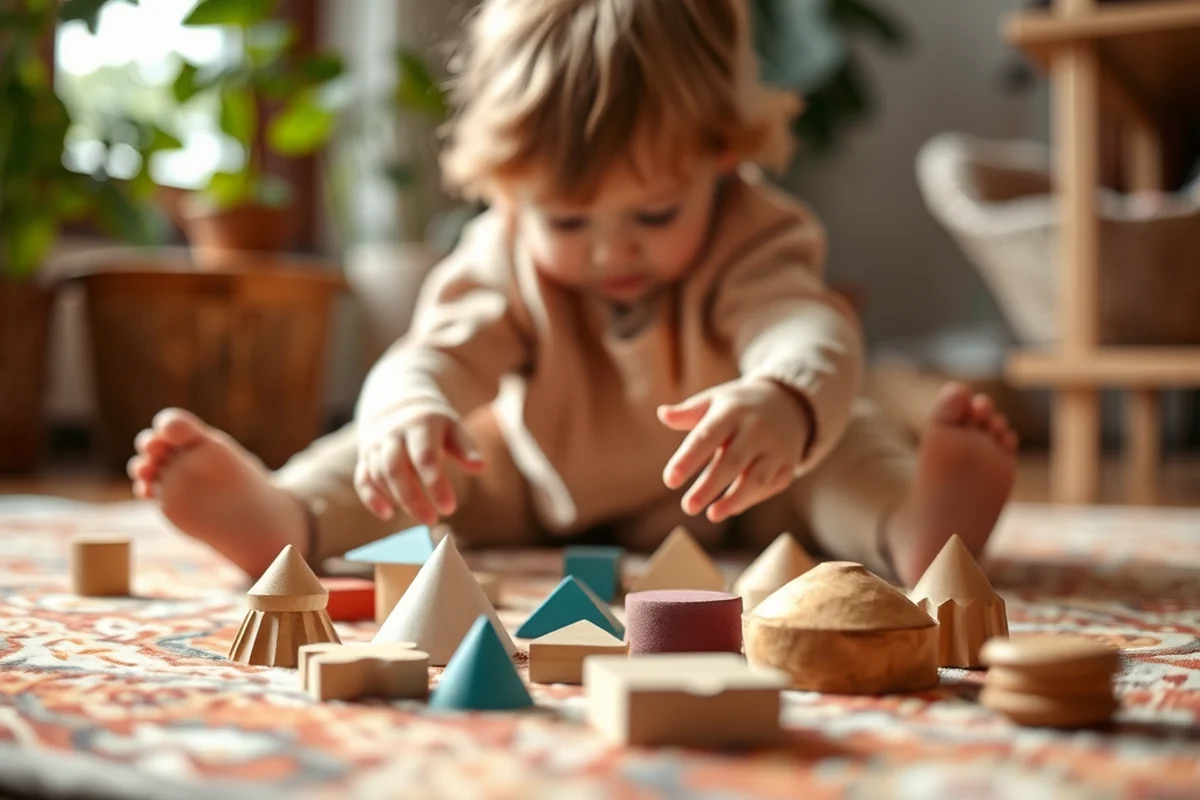
I introduced simple, open-ended materials like wooden blocks, puzzles, and sorting trays. These items allowed my child to explore shapes, colors, and patterns without being told what to do.
One of the most impactful activities was using a small watering can and plants. He learned about responsibility, caring for life, and the cycle of growth — all while having fun.
I found that allowing him to explore freely and without constant supervision led to deeper learning and a sense of discovery. He was more engaged and more curious when he had the freedom to choose his activities.
Invest in simple, natural materials like wooden blocks, wooden puzzles, or fabric scraps. These items are durable, safe, and encourage creativity and problem-solving in your child.
“I remember the day my son, then three, tried to put on his own shoes in the middle of a grocery store aisle.”— Thetraylife editors
Related: How to montessori at home schedules
The Power of Observation and Reflection
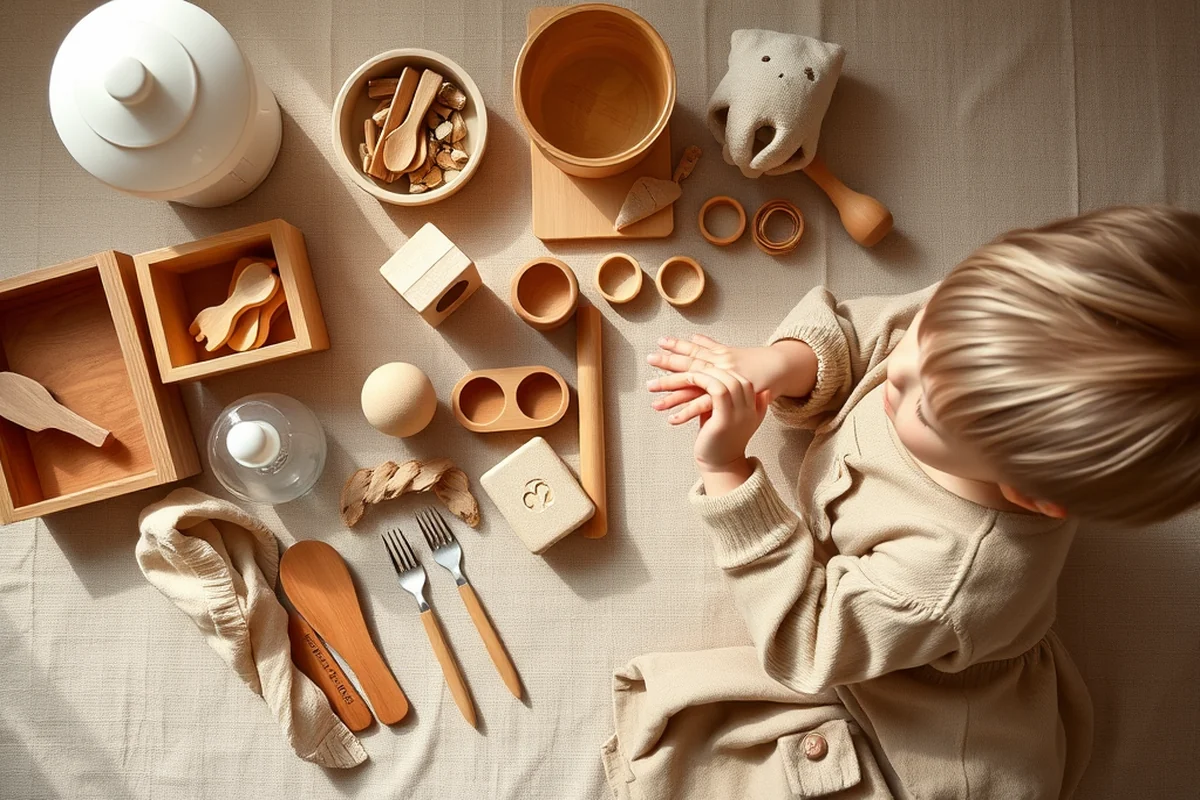
I made it a habit to sit back and watch my child during his activities. I noticed that he was more engaged when he could complete a task without interruptions. This taught me the importance of allowing him time to focus and explore.
I also kept a simple journal where I wrote down his progress and any observations I made. This helped me track his development and adjust our routines as needed.
Reflection also helped me see where I could improve. For example, I realized that I sometimes interrupted his play without realizing it, and I made a conscious effort to let him work through challenges on his own.
Related: Montessori at home routines mistakes to avoid
The Value of Patience and Consistency
It took a few weeks before my child started to show consistent behavior in his routines. There were days when he resisted, and other days when he embraced the tasks with enthusiasm.
I found that staying consistent with the routines helped him build a sense of security and predictability. Even on days when he was not in the mood, I stuck to the schedule, and slowly, he began to adapt.
Over time, he became more confident in his abilities and more independent in his daily tasks. The consistency in our approach was a critical factor in this transformation.
🍃 Gentle Montessori
A low-pressure, flexible approach that allows your child to explore at their own pace with minimal intervention.
🚀 Fast-Track Montessori
A streamlined version that introduces key Montessori principles quickly through simple, focused activities.
🧳 Travel/On-the-Go Montessori
A portable version of Montessori that can be practiced anywhere, using items you already have with you.
👶 Montessori for Multiples
A version tailored for families with more than one child, focusing on shared tasks and independent exploration.
🔄 Montessori Regression Reset
A way to reintroduce Montessori routines after a period of inactivity, helping your child regain independence and confidence.
| The mistake | Why it happens | The fix |
|---|---|---|
| Trying to control every aspect of the routine | This can create stress for the child and make the Montessori approach feel restrictive rather than empowering. | Let your child lead the way. Follow their interests and give them the freedom to explore at their own pace. |
| Using too many materials at once | This can overwhelm the child and prevent them from focusing on one task at a time. | Introduce one or two materials at a time and observe your child’s engagement before adding more. |
| Not being consistent with routines | Consistency helps children feel secure and understand what is expected of them. | Create a simple daily schedule and stick to it, even on busy days. |
| Focusing too much on the end goal rather than the process | This can make the child feel pressured and discourage exploration and creativity. | Celebrate the process, not just the outcome. Encourage curiosity and allow your child to learn through trial and error. |
Related: Montessori at home routines for small spaces
Easy Montessori At Home Routines
Related: Montessori at home routines schedules printable
Incorporating Nature and the Outdoors into Montessori Routines
Integrating nature into your home and daily routines can enhance your child’s sensory development and connection to the world.
To keep things practical and simple, I’ve created a few nature-based routines that are easy to implement and maintain. We take a walk every morning, and we collect a few items to bring back home for our nature table. This has become a beloved part of our day, and my daughter looks forward to it every morning. We also have a small garden where she helps plant seeds and care for the plants, which has become a source of pride and joy for her.
I also use nature to teach my daughter about the changing seasons. We talk about how the weather changes and what that means for the plants and animals in our backyard. I’ve found that these conversations help her develop a deeper understanding of the world around her and a greater sense of curiosity. I make sure to let her lead the discussions and ask questions, which encourages her to think critically and explore on her own.
Overall, incorporating nature into our Montessori routines has been one of the most rewarding aspects of our journey. It has brought a sense of calm and purpose to our daily lives, while also supporting my daughter’s development in meaningful ways. I believe that nature has a unique ability to teach, inspire, and connect us to the world, and I’m grateful for the opportunities it has given us.
Integrating Practical Life Skills into Everyday Moments
Integrating practical life skills into everyday moments helps children build confidence and independence through routine tasks.
I started incorporating practical life activities into our daily routine by setting up a small kitchen area with child-sized utensils and a mini sink. My 4-year-old now helps prepare simple snacks, like cutting fruit with a plastic knife or pouring juice into a cup. It took about a week for him to feel comfortable, but now he does this independently most days. These tasks not only teach fine motor skills and coordination but also help him understand the value of contributing to household tasks.
Common Questions
How can I start implementing Montessori routines without a lot of time or money?
What if my child is not interested in the activities I offer?
How long does it take to see results from Montessori routines at home?
Can Montessori routines be used for younger children, like toddlers?
References
- Culturally Relevant Education and the Montessori Approach: - ERIC (files.eric.ed.gov)
Cite this guide
Thetraylife (2026). Creating Easy Montessori Routines at Home for Toddlers. https://thetraylife.com/easy-montessori-at-home-routines/
Feel free to cite or share this guide.
Montessori Tray Idea Generator
Age-filtered Montessori tray ideas from household items.
Open it free →