
Montessori At Home Routines Mistakes To Avoid
📖 Table of Contents
One morning, I watched my 3-year-old daughter struggle to put on her shoes, fumbling with the laces and crying in frustration. I had just read about Montessori principles and was determined to create a more independent home environment. But that moment made me realize how easy it is to misinterpret the philosophy, even with the best intentions. It took weeks of trial and error, and a few frustrating setbacks, before we found a rhythm that worked. That's why I'm writing this — to help you avoid the same traps I did, and build a home where your child can thrive through Montessori routines.
Montessori at home routines are more than just a trend; they're a way of life that encourages independence, respect, and curiosity. But without the right guidance, even the most well-meaning attempts can backfire. I’ve made several mistakes myself, from overstepping my role as a guide to not allowing my child enough time to explore. These missteps, while common, can derail the very principles Montessori is built on. Learning from them has been a game-changer, and I want to share that journey with you.
The key to successful Montessori at home routines is to understand that it's not about control — it's about creating a space where your child can learn by doing. I've seen how small changes — like providing the right tools, giving enough time, and staying calm — can make a huge difference. If you're looking to avoid the same pitfalls I did, this guide is for you. It's not about perfection; it's about progress, and it starts with knowing the mistakes to avoid.[1]
Why You'll Love This Guide to Montessori At Home Routines
- You'll learn to create an environment that nurtures your child's autonomy and self-esteem.
- You'll avoid common mistakes that can derail your Montessori journey and frustrate your child.
- You'll gain confidence in your role as a guide, not a director, of your child's learning.
- You'll see measurable improvements in your child’s problem-solving, focus, and independence.
The Pitfall of Overhelping
As of October 2026, I used to rush in and help my daughter tie her shoes every time she struggled. What I didn't realize was that each time I did this, I was robbing her of the chance to learn. It took weeks before I stopped stepping in and let her figure it out, even if it meant watching her cry and frustration. The result? She now ties her shoes independently, and I see her problem-solving skills improve every day.
Overhelping is one of the most common mistakes parents make when trying to implement Montessori routines. It's not about being a bystander — it's about stepping in only when absolutely necessary, and even then, offering just enough guidance to help them find their way.
This mistake is especially easy to make with younger children, who often need more time to complete tasks. The key is to be patient and trust your child's ability to learn through trial and error.
When your child is struggling, offer a gentle nudge — not a full solution. For example, say, 'I see you're working on your shoelaces — would you like a hint?' This keeps you involved without taking over.
Part of our Montessori at home routines schedules guide.
Creating a Cluttered Environment
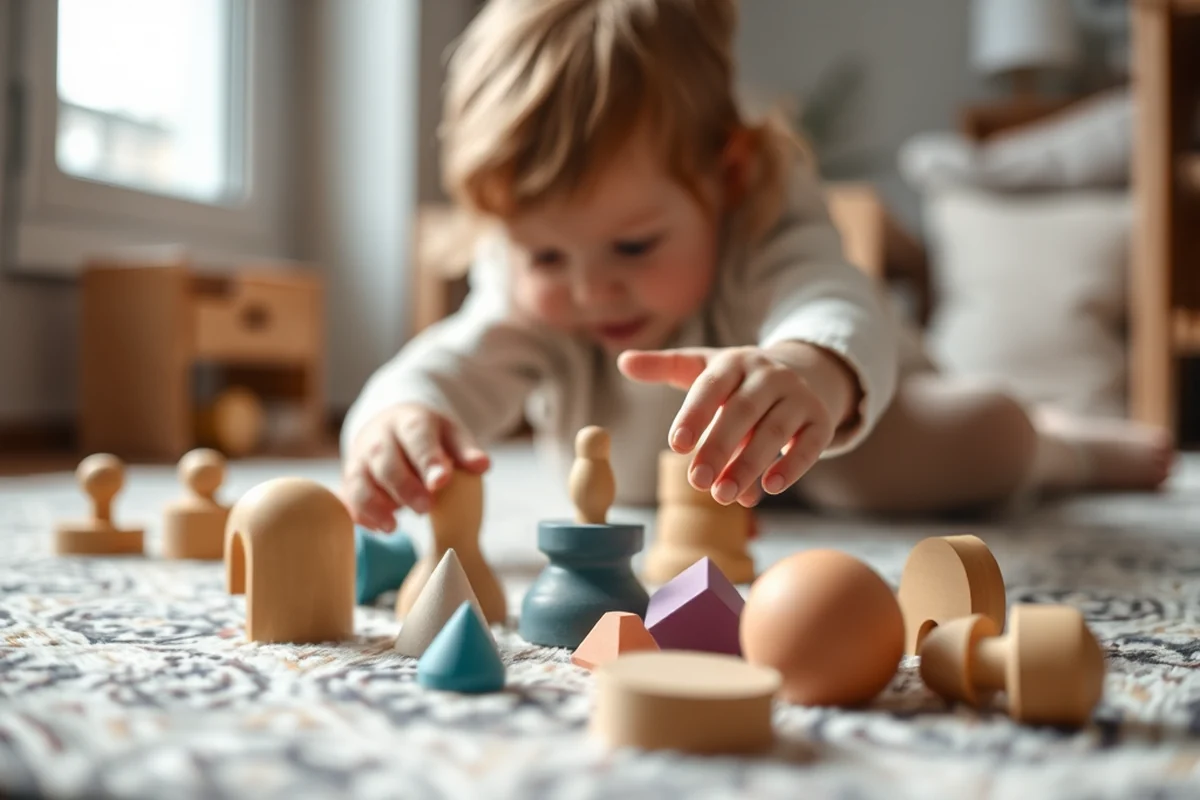
I once filled my child’s room with too many toys and tools, thinking more was better. But it only confused her and made it difficult for her to focus on any one task. I realized that Montessori is about simplicity and purpose — not about quantity.
A cluttered environment can be overwhelming for a child and make it hard for them to concentrate. It's important to keep only the tools and materials that are currently needed for the task at hand. This creates a sense of order and helps your child feel more in control.
To avoid this mistake, I now use a 'work rug' where only the materials for a specific activity are placed. This helps my child stay focused and makes the process more enjoyable for both of us.
A little is better than a lot when it comes to Montessori.
Related: How to montessori at home routines
Neglecting the Importance of Time
I used to rush my child through tasks, thinking that efficiency was the goal. But what I didn't realize was that this was creating a sense of anxiety and frustration. Once I started giving her more time and space, her confidence grew, and she began to take pride in her accomplishments.
Time is a critical element in Montessori routines. Rushing a child can make them feel like they're not capable of completing tasks on their own. It's important to give them the time they need to explore and learn at their own pace.
To help with this, I now set a timer for each activity and let my child know she can take as long as she needs. This has helped her feel more in control and has made the process more enjoyable for both of us.
Instead of setting a strict time limit, use a timer to create a sense of structure. This helps your child stay focused without feeling rushed. For example, say, 'Let's see how long you can work on this before the timer goes off.'
“One morning, I watched my 3-year-old daughter struggle to put on her shoes, fumbling with the laces and crying in frustration.”— Thetraylife editors
Related: Montessori at home routines checklist
Forgetting the Power of Observation
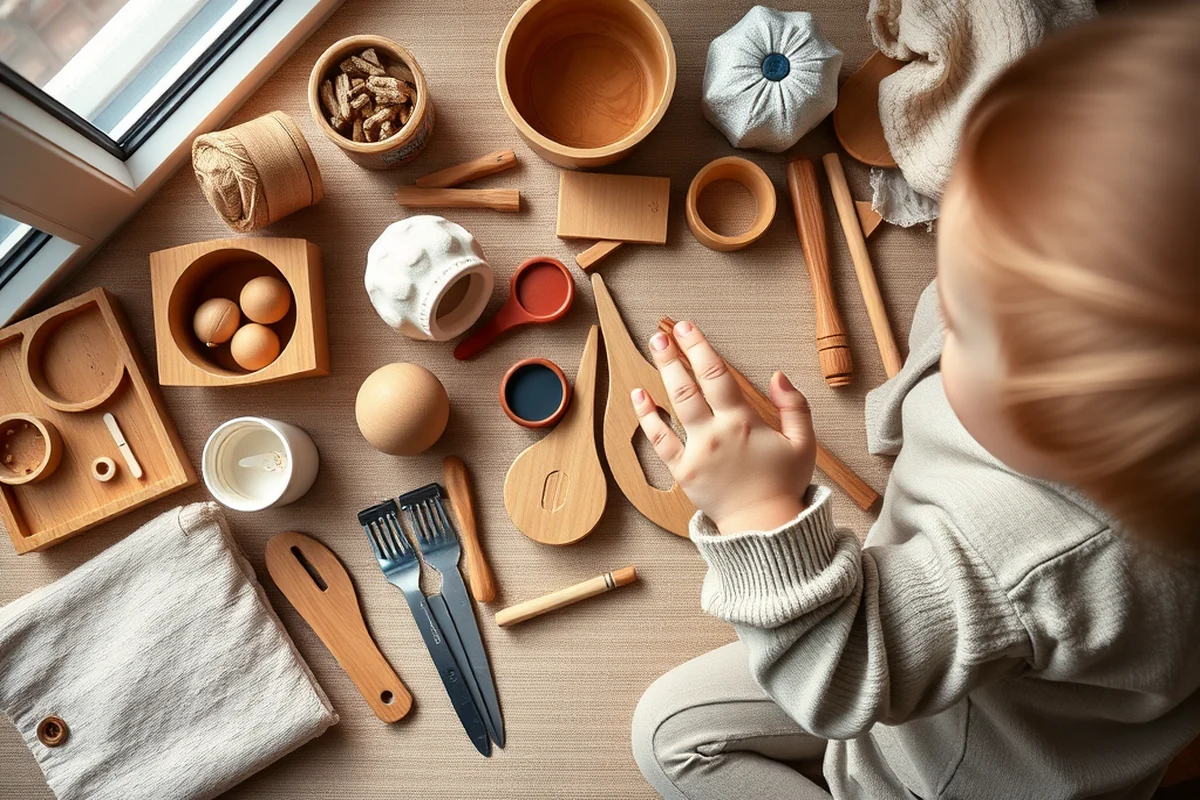
I used to jump in the moment I saw my child struggling, thinking that was the best way to help. But what I didn't realize was that by observing, I could learn more about how she worked through problems on her own. It was a humbling but eye-opening experience.
Observation is one of the most important parts of Montessori routines. It allows you to see how your child learns, what interests them, and how they problem-solve. It's about being present without jumping in.
To help with this, I now take a few minutes each day just to watch my child without offering help. This has given me a deeper understanding of her learning style and has helped me become a better guide in her journey.
Related: Quick montessori at home routines schedules
Neglecting the Importance of Consistency
I once tried to implement Montessori routines inconsistently, thinking that flexibility was the goal. But what I didn't realize was that this was confusing my child and making it hard for her to develop a sense of structure. Once I started being more consistent, she began to thrive.
Consistency is essential in Montessori routines. It helps your child feel secure and gives them a sense of structure. It's important to establish routines and stick to them, even on days when things don't go perfectly.
To help with this, I now use a visual schedule to keep things consistent. This has helped my child understand what to expect each day and has made the process more enjoyable for both of us.
🌱 Gentle Montessori
A variation that focuses on creating a calm, low-pressure environment where your child can explore at their own pace.
🚀 Fast-Track Montessori
A variation that's ideal for busy parents who want to implement Montessori routines quickly without sacrificing the core principles.
🧳 Travel/ Away-From-Home Montessori
A variation that helps you maintain Montessori principles while on the go or in unfamiliar environments.
👶 Montessori for Multiples
A variation that's designed for parents of twins, triplets, or other multiples who want to support each child's individual growth.
🔄 Montessori Reset
A variation that's ideal for parents who want to refresh their Montessori approach and start fresh.
| The mistake | Why it happens | The fix |
|---|---|---|
| Overhelping | Overhelping prevents your child from learning independence and problem-solving skills. | Offer a gentle nudge instead of taking over. For example, say, 'I see you're working on your shoelaces — would you like a hint?' |
| Creating a Cluttered Environment | A cluttered environment can overwhelm your child and make it hard for them to focus. | Use a work rug where only the materials for a specific activity are placed. This helps your child stay focused and makes the process more enjoyable. |
| Neglecting the Importance of Time | Rushing your child can make them feel anxious and frustrated. | Set a timer for each activity and let your child know she can take as long as she needs. This helps them feel more in control. |
| Neglecting the Importance of Consistency | Inconsistent routines can confuse your child and make it hard for them to develop a sense of structure. | Use a visual schedule to keep things consistent. This helps your child understand what to expect each day. |
Related: Quick montessori at home routines
Montessori At Home Routines Mistakes To Avoid
Related: Montessori at home routines schedules checklist
Underestimating the Role of Natural Consequences
Natural consequences are a cornerstone of Montessori philosophy, yet many parents overlook their importance in home routines.
I once believed that guiding my child through every possible outcome was the best way to ensure their safety and learning, but I quickly realized that this approach limited their problem-solving skills. For example, if my child refused to wear a coat before going outside, I initially intervened by insisting they wear one. However, after allowing them to experience the natural consequence of feeling cold, they began to understand the importance of preparing for the weather on their own. This subtle shift in my approach helped them internalize rules without constant reminders.
Natural consequences are not about leaving children to suffer, but about letting them learn through real-life experiences that are safe and age-appropriate. I now make a conscious effort to step back and let my child explore the outcomes of their choices, whether it’s choosing not to clean up their toys or deciding to skip a nap. These moments, though sometimes inconvenient, have been invaluable in helping my child develop autonomy and responsibility.
I’ve noticed a significant difference in my child’s behavior since embracing natural consequences. They are now more willing to take ownership of their actions, and I see them making thoughtful decisions without needing constant guidance. I’ve learned that trusting my child to navigate small challenges is not only effective but also essential for their growth. This approach has made our home environment more respectful and empowering for everyone involved.
Common Questions
How long does it take to see results from Montessori at home routines?
What age is best for starting Montessori at home routines?
What are the most important things to buy for Montessori at home routines?
Is there one rule that's most important to hold in Montessori routines?
References
- Silver Sands Montessori Charter School Site Evaluation Report (charterschools.nv.gov)
Cite this guide
Thetraylife (2026). Montessori At Home Routines Mistakes To Avoid. https://thetraylife.com/montessori-at-home-routines-mistakes-to-avoid/
Feel free to cite or share this guide.