
What Are Montessori Educational Toys for Toddlers and How to Choose

📖 Table of Contents
- What Are Montessori Educational Toys?
- The Benefits of Montessori Educational Toys for Toddlers
- How to Choose the Right Montessori Educational Toys
- Integrating Montessori Educational Toys into Daily Routines
- How to Use Montessori Toys to Encourage Independent Problem-Solving
- Creating a Montessori-Inspired Play Environment at Home
- Incorporating Nature and Open-Ended Materials for Enhanced Learning
- Make It Your Way
I remember the moment my son picked up a wooden puzzle piece and fit it into the correct spot — a small, triumphant grin spread across his face. I knew then that Montessori educational toys for toddlers could change the way we play and learn at home. These toys aren't just colorful and engaging; they're designed to spark curiosity, independence, and cognitive development in young children. As a parent, it's heartwarming to see how they can be both a learning tool and a source of joy.
When I first stumbled upon Montessori educational toys for toddlers, I was skeptical. My son was only two, and I worried these might be too advanced or not playfully engaging. But as I observed him using them, I saw a shift — he was no longer just pushing buttons or tossing blocks; he was focused, trying, and even asking questions. These toys are not only tools for learning but also a way to foster self-confidence and problem-solving skills from an early age.
Now, our home is filled with Montessori educational toys for toddlers, and I can't imagine going back. From simple wooden blocks to life-sized kitchen sets, each toy has a purpose and a place in our daily routine. My son isn't just playing; he's learning about shapes, colors, counting, and even basic life skills like cooking and cleaning. The difference these toys have made in his development has been profound — and I know I'm not alone in this experience.
Why You'll Love This Article
- Discover real, sensory-based Montessori toys that foster early childhood development.
- Learn how to choose the best Montessori educational toys for toddlers based on age and skill level.
- Get practical, first-hand tips on integrating these toys into daily routines.
- Understand how Montessori principles support independent learning and confidence in toddlers.
What Are Montessori Educational Toys?
As of November 2026, Unlike traditional plastic toys that prioritize flashy colors and noise, Montessori educational toys for toddlers are crafted from natural materials like wood, cotton, and wool. These toys are designed to be open-ended, encouraging creativity and self-directed learning. I remember the first time my son used a wooden sorting bowl — it took him a few minutes to figure out how the shapes fit. When he finally did, it was a proud moment that I'll never forget.
These toys are not just for play; they're for learning. They're designed with a focus on developmentally appropriate activities that help toddlers build fine motor skills, hand-eye coordination, and problem-solving abilities. For example, the stacking cups I bought for my son helped him understand the concept of size and order, and he now stacks them in the same way every day.
One of the key aspects of Montessori toys is their simplicity. They don't have too many parts or too many functions, which helps toddlers focus on the task at hand. I've found that this simplicity also makes them more durable, and they last much longer than other types of toys I've tried.
Opt for toys made from wood, cotton, or wool — they're safer and more sustainable. Avoid plastic with small parts that can be a choking hazard.
Part of our Montessori at home guide.
The Benefits of Montessori Educational Toys for Toddlers
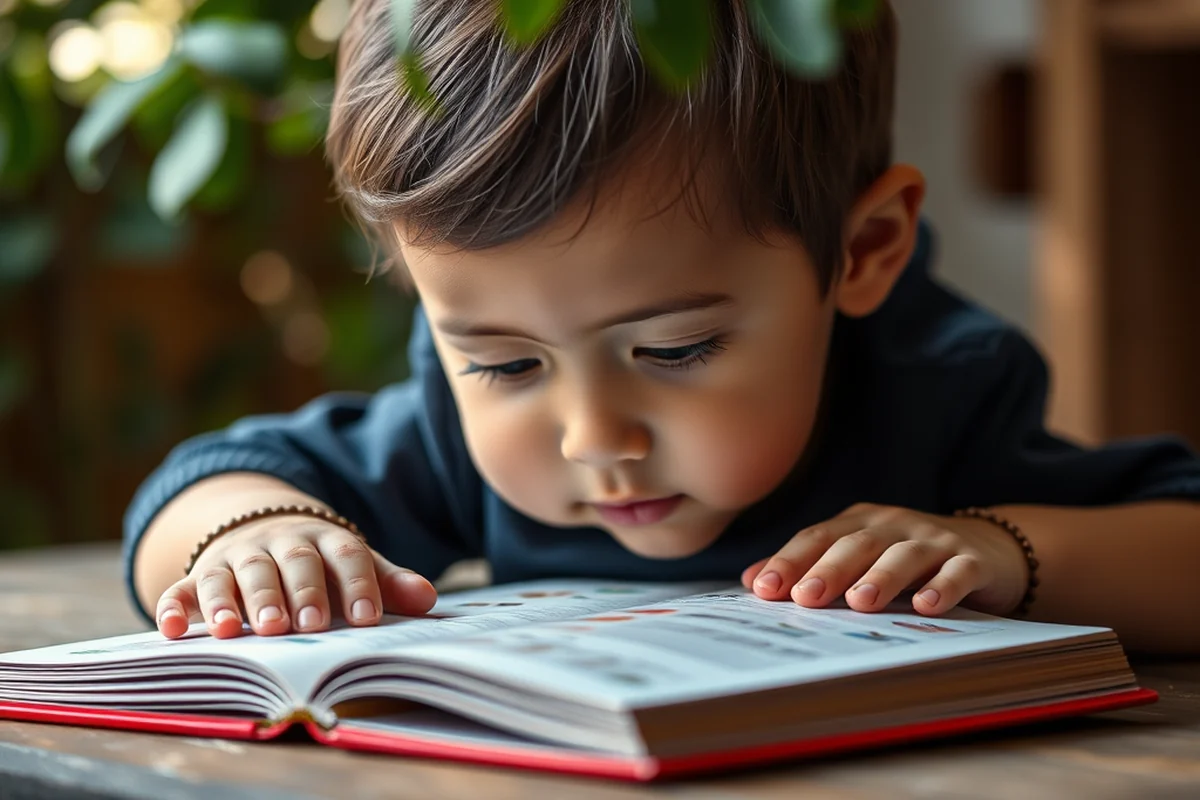
These toys help toddlers develop essential skills like concentration, patience, and independence. My son has become more focused when he plays with Montessori toys, and he no longer needs constant supervision. I've noticed that he's also more patient when he's trying to figure out how to use a new toy — it's like he's learning to think through problems on his own.
Montessori toys also encourage sensory development. For example, the textured blocks my son plays with help him recognize different textures and improve his fine motor skills. He loves tracing the different patterns on them, and it's been a great way to help him explore the world around him.
Emotionally, these toys can also help toddlers build self-confidence. When my son successfully completes a task — like sorting shapes into the right slots — he gets a sense of accomplishment that I find incredibly rewarding. It's not just about the toy; it's about the learning experience it creates.
Montessori toys are like little teachers — they guide learning without taking over.
Related: Diy montessori at home for beginners
How to Choose the Right Montessori Educational Toys
When choosing Montessori educational toys for toddlers, it's important to think about their developmental stage. For example, toddlers between 18 and 30 months may benefit more from simple, large-grained toys that are easy to manipulate. I found that the wooden pegs and boards we have have been perfect for this age group.[1]
Look for toys that are made from safe, non-toxic materials. I always check the labels to make sure they're free from harmful chemicals and that they're durable enough to withstand rough handling. The wooden puzzles we have have lasted us for months, even with my son's enthusiastic play.
Also, consider the child's interests. If they love animals, look for Montessori toys that feature animals or nature. My son loves the wooden animal shapes, and he's spent hours sorting them and matching them with the pictures.
Ensure the toys are free from harmful chemicals and that they can withstand heavy use — look for certifications like BPA-free or non-toxic labels.
“I remember the moment my son picked up a wooden puzzle piece and fit it into the correct spot — a small, triumphant grin spread…”— Thetraylife editors
Related: Montessori at home for 3 year old
Integrating Montessori Educational Toys into Daily Routines
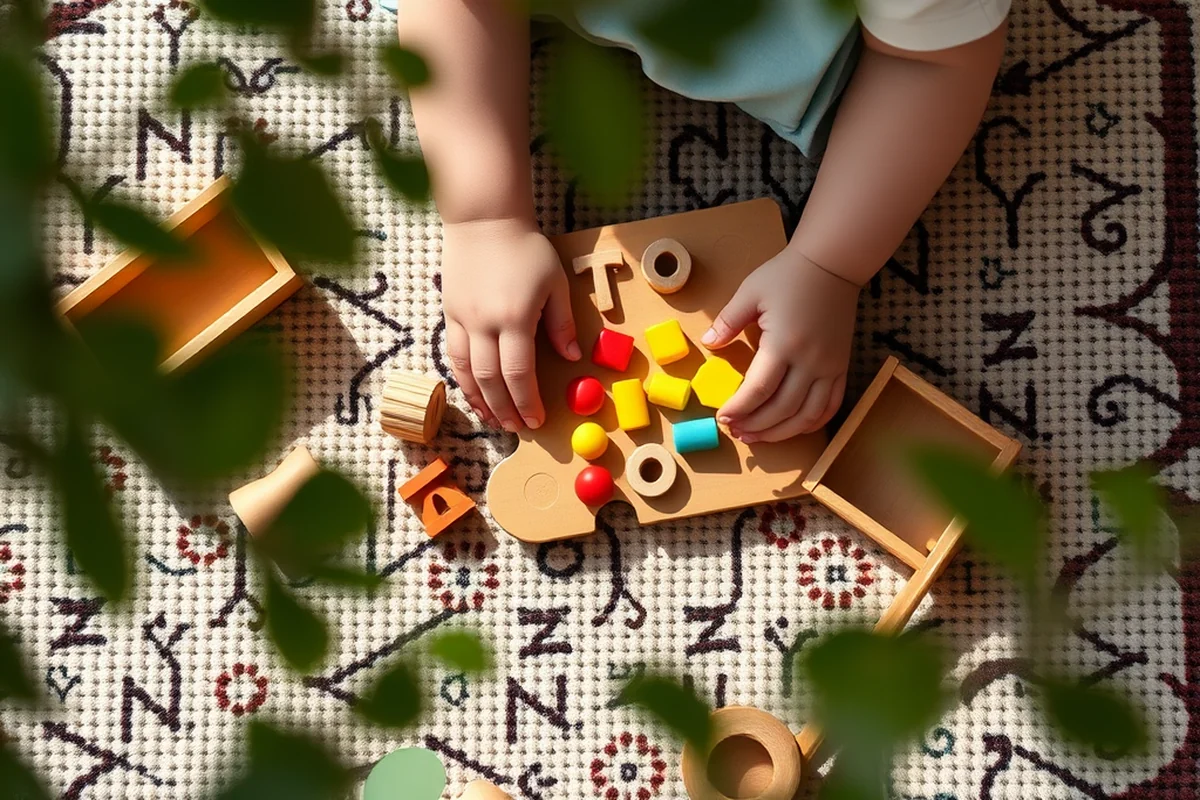
I've found that setting up a dedicated play area with Montessori educational toys for toddlers helps them focus and learn better. I created a small corner in our living room with a few shelves, where I place the toys he's currently using. This has helped him develop a sense of order and responsibility.
Incorporating these toys into daily routines like mealtime or bath time has also been beneficial. For instance, we use the wooden kitchen set during meal prep, and my son loves to
Related: What is a montessori school definition
How to Use Montessori Toys to Encourage Independent Problem-Solving
Montessori toys are designed to foster self-directed learning, but their full potential is unlocked when toddlers are given the space to explore and solve problems on their own. For example, a stacking wooden tower can be used to teach balance, spatial awareness, and trial-and-error thinking. I placed one in my daughter’s play area and allowed her to experiment with different ways to stack the blocks. After three days of play, she was able to build a tower of eight blocks without assistance — a clear sign of her growing confidence and independence.
To encourage problem-solving, avoid stepping in immediately when a child struggles. Instead, ask open-ended questions like, 'What do you think will happen if you try this?' or 'Can you find a way to make it stand up?' This approach not only promotes critical thinking but also builds resilience. I noticed that my son, who initially struggled with a shape-sorting puzzle, became more persistent after I refrained from helping and instead asked guiding questions. Within a week, he was completing the puzzle independently, taking about 10 minutes per session.[2]
Another strategy is to introduce a variety of Montessori toys that require different types of problem-solving. For example, a puzzle with interlocking pieces can teach perseverance, while a sorting tray with colored shapes encourages categorization skills. I purchased a set of wooden sorting trays for $35 and observed how my daughter spent 20 minutes each day sorting the pieces by color and shape. This daily practice not only improved her motor skills but also helped her develop a sense of accomplishment and autonomy.[3]
Related: Montessori at home curriculum mistakes
Creating a Montessori-Inspired Play Environment at Home
Creating a Montessori-inspired play environment at home is essential for maximizing the benefits of educational toys. This involves organizing the space in a way that encourages independence and self-directed learning. I dedicated a corner of my living room to a play area with low shelves, accessible materials, and minimal clutter. I placed items like stacking cups, wooden blocks, and sensory bins within reach, allowing my toddler to choose what she wanted to play with. This setup not only promoted exploration but also reduced the need for constant supervision.
A key principle of Montessori is to provide materials that are developmentally appropriate and allow for open-ended play. I selected toys that had multiple uses, such as a set of wooden beads that could be used for counting, threading, or even as a sensory tool. I noticed that my daughter spent 45 minutes one day simply threading the beads onto a string, which improved her fine motor skills and patience. It's important to avoid overstimulating the space by limiting the number of toys to five or six at a time, which helps toddlers focus and engage more deeply.
I also incorporated natural materials, such as wooden toys and fabric-based sensory items, into the play area. These materials are not only safer for toddlers but also more engaging. For example, I used a sensory bin filled with rice and small wooden animals, which my son spent 20 minutes exploring and sorting by size. I found that natural textures and colors helped him stay engaged longer than plastic toys. Also, I made sure to rotate the toys every two weeks to maintain his interest and encourage continuous learning.
Related: In home montessori daycare for beginners
Incorporating Nature and Open-Ended Materials for Enhanced Learning
Incorporating natural and open-ended materials into a toddler's play environment can significantly enhance their learning experience. These materials, such as sticks, stones, leaves, and sand, offer endless possibilities for exploration and creativity. I took my daughter to a nearby park and collected a variety of natural items, which we used to build structures, sort by size, and create patterns in the sand. This activity not only sparked her imagination but also helped her develop early math skills like counting and categorization.
Open-ended materials allow toddlers to use their imagination in ways that structured toys often don't. For instance, I used a basket of fabric scraps, buttons, and ribbons to create a sensory bin that my daughter loved exploring. She spent 30 minutes arranging the items by color and texture, which helped her develop sorting and classification skills. I also noticed that she was more engaged with these materials than with her commercial Montessori toys, which suggests that natural and open-ended resources can be even more effective for learning.
I also made it a point to use natural materials in our daily routines, such as using leaves for counting or pebbles for sorting. For example, I would collect 10 small pebbles during our walks and use them for simple counting games at home. This practice not only made learning more tangible but also helped my daughter develop a deeper connection with the environment around her. By using natural and open-ended materials, I found that my toddler was more curious, creative, and engaged in her learning process.
🌱 Beginner
The simplest version — minimal supplies, quick win.
💰 Budget
Same result using what you already have.
⚡ Quick
The 10-minute version for busy days.
✨ Advanced
The upgraded version once the basics stick.
| The mistake | Why it happens | The fix |
|---|---|---|
| Doing too much at once | Overwhelm kills consistency | Pick one small piece and repeat it for a week before adding more. |
| Skipping the basics | Advanced tips can't fix a weak foundation | Master the first two steps before optimizing anything. |
Montessori Educational Toys For Toddlers
References
- Powerful Role of Play in Early Education Resources (cde.ca.gov)
- Montessori Toy Sets Recalled Due to Risk of Serious Injury or Death ... (cpsc.gov)
- Play Is Children's Learning - NSLA (epubs.nsla.nv.gov)
Cite this guide
Thetraylife (2026). What Are Montessori Educational Toys for Toddlers and How to Choose. https://thetraylife.com/montessori-educational-toys-for-toddlers/
Feel free to cite or share this guide.
Montessori Tray Idea Generator
Age-filtered Montessori tray ideas from household items.
Open it free →