
Beginner in Home Montessori Daycare: Tips and Practical Advice

📖 Table of Contents
- Starting with the Right Mindset
- Creating a Montessori-Friendly Environment
- The Importance of Practical Life Skills
- Handling the Challenges of Running a Home Daycare
- The Role of the Caregiver in Montessori Education
- Building a Community of Parents and Caregivers
- The Long-Term Benefits of a Montessori Home Daycare
- Make It Your Way
- Frequently Asked Questions
When I first considered starting a home Montessori daycare, I had no idea how much it would change my life. I was a stay-at-home mom of two, juggling toddler tantrums and a part-time job, and the idea of transforming my home into a space for other children seemed like a dream. But after a few months of trial and error, I found a rhythm that was both fulfilling and manageable. The keyword 'beginner in home Montessori daycare' isn’t just a phrase—it’s a path that I walked, and one that many others are taking now. (1391163, data.texas.gov)[1]
The journey didn’t start with a grand plan or a perfect setup. It started with a small room, a few carefully chosen materials, and a lot of patience. As a beginner in home Montessori daycare, I learned that the most important thing isn’t the number of toys or the size of the space, but the intention behind everything. I had to unlearn so much of what I thought I knew about parenting and reframe my approach to be child-led, respectful, and intentional.
What surprised me most was the clarity that came with it. When I let go of the need to control every moment and instead gave children the freedom to explore, I noticed a shift. My own stress levels dropped, and the children in my care became more independent, curious, and confident. If you're a beginner in home Montessori daycare, know that it’s not about being perfect—it’s about showing up with love and purpose, and letting the process unfold.
Why You'll Love This Home Montessori Approach
- Children learn through active, hands-on engagement with their environment.
- You gain a deep understanding of child development and self-directed learning.
- Your home becomes a peaceful, intentional space that supports growth and independence.
- You can earn income while staying close to your family and building a meaningful career.
Starting with the Right Mindset
As of November 2026, the first thing I realized was that being a Montessori caregiver isn’t about teaching—it’s about guiding. It requires a complete shift in thinking, from telling children what to do to observing and offering support when they’re ready. I had to let go of the urge to correct, to direct, and to intervene. That was the hardest part at first, but it was also the most transformative.
I started by reading books by Maria Montessori and watching videos of Montessori classrooms. I learned that the goal wasn’t to create a perfect environment, but one that was prepared and responsive to the children’s needs. I bought a few key materials and set up a space that was low to the ground, with accessible shelves and natural light. It didn’t look like a classroom, but it felt right.
It took me about three days to feel like I was in a rhythm. I had two children in my care, both 18 months old, and I spent most of the first day just watching them. I noticed how they explored the space, how they interacted with each other, and how they responded to the materials I had chosen. It was both humbling and inspiring.
Begin with a small group of children and spend time observing their natural rhythms. This will help you create a more responsive and effective environment.
Part of our Montessori at home guide.
Creating a Montessori-Friendly Environment
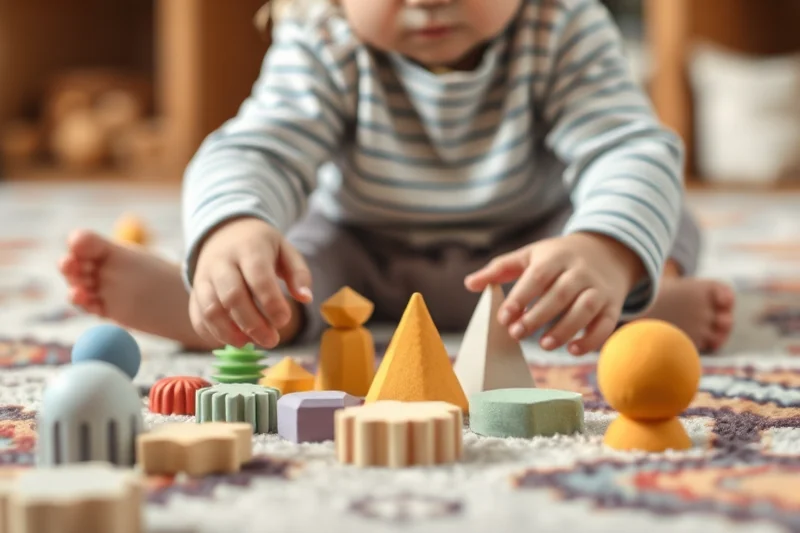
I learned that the key to a Montessori environment is not the number of toys, but the quality of the materials. I invested in wooden puzzles, stacking cups, and practical life materials like small cloths and real kitchen tools. Everything was placed at the children’s eye level so that they could access it easily without needing help.
I also made sure the space was quiet, calm, and free from distractions. No screens, no loud music, just natural light and the sounds of children exploring. I created a morning routine that included a few minutes of circle time, followed by free exploration. I noticed that the children were more focused and engaged when they had structure, but also more creative when they had freedom.
One of the most important things I did was to declutter the space. I kept only the materials that were developmentally appropriate and allowed the children to choose what they wanted to work on. This helped them develop a sense of autonomy and decision-making skills.
Let the environment speak for itself—it’s the most powerful teacher of all.
Related: How montessori school
The Importance of Practical Life Skills
Practical life activities like pouring water, sweeping the floor, and dressing themselves are not just fun—they’re essential. They teach children how to take care of themselves and their environment. I was amazed at how quickly my students picked up on these tasks once they were given the opportunity to do them.
I set up a small table with a watering can, a sponge, and a small bucket of water. The children loved helping me water the plants in the corner of the room. It was a simple activity, but it gave them a real sense of purpose and responsibility.
I also introduced them to basic life skills like using a small broom to sweep the floor, which helped them understand the importance of cleanliness and teamwork. These activities not only kept them engaged but also helped them develop fine motor skills and coordination.
Make practical life skills a regular part of your daily routine. This helps children develop independence and a strong work ethic from an early age.
“When I first considered starting a home Montessori daycare, I had no idea how much it would change my life.”— Thetraylife editors
Related: Top montessori at home book
Handling the Challenges of Running a Home Daycare
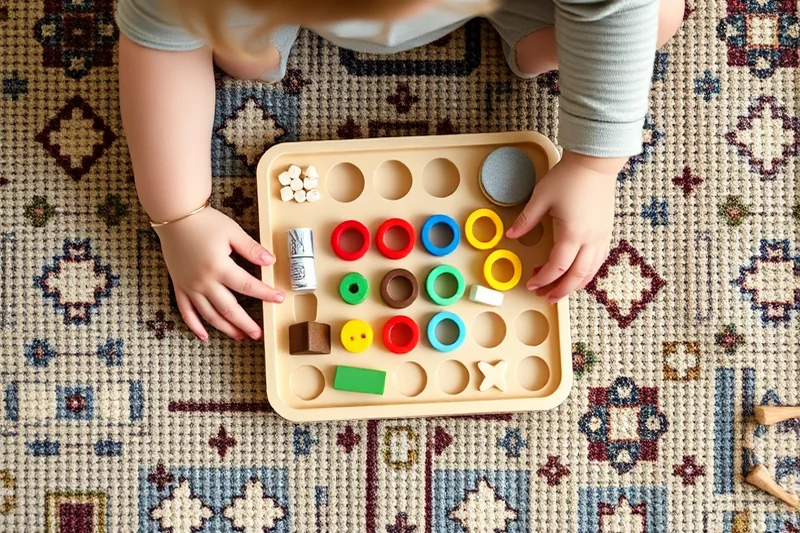
One of the biggest challenges I faced as a beginner in home Montessori daycare was managing the logistics of running a small business. I had to keep track of schedules, communicate with parents, and ensure that the children were safe and engaged. It was a lot to juggle at first, but I found that setting up a simple system helped me stay organized.
I used a shared Google Calendar to keep track of drop-off and pick-up times, and I created a Google Form for parents to submit their children’s needs and preferences. This made communication easier and more efficient. I also made sure to set clear boundaries, like no phone calls during drop-off or pick-up, to keep things running smoothly.
Another challenge was dealing with unexpected situations, like a child having a meltdown or a parent being late. I learned that having a backup plan was essential. I kept a few toys in reserve in case the main materials were taken, and I always had a plan for what to do if a parent was running late. These small steps made a big difference in keeping things on track.
Related: Affordable montessori at home for 3 year old
The Role of the Caregiver in Montessori Education
I used to think that being a Montessori caregiver meant being a teacher, but I quickly learned that it was more about being a guide. My job was to observe the children, understand their needs, and provide them with the right tools and support to learn on their own. This required a lot of patience and presence.
I made it a point to sit quietly and watch the children for long periods of time, even when they were playing. I noticed how they interacted with each other, how they solved problems, and how they made decisions. This helped me understand their individual strengths and weaknesses and tailor my approach accordingly.
I also learned that sometimes the best way to support the children was to step back and let them work through things on their own. It was tempting to jump in and help when they were struggling, but I found that giving them space to figure things out on their own was more beneficial in the long run.
Related: Easy montessori at home
Building a Community of Parents and Caregivers
I quickly realized that the success of my home daycare depended not just on the children, but also on the parents. Building a strong relationship with the parents was key to making sure that everyone was on the same page and that the children were getting the best possible care.
I started by hosting small parent meetings to introduce my philosophy and answer any questions they had. I made sure to communicate regularly through email and text, updating them on the children’s progress and sharing photos from the day. This helped build trust and create a sense of transparency.
I also encouraged parents to get involved in the daycare by sharing their own Montessori experiences or offering to help with small tasks. This created a sense of collaboration and made the parents feel like they were part of the process. It was a win-win for everyone.
The strongest Montessori environments are built on trust, communication, and collaboration.
Related: Affordable montessori at home book
The Long-Term Benefits of a Montessori Home Daycare
As a beginner in home Montessori daycare, I never expected to see the long-term effects of my work. But over time, I noticed that the children in my care were more confident, more independent, and more curious than ever before. They had a natural love for learning and a deep respect for their environment.
The children also developed a strong sense of responsibility and self-regulation. They learned how to manage their emotions, how to take turns, and how to solve problems on their own. These skills stayed with them even after they left my care, and I felt proud to have played a part in their development.
For me, the biggest benefit was the personal growth I experienced. I became a better parent, a better caregiver, and a better person. I learned the value of patience, presence, and intentionality. And I discovered a passion that I never knew I had—helping others while staying true to my own values.
🌿 Gentle Montessori
A relaxed, unhurried approach that focuses on building strong emotional connections and nurturing independence at a child's own pace.
⚡ Fast-Track Montessori
A structured, time-efficient method that emphasizes routine, clear boundaries, and quick transitions to keep young children engaged and focused.
✈️ Travel-Friendly Montessori
Designed for caregivers who are frequently on the move, this approach uses portable materials and flexible routines to maintain consistency even when on the go.
👶 Montessori for Multiples
Tailored for caregivers looking to support multiple children, this method includes strategies for managing groups, fostering peer learning, and creating a safe and inclusive environment.
🔄 Montessori for Regression Reset
Ideal for caregivers looking to reset a child's development through a structured, calming environment that encourages self-directed learning and emotional healing.
| The mistake | Why it happens | The fix |
|---|---|---|
| Trying to control the children’s every move | This can lead to frustration and resistance, as Montessori is all about allowing children to lead their learning process. | Instead, observe and support, offering help only when the child is ready for it. |
| Overloading the space with too many toys and materials | This can overwhelm the children and prevent them from focusing on specific tasks or developing a sense of autonomy. | Keep the environment simple and organized, with only a few materials available at a time to encourage focus and concentration. |
| Ignoring the importance of routine and structure | Children thrive on consistency and predictability, and without a clear structure, they may become confused or anxious. | Create a daily routine that includes clear transitions and time for both structured and unstructured activities. |
| Neglecting to communicate with the parents | Without open lines of communication, parents may feel disconnected from the daycare and unsure of what their child is learning. | Establish regular communication through emails, texts, or parent-teacher meetings to keep everyone informed and involved. |
Beginner In Home Montessori Daycare
Common Questions
How many children should I have in my home Montessori daycare?
What kind of training do I need to run a home Montessori daycare?
How do I handle discipline in a Montessori environment?
What materials are essential for a Montessori home daycare?
References
- HHSC CCL Daycare and Residential Operations Data (data.texas.gov)
Cite this guide
Thetraylife (2026). Beginner in Home Montessori Daycare: Tips and Practical Advice. https://thetraylife.com/beginner-in-home-montessori-daycare/
Feel free to cite or share this guide.
Montessori Tray Idea Generator
Age-filtered Montessori tray ideas from household items.
Open it free →