
Easy Montessori At Home For 3 Year Old
📖 Table of Contents
- Creating a Montessori-Friendly Environment
- Encouraging Independence Through Practical Life Activities
- Choosing the Right Materials for a Montessori Home
- Fostering Learning Through Nature and Sensory Experiences
- Supporting Language and Communication Through Montessori
- Make It Your Way
- Frequently Asked Questions
- The Printable Activity Plan
When my daughter turned three, I felt like I was starting over with her. The toddler tantrums had shifted into something more complex, and I found myself struggling to connect with her in a way that felt meaningful. I had heard about Montessori, but I didn't know where to begin. What I discovered was a gentle, empowering approach that brought clarity and joy to our daily life. Montessori at home for a 3-year-old doesn't require a lot of time or money — it's about creating an environment where she can explore, make choices, and grow at her own pace. I'm here to share how I made it work for my family.
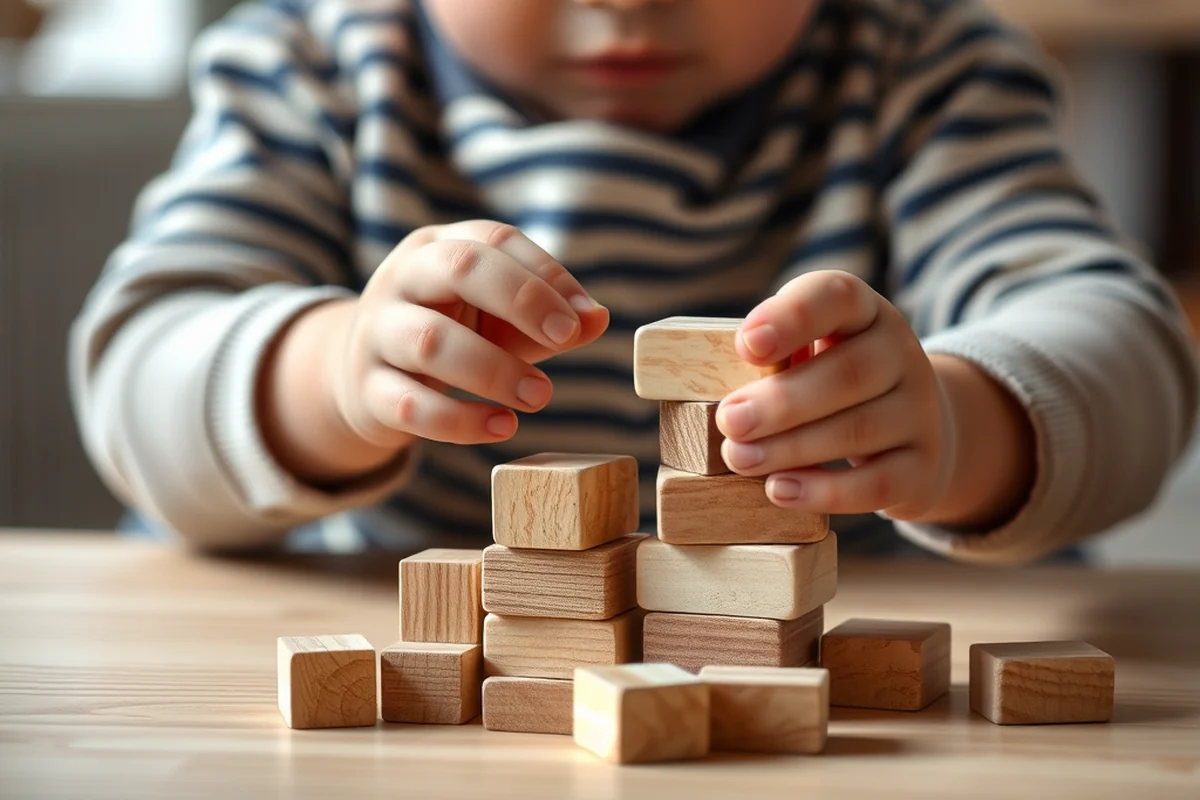
The first thing I realized was that Montessori at home for a 3-year-old isn't about turning your house into a classroom. It's about making small, thoughtful changes that support her independence and curiosity. I started by setting up low shelves with simple, accessible materials — wooden blocks, buttons, and stacking cups. Within days, she was selecting her own clothes and pouring water from one container to another. It felt like magic, but it was just the beginning. Every little choice she made helped her build confidence, and I felt more like a guide than a teacher.
As weeks turned into months, I saw a shift in her behavior and attitude. She was more patient, more curious, and less prone to meltdowns. Montessori at home for a 3-year-old became a way of life for us, not a task to complete. I learned to let go of the idea that everything had to be perfect or structured. Instead, I focused on creating a space that felt safe and inviting, where she could explore and learn in her own way. It's been a journey, but it's one that's brought us closer together and given her the tools to thrive.
Why You'll Love This Montessori At Home Approach
- It fosters independence and self-confidence in your child
- It's adaptable to your lifestyle without requiring major changes
- It simplifies daily routines and reduces behavioral challenges
- It creates a warm, engaging environment that supports learning and growth
Creating a Montessori-Friendly Environment
As of October 2026, the first step is to set up low shelves with materials that are safe and developmentally appropriate. I filled mine with wooden blocks, sorting trays, and practical life items like small containers and sponges. This helped my daughter learn how to clean up, pour water, and organize her toys. I made sure everything was within her reach, which encouraged her to take initiative.
I also created a dedicated space for her activities — a small table with a rug and a few chairs. It became her ‘work area,’ where she could focus on tasks without distractions. We added a simple light switch that she could reach, which gave her a sense of control and responsibility.
One of the most important changes I made was to simplify our home. We removed clutter and made everything visible. This not only helped my daughter feel more in control of her environment, but it also made it easier for me to manage our daily routine. She learned to choose her own clothes and snacks, which built her confidence and autonomy.
Create a small, dedicated space for your child with low shelves, a table, and a few chairs. Add practical life items like small containers, sponges, and a watering can to encourage independence.
Part of our Montessori at home guide.
Encouraging Independence Through Practical Life Activities
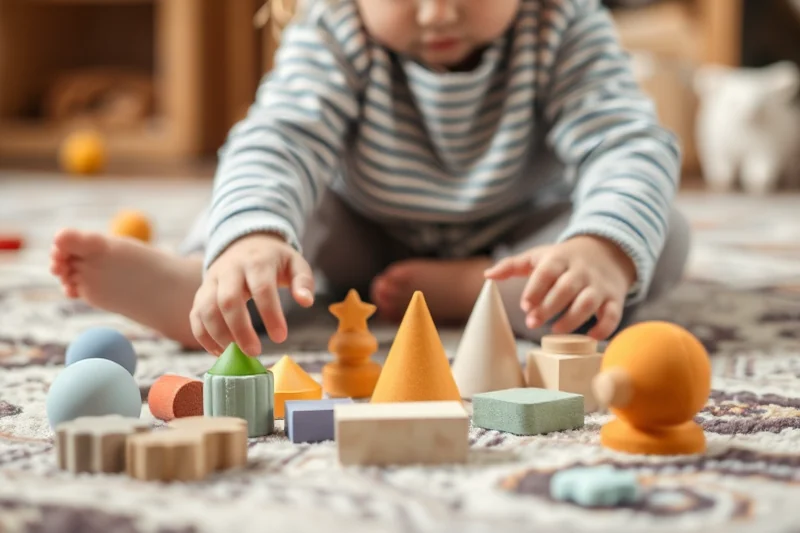
I started with simple tasks like pouring water, sweeping, and folding clothes. I used a small watering can and a sponge to teach my daughter how to clean up spills. She loved the way the water poured out, and it helped her develop hand-eye coordination and control.
We also introduced a child-sized broom and dustpan. She would sweep the floor after playing, and it became a fun game. I made sure to let her do it on her own, even if it took longer than I expected. It was a way for her to feel capable and contribute to our home.
Over time, I noticed that she became more focused and patient. She would spend 10 to 15 minutes on a task without getting distracted. It was amazing to see how these simple activities helped her build confidence and a sense of responsibility.[1]
When a 3-year-old sweeps the floor, it's not just about cleaning — it's about building self-worth and purpose.
Related: Minimalist montessori at home ideas
Choosing the Right Materials for a Montessori Home
I focused on natural materials like wood, fabric, and metal. I avoided plastic toys that were too complicated or had small parts. Instead, I chose things like wooden blocks, stacking cups, and sorting trays. These materials are durable and encourage problem-solving and creativity.
I also invested in quality practical life tools like child-sized knives, mops, and strainers. These helped my daughter learn how to help with daily tasks and gave her a sense of responsibility. She loved using the strainer to pour water from one container to another, and it became one of her favorite activities.
By choosing simple, natural materials, I created a space that felt calm and inviting. My daughter could explore without being overwhelmed, and she learned to take care of her belongings, which helped build a sense of respect and ownership.
Opt for wooden blocks, sorting trays, and other natural materials that encourage creativity and learning. Avoid overly complex or plastic toys that don't support independent exploration.
“When my daughter turned three, I felt like I was starting over with her.”— Thetraylife editors
Related: Simple montessori at home
Fostering Learning Through Nature and Sensory Experiences
I made a point of taking my daughter outside every day, even if it was just for 15 minutes. We went on short walks, collected leaves, and watched birds. She loved feeling the texture of different plants and listening to the sounds of nature. These experiences helped her develop her senses and sparked her curiosity.[2]
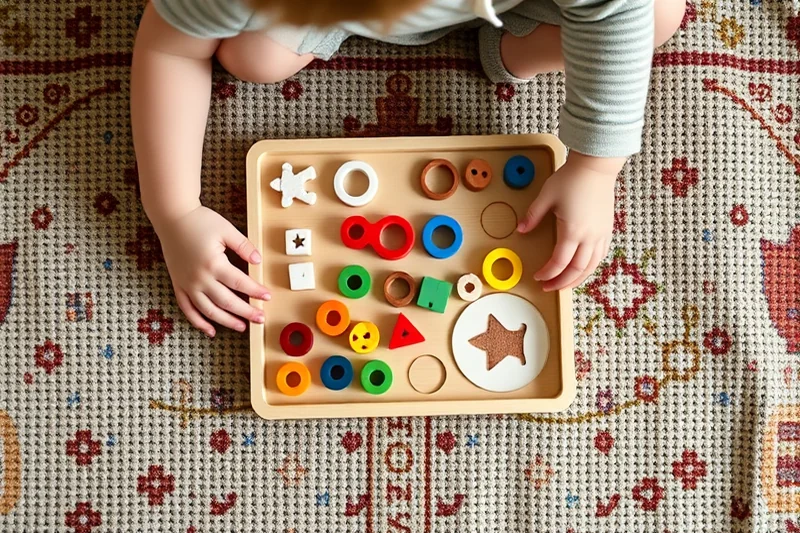
I also introduced sensory bins filled with rice, beans, and small toys. She could explore the textures and colors, and it became a way for her to learn about different materials and their properties. I made sure to rotate the items in the bins so that there was always something new to discover.
These sensory activities helped her build her fine motor skills and concentration. She would sit for 10 to 15 minutes exploring the bins, and I could see her focus and engagement. It was a way for her to learn through play and discovery.[3]
Related: Simple montessori at home curriculum
Supporting Language and Communication Through Montessori
I started by reading to my daughter every day, using picture books that had simple, clear language. We would point to the pictures and talk about them, which helped her develop her vocabulary and comprehension. I made sure to use full sentences and model proper speech, which helped her learn how to communicate effectively.
I also introduced a language shelf with letter cards, word cards, and picture dictionaries. She would sit and match the pictures with the words, which helped her learn how to read and spell. I made it a fun activity by turning it into a game, and she would spend 10 to 15 minutes on it each day.[4]
One of the biggest changes I noticed was in her confidence when speaking. She started using full sentences and asking questions about the world around her. It was amazing to see how these activities helped her develop her language skills and build her ability to express herself.
⭐ Classic
A simple sensory bin with rice, wooden blocks, and shells for basic exploration.
💰 Budget
Use free or repurposed materials like old fabric scraps and natural items like leaves or pinecones.
⚡ Extra-Fast
Skip the mixing and use pre-made sensory bin kits with all the necessary materials included.
✨ Depth
Add layers to the bin with different textures and items to encourage deeper exploration and learning.
🥗 Light
Use light-colored materials and soft fabrics to create a calming and inviting sensory experience.
| The mistake | Why it happens | The fix |
|---|---|---|
| Making the environment too cluttered | Clutter can overwhelm a child and make it difficult for them to focus on activities. It also makes it harder for them to find and use materials independently. | Keep the space simple and organized, with only a few items on each shelf or surface. |
| Using too many plastic toys | Plastic toys can be overwhelming and may not support independent exploration. They can also be confusing and not as engaging as natural materials. | Choose natural, open-ended materials that encourage creativity and learning. |
| Forcing the child to participate | Forcing a child to participate can lead to resistance and a lack of interest. It also prevents them from exploring at their own pace. | Let the child choose activities they are interested in and provide support without pressure. |
| Not providing enough time for exploration | Children need time to explore and engage with materials at their own pace. Rushing them can lead to frustration and a lack of engagement. | Allow the child to spend 10 to 15 minutes on each activity without interruption. |
| Overlooking the importance of natural materials | Natural materials are essential for a Montessori-inspired home. They help build a calm and engaging environment and support learning through exploration. | Focus on using natural, open-ended materials that encourage creativity and learning. |
What You'll Need tap to check off
- 1 lb dry rice
- ½ cup small wooden blocks
- ½ cup shells or pebbles
- ¼ cup small plastic animals
- ¼ cup yarn scraps
- to taste
Method tap a step when done
- Gather all the materials needed for the sensory bin.
- Pour the dry rice into a large bin or container.
- Add the wooden blocks, shells, pebbles, plastic animals, and yarn scraps to the bin.
- Mix everything together gently to ensure even distribution.
- Let your child explore the bin, feeling the different textures and discovering new items.
- Clean up the bin and materials after use.
Key Facts
Related: Montessori activities for toddlers at home
Easy Montessori At Home For 3 Year Old
Related: Modern montessori at home tips
Common Questions
How can I incorporate Montessori principles into my home without buying expensive materials?
What are some practical life activities that are suitable for a 3-year-old?
How can I encourage my child to communicate more using Montessori principles?
What should I do if my child is not interested in Montessori activities?
References
- The Effects of Implementing Montessori at Home on Children's ... (academia.edu)
- PDF To What Extent Do Parents of Montessori-Educated Children "Do ... (files.eric.ed.gov)
- UVA-led national study finds Montessori preschool boosts learning, cuts ... (news.virginia.edu)
- Montessori education's impact on academic and nonacademic outcomes: A ... (pmc.ncbi.nlm.nih.gov)
Cite this guide
Thetraylife (2026). Easy Montessori At Home For 3 Year Old. https://thetraylife.com/easy-montessori-at-home-for-3-year-old/
Feel free to cite or share this guide.