
Simple Montessori At Home
📖 Table of Contents
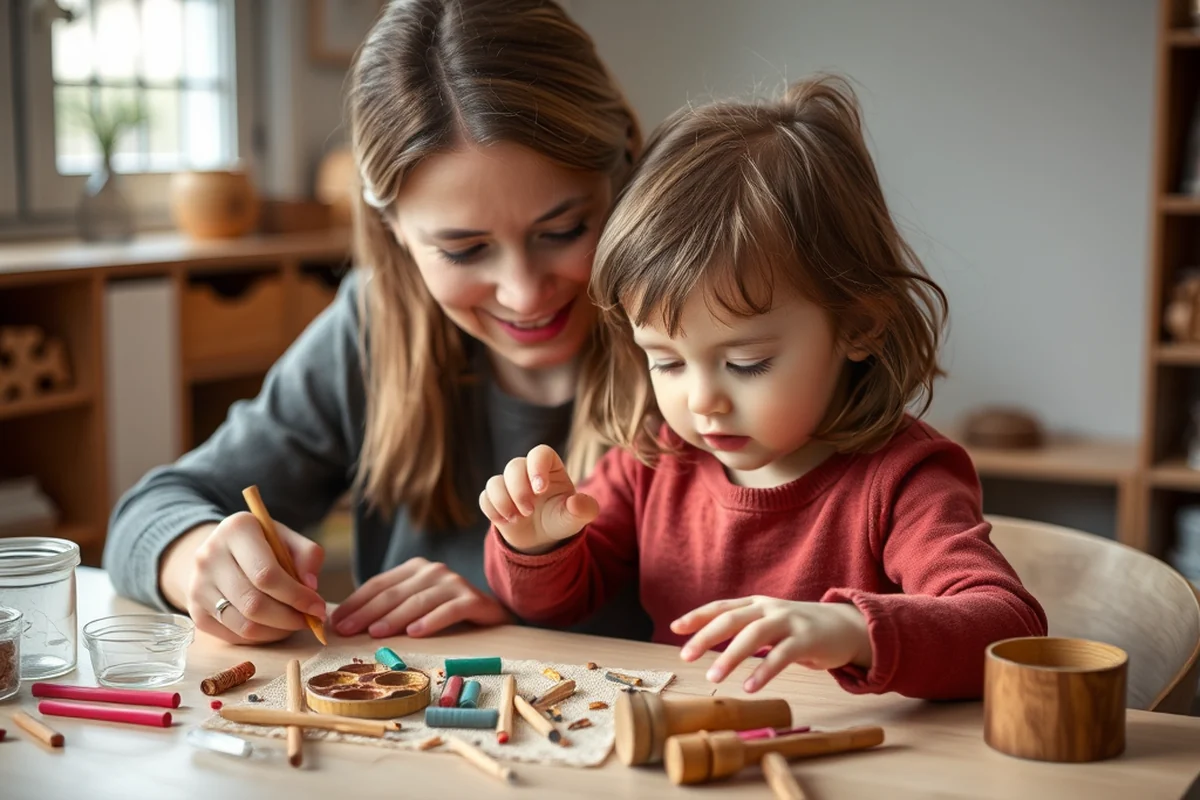
When my daughter turned two, I found myself overwhelmed by the endless stream of parenting advice—some of it conflicting, some of it too idealistic for my messy, real-life days. I wanted a method that worked for us, one that didn’t require hours of preparation or a budget I didn’t have. That’s when I discovered Montessori at home, not the elaborate, expensive version you see on Instagram, but the simple, doable version that fits into everyday life. I began to see how small changes—like letting my daughter pour her own water or give her a child-sized spoon—transformed her independence and confidence.[1]
What I love most about simple Montessori at home is how it blends seamlessly into our daily routine. It doesn’t demand a perfect house or a perfect schedule. Instead, it focuses on creating an environment that supports curiosity and self-directed learning. Whether it’s setting up a low shelf with accessible toys or letting my child choose her own clothes, these small acts of trust and respect have made a world of difference. And the best part? You don’t need a degree in child development or a large budget to get started.[2]
I’ve tried countless parenting approaches, but Montessori at home has been the one that truly resonated with us. It’s not about following a rigid set of rules or buying expensive materials. It’s about observing your child, understanding their needs, and creating a space that nurtures their natural curiosity. Simple Montessori at home is about making intentional choices that support your child’s growth, one small, meaningful step at a time.[3]
Why You'll Love This Simple Montessori At Home Approach
- Empowers your child to learn at their own pace and in their own way.
- Requires no special training or expensive equipment—just a few thoughtful changes to your home environment.
- Helps build confidence, independence, and life-long skills like problem-solving and self-care.
- Can be implemented in just a few hours a week with no disruption to your daily routine.
What Is Simple Montessori At Home?
As of October 2026, this philosophy is rooted in the work of Dr. Maria Montessori, but it’s adapted to fit the modern home. It focuses on creating an environment where children can explore, make choices, and learn through hands-on experiences. Unlike traditional Montessori schools, which may require a lot of materials and space, simple Montessori at home can be done with just a few key changes to your home environment.[4]
One of the core principles of simple Montessori at home is the idea of ‘prepared environments.’ This means arranging your home in a way that is accessible, safe, and encourages your child’s independence. For example, placing child-sized furniture and utensils within reach, or organizing toys in open bins that your child can easily access and put back.[5]
The goal of simple Montessori at home is not to ‘teach’ your child in the traditional sense, but to support their natural curiosity and development. It’s about creating a space where your child can explore, learn, and grow at their own pace, with your guidance and support.
Set up a small, safe area in your kitchen with child-sized chairs, a low countertop, and simple tools like a small cutting board and child-safe knife. Let your child help with simple tasks like washing vegetables or stirring batter.
Part of our Montessori at home guide.
How to Get Started with Simple Montessori At Home
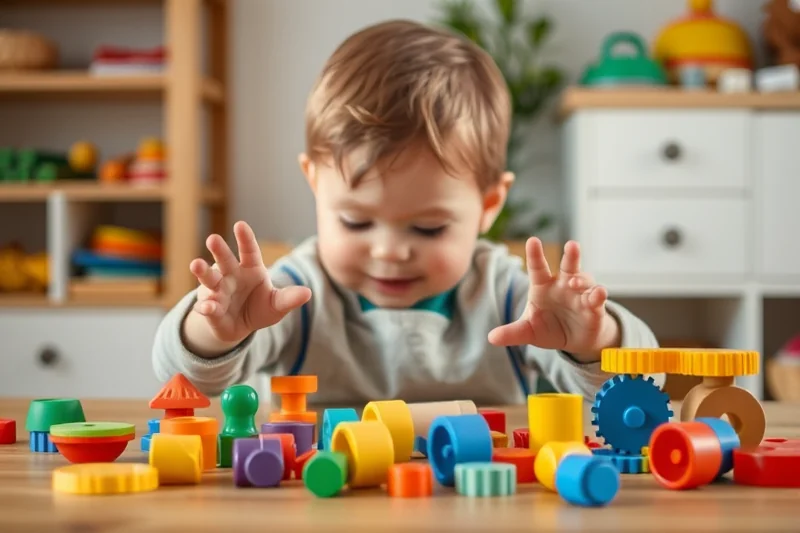
Start by observing your child and noting what interests them. Are they drawn to puzzles, books, or playing with blocks? Use this information to create a space that supports their interests. For example, if your child loves puzzles, set up a low shelf with a variety of puzzles they can access and solve on their own.
Next, consider the physical environment. Make sure your home is arranged in a way that is accessible and safe for your child. This might include lowering shelves, using child-sized furniture, or organizing toys in open bins. It’s also important to avoid overstimulating your child with too many toys or materials at once.
Finally, be present and engaged. Simple Montessori at home is not about leaving your child to learn on their own—it’s about supporting them as they explore and discover. Take time to observe your child’s interests and follow their lead as they learn and grow.
Simple Montessori at home is not about following a rigid set of rules—it’s about creating a space that supports your child’s natural curiosity and independence.
Related: Homemade teach montessori at home
The Benefits of Simple Montessori At Home
One of the most significant benefits of simple Montessori at home is the way it supports your child’s independence. By giving your child the opportunity to make choices and complete tasks on their own, you help them develop confidence, problem-solving skills, and a sense of self-efficacy.
Another key benefit is the way it fosters a love of learning. Simple Montessori at home encourages exploration and discovery, allowing your child to learn in a way that is meaningful and engaging to them. This can lead to a lifelong love of learning and a natural curiosity about the world around them.
Finally, simple Montessori at home supports your child’s development of self-care skills. From learning how to dress themselves to helping with simple chores, these small acts of independence help your child build the skills they need for a lifetime of success.
Set up a small clothing station with a low shelf and a few simple outfits your child can choose from. Include a child-sized clothes hanger, a small mirror, and a few easy-to-use buttons or zippers. Let your child practice dressing themselves with your encouragement and support.
“When my daughter turned two, I found myself overwhelmed by the endless stream of parenting advice—some of it conflicting, some of it too idealistic for…”— Thetraylife editors
Related: Montessori at home book printable
Simple Montessori At Home for Toddlers
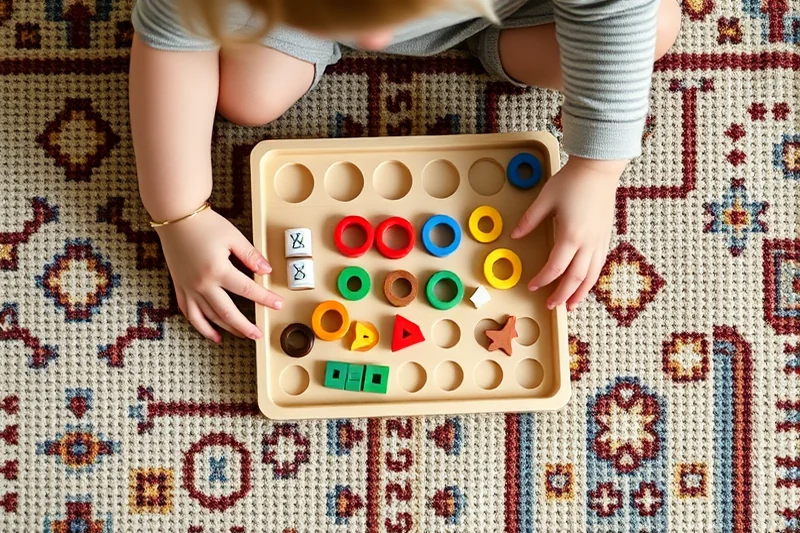
Toddlers are at a stage in their development where they are learning to walk, talk, and interact with the world around them. Simple Montessori at home supports their development by providing a safe and accessible environment that encourages exploration and learning.
For example, setting up a low shelf with books, puzzles, and simple toys can help your toddler develop fine motor skills and problem-solving abilities. It also allows them to practice making choices and completing tasks on their own.
One of the key benefits of simple Montessori at home for toddlers is that it supports their sense of autonomy. By giving your toddler the opportunity to complete small tasks, like pouring water from a pitcher into a cup or arranging blocks, you help them build confidence and a sense of accomplishment.
Related: How to start montessori at home
Simple Montessori At Home for Older Children
As children grow, their needs and interests change. Simple Montessori at home can be adapted to support their development at each stage. For example, older children may benefit from more complex activities, like reading, writing, and problem-solving.
One way to support older children with simple Montessori at home is to provide them with access to a variety of books and learning materials that match their interests. This can help them develop a love of reading and a natural curiosity about the world around them.
Another key aspect of simple Montessori at home for older children is the opportunity to practice life skills. This can include things like cooking, cleaning, and organizing their own space. These activities help older children build confidence, independence, and a sense of responsibility.
⭐ Classic
The original recipe with apples and oats, perfect for a healthy snack.
💰 Budget
Use frozen apples and skip the honey for a cost-effective alternative.
⚡ Extra-Fast
Skip the baking step and serve the mixture as is for a quick option.
✨ Depth
Add a dash of cinnamon or chia seeds for extra flavor and nutrition.
🥗 Light
Use gluten-free oats and reduce the amount of honey for a lighter version.
| The mistake | Why it happens | The fix |
|---|---|---|
| Overloading the environment with too many toys or materials. | This can be overwhelming for your child and may prevent them from focusing on one activity at a time. | Keep the environment simple and organized, with only a few key activities or materials available at a time. |
| Not allowing your child to make choices or complete tasks on their own. | This can undermine your child’s sense of independence and may prevent them from developing important problem-solving skills. | Give your child opportunities to make choices and complete tasks on their own, with your guidance and support. |
| Using materials that are not safe for your child. | Using unsafe materials can be a hazard and may prevent your child from fully engaging in the activities. |
Related: Montessori at home activities
Simple Montessori At Home
Related: Easy montessori at home book
Common Questions
What are the key principles of simple Montessori at home?
How can I create a prepared environment in my home?
Do I need any special equipment for simple Montessori at home?
How does simple Montessori at home support my child’s development?
References
- The Effects of Implementing Montessori at Home on Children's ... (academia.edu)
- Guided Montessori Studies | Montessori Training | Montessori Online ... (cgms.edu)
- The Montessori Method. - University of Pennsylvania (digital.library.upenn.edu)
- PDF To What Extent Do Parents of Montessori-Educated Children "Do ... (files.eric.ed.gov)
- To What Extent Do Parents of Montessori-Educated Children "Do ... (journals.ku.edu)
Cite this guide
Thetraylife (2026). Simple Montessori At Home. https://thetraylife.com/simple-montessori-at-home/
Feel free to cite or share this guide.