
Montessori At Home Budget Tips
📖 Table of Contents
When my daughter turned two, I found myself overwhelmed by the idea of creating a Montessori-inspired environment at home. I had heard so much about the benefits of Montessori education—how it fosters independence, curiosity, and self-directed learning—but the thought of spending thousands on materials and furniture felt impossible. I set out to find a way to implement Montessori principles without breaking the bank, and in doing so, I discovered that the most impactful changes are often the simplest and most affordable ones.
It wasn’t about buying the latest Montessori shelves or fancy learning materials. Instead, I focused on small, intentional changes that aligned with Montessori’s core values of respect for the child, freedom of movement, and hands-on learning. I repurposed items we already had at home, set up a child-friendly kitchen area, and gave my daughter more control over her daily routine. These changes didn’t cost much, but the results were undeniable—my daughter became more confident, more independent, and more engaged in her learning.
Montessori at home doesn’t have to be expensive. With a bit of creativity and a clear understanding of what Montessori principles truly mean, you can create a nurturing environment that supports your child’s development without the financial burden. In this article, I’ll share budget-friendly tips, real-life examples, and actionable strategies that have worked for me and other parents trying to bring Montessori into their homes.[1]
Why You'll Love This Montessori At Home Budget Approach
- Fosters independence without the need for expensive materials
- Encourages hands-on learning using everyday items
- Saves money while providing a rich, developmental environment
- Empowers parents to create a tailored Montessori experience
Starting Small with Natural Materials
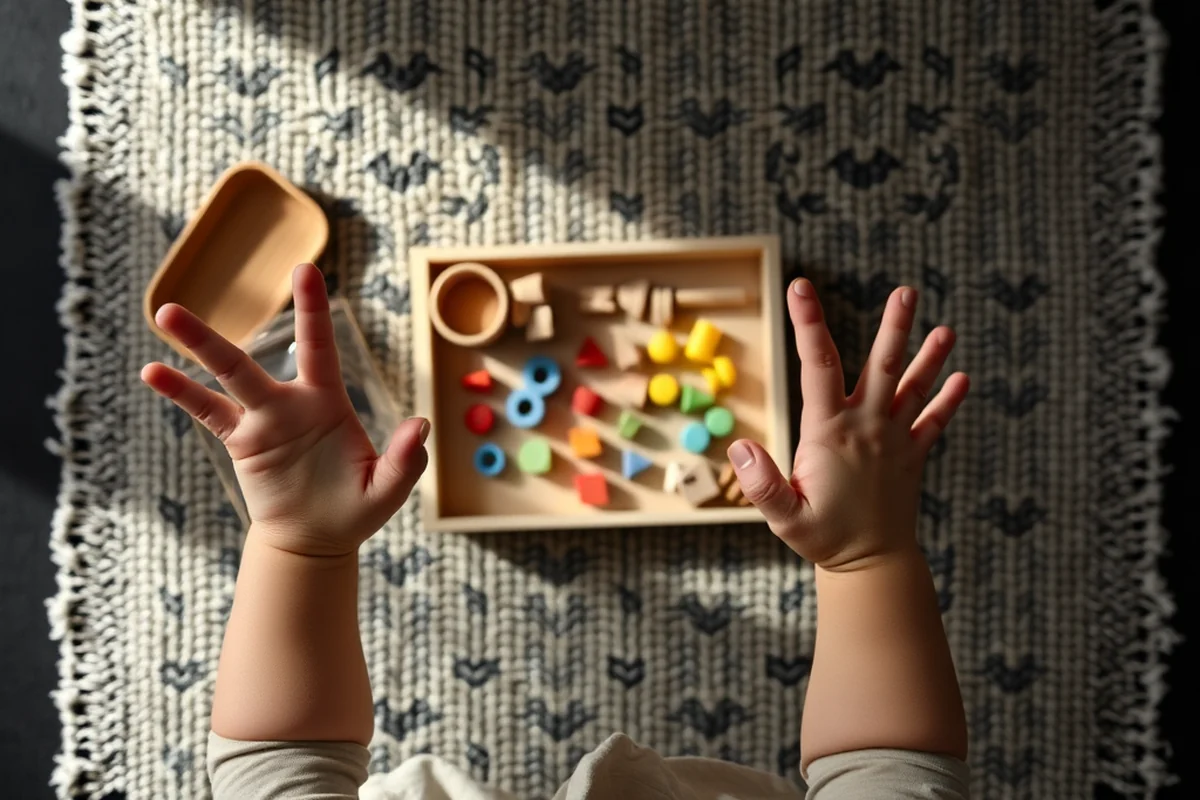
As of September 2026, Natural materials like wood, stone, and fabric are the backbone of a Montessori environment. These materials feel good in a child’s hands, are visually appealing, and encourage a deep connection to the world around them. I repurposed old wooden spoons, blocks, and bowls to create a simple but engaging work area in my daughter’s room. These items not only look beautiful but also encourage tactile learning and sensory exploration.[2]
I found that most of these items were already in our home. Instead of buying new, I focused on organizing what we had. I sorted the items into categories—cooking tools, cleaning supplies, and art materials—and placed them on a low shelf so my daughter could access them independently. This not only reduced clutter but also gave her a sense of ownership and responsibility.
One of the biggest surprises was how much my daughter loved using these natural materials. She would spend hours arranging the items, pretending to cook, and cleaning up afterward. It was a simple setup, but it had a profound impact on her ability to focus and take initiative.
Repurpose old items like wooden spoons, fabric scraps, and stones to create a Montessori-inspired work area. This saves money and encourages creativity.
Creating a Child-Friendly Kitchen Area

One of the most impactful changes I made was setting up a small kitchen area for my daughter. I bought a low table and placed real, child-sized utensils on it. We used a small refrigerator and a mini sink so she could participate in simple tasks like pouring water or washing vegetables. This setup was not only fun but also educational.
I made sure everything on the table was safe and within reach. I used wooden bowls, cloth napkins, and a small set of knives that were designed for children. The tools were affordable and made from natural materials, which aligned with Montessori principles. My daughter loved helping with meal preparation and learned important life skills in the process.
This kitchen area became a favorite spot in our home. My daughter would spend hours there, and it was a great way for her to practice independence, focus, and fine motor skills. The best part was that I didn’t have to spend a lot to set it up—most of the items were either donated or purchased from secondhand stores.
A kitchen is a child's first classroom.
Related: Simple montessori at home budget
Incorporating Nature into Everyday Life
Nature is a powerful teacher. I started bringing items like pinecones, leaves, and pebbles into our home for my daughter to explore. These natural elements not only provide sensory stimulation but also encourage observation, curiosity, and a deep connection to the environment. I placed them in a small basket on a low shelf so she could access them easily.
I also made a point to spend time outdoors every day. Whether it was a walk in the park or a simple backyard play session, time in nature helped my daughter develop a sense of calm and focus. I noticed that she was more patient, more curious, and more engaged with her surroundings after these outings.
Incorporating nature into our home and daily life has been one of the most rewarding aspects of our Montessori journey. It’s not only affordable but also deeply impactful, helping my daughter develop a lifelong appreciation for the natural world.
Gather natural items like pinecones, leaves, and stones for sensory exploration and learning. They’re free and stimulate a child’s curiosity and focus.
“When my daughter turned two, I found myself overwhelmed by the idea of creating a Montessori-inspired environment at home.”— Thetraylife editors
Related: Easy montessori at home budget
The Power of Routines and Schedules
One of the most important aspects of Montessori is the emphasis on routine and structure. I created a simple daily schedule with visual cues, such as a clock with picture cards and a visual timer. This helped my daughter understand the flow of the day and gave her a sense of control over her environment.
I used a chalkboard to write out the schedule each morning, and we would go over it together. This made her feel involved in the process, and it helped her transition smoothly from one activity to the next. I noticed a marked improvement in her ability to focus and complete tasks independently.
Consistent routines also helped reduce stress in our home. With a clear schedule, my daughter knew what to expect, and this led to fewer meltdowns and more cooperation. It was a small change, but it made a big difference in our daily life.
Related: Easy montessori at home budget ideas
The Importance of Freedom of Movement
Freedom of movement is a cornerstone of Montessori philosophy. I made sure that my daughter had plenty of space to move around the house. I rearranged furniture to create open areas and removed any sharp corners or hazards. This allowed her to explore, crawl, and walk freely without being restricted.
I also made sure that all the materials she used were accessible to her. This meant lowering shelves, using child-sized furniture, and placing items within her reach. This not only encouraged independence but also helped her develop important motor skills and spatial awareness.
By giving her the freedom to move and explore, I saw a noticeable increase in her confidence and curiosity. She was more willing to take risks, try new things, and engage with her environment in a more meaningful way.
🌿 Gentle Montessori
A slow, low-pressure approach focusing on small, natural changes that support a child's development.
⚡ Fast-Track Montessori
A quicker, more focused method to implement Montessori principles without spending a lot of time or money.
✈️ Travel/away-from-home Montessori
A portable, flexible approach to Montessori that works well for families on the move or in temporary housing.
👶 Montessori for Multiples
A tailored approach that supports multiple children in a shared Montessori environment.
🔄 Regression Reset Montessori
A method to help children regain focus and independence after a setback or regression.
| The mistake | Why it happens | The fix |
|---|---|---|
| Buying too many expensive Montessori materials too quickly | This can be financially overwhelming and may lead to clutter and disorganization in the home. | Start small, use what you already have, and gradually introduce new materials as needed. |
| Making the environment too structured or rigid | Montessori emphasizes freedom and child-led learning, which can be stifled by overly structured setups. | Allow your child the freedom to explore and choose their activities. Keep the environment flexible and open-ended. |
| Neglecting the importance of natural materials | Synthetic materials may not provide the same sensory and developmental benefits as natural ones. | Prioritize natural items like wood, fabric, and stones in your Montessori setup. |
| Ignoring the importance of child-sized furniture and tools | Inaccessible tools and furniture can discourage independence and make it difficult for a child to engage with their environment. | Invest in child-sized furniture and tools that are safe and within reach for your child. |
Related: Budget montessori at home budget
Montessori At Home Budget Tips
Related: Montessori at home budget ideas for beginners
Maximizing Secondhand Finds for Montessori Supplies
Finding quality Montessori materials at a fraction of the cost is possible by shopping secondhand.
I’ve found some of my best Montessori tools at local thrift stores, garage sales, and online marketplaces like Facebook Marketplace and eBay. For example, a fully functional pouring set that would cost $40 new only cost me $8 at a garage sale. These items are often in excellent condition and come with a sense of history that adds character to the space.
Shopping secondhand not only saves money but also reduces waste, aligning with Montessori values of respecting the environment. I look for items that are safe, durable, and developmentally appropriate—like wooden puzzles, stacking cups, or small kitchen tools. Always inspect for sharp edges or broken parts before bringing anything home.
I’ve also joined online groups where parents trade or sell used Montessori materials. These communities are a goldmine for finding items that fit a Montessori lifestyle without the high price tag. By being patient and observant, you can build a rich, low-cost Montessori environment that supports your child’s independence and learning.
Common Questions
How can I create a Montessori environment without spending a lot of money?
What are the most important elements of a Montessori home?
How can I help my child develop independence at home?
Can Montessori principles be applied to young children?
References
- Nature-Based Learning Programs (dcyf.mn.gov)
- SAN GERONIMO VALLEY COMMUNITY PLAN | Marin County (assets.marincounty.gov)
Cite this guide
Thetraylife (2026). Montessori At Home Budget Tips. https://thetraylife.com/montessori-at-home-budget-tips/
Feel free to cite or share this guide.