
Montessori At Home Routines Examples
📖 Table of Contents
When my daughter turned two, I found myself overwhelmed by the chaos of toddlerhood — constant tantrums, a lack of structure, and a growing sense that something was missing. I had heard of Montessori, but I didn’t understand how to apply it at home. It wasn’t until I began integrating Montessori principles into our daily routines that I saw a noticeable shift in her behavior, her independence, and her focus. I started with small, simple changes, like giving her a cloth to wipe the table after meals. Within weeks, she began taking ownership of her tasks with a sense of pride I had never seen before. That moment, when she proudly said, 'I did that,' was when I knew this approach could work for our family.
Montessori at home routines examples are not just about tidying up or following a strict schedule — they're about fostering independence, teaching life skills, and creating a calm, purposeful environment. These routines are built on the idea that children are naturally curious and capable of learning through hands-on experiences. I wasn’t looking for a rigid system; I wanted something flexible, yet meaningful. What I found was a way to empower my child while also easing the stress of daily life. By setting up a Montessori-inspired home, I noticed how much more she engaged with her surroundings, and how much less I had to intervene.[1]
One of the first routines I implemented was a morning self-care sequence. I bought a small, child-sized toothbrush, a cup, and a towel and placed them on the counter. I didn’t explain the process — I just let her try. At first, she fumbled with the brush, but after a few days, she began to do it on her own. It was incredible to watch her take charge of her own hygiene with such confidence. That’s when I realized that Montessori at home routines examples are not just about structure — they’re about trust, observation, and letting children lead the way in their own time.
Why You'll Love This Montessori-at-Home Approach
- Empowers your child with real-life skills and independence
- Reduces daily stress by creating a predictable, calm environment
- Helps your child develop self-confidence and a sense of responsibility
- Requires minimal investment but delivers lasting impact
Morning Self-Care Routine
As of October 2026, Starting the day with a Montessori-inspired self-care routine is a powerful way to introduce structure and independence. I placed a small brush, a cup, and a cloth on the bathroom counter, just within my daughter’s reach. I didn’t guide her — I let her explore and discover what she could do. At first, she just grabbed the brush and looked at it, but within a few days, she began brushing her teeth on her own. The key was to make the items accessible and to allow her to take the lead.
This routine not only taught her a necessary life skill, but it also gave her a sense of accomplishment. I noticed that she began waking up more rested and ready for the day. It was as if the act of doing something on her own, even something as simple as brushing her teeth, gave her a sense of control over her morning. The routine became a natural part of our day, something she looked forward to.
Over time, this small change had a ripple effect. She began to take ownership of other tasks, like wiping the table after meals and putting her toys away before bedtime. I didn’t have to remind her — she started doing these things on her own, as if they were just as important as brushing her teeth.
Invest in child-sized tools like toothbrushes, cups, and cloths. This allows your child to perform tasks independently and safely.
Part of our Montessori at home routines schedules guide.
Afternoon Play and Learning Time

I set up a small play area with shelves filled with books, puzzles, and sorting toys. I placed this space in a corner of the living room, where natural light came in and the atmosphere was calm. I didn’t organize the items in a specific order — I just let her choose what she wanted. Surprisingly, she started to develop a sense of curiosity and purpose in her play.
One day, she picked up a puzzle and began to solve it on her own. She didn’t ask for help, and she didn’t get frustrated if a piece didn’t fit right away. It was like she had a deeper understanding of the task, as if the Montessori approach had given her the tools to think through challenges independently.
This play and learning time became one of my favorite parts of the day. I watched her problem-solve, create stories, and explore her interests. It was a moment of pure connection, where I could see her growing and learning in a way that was natural and effortless.
Play is the work of childhood — but with Montessori principles, it becomes intentional growth.
Related: Simple montessori at home routines
Evening Wind-Down Routine
I created a simple wind-down routine that included a small lamp, a book, and a stuffed animal. I placed these items on a low shelf in the bedroom, so my daughter could reach them easily. I didn’t dictate the order of the activities — I just let her choose what she wanted to do first. Some nights, she would read a book. Other nights, she would snuggle with her stuffed animal.
Over time, this routine became a peaceful way to end the day. I noticed that she began to fall asleep more easily, and her sleep quality improved. The act of choosing her own activities gave her a sense of control over the evening, which made the transition into sleep much smoother.
I also noticed that she began to associate this time with relaxation. She would often say, 'It’s time to wind down now,' which showed that she had internalized the idea of a quiet, peaceful evening. It was a small but powerful shift in her daily rhythm.
Use soft lighting, minimal noise, and simple activities to create a soothing atmosphere for your child’s wind-down time.
“When my daughter turned two, I found myself overwhelmed by the chaos of toddlerhood — constant tantrums, a lack of structure, and a growing sense…”— Thetraylife editors
Related: Best montessori at home schedules
Mealtimes and Food Preparation
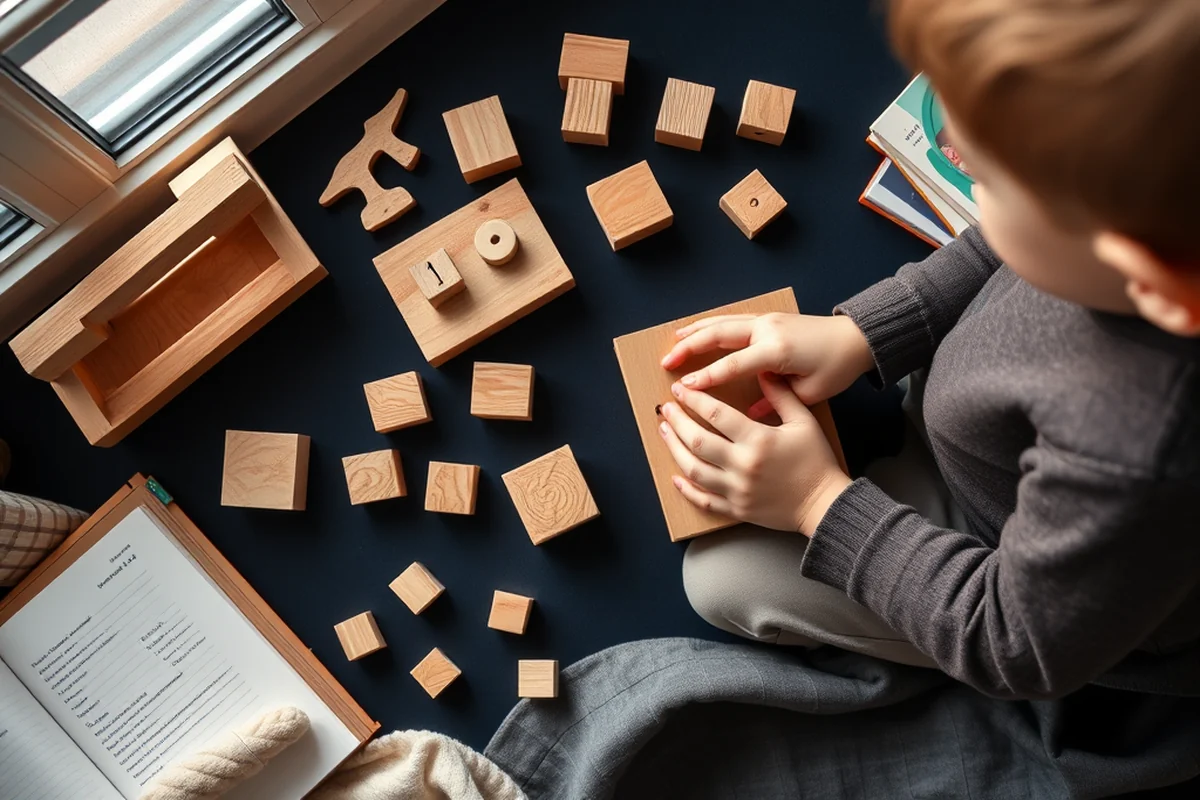
I began to let my daughter participate in meal preparation by giving her simple tasks, like wiping the counter or arranging plates on the table. At first, I was hesitant — I worried she might make a mess or not know what to do. But to my surprise, she approached each task with curiosity and focus. She learned to wipe the counter in a specific pattern and even began to organize the plates by size.
This hands-on involvement in mealtime routines gave her a sense of belonging. I noticed that she began to show more interest in the food we were preparing, even asking questions like, 'Why do we need this many plates?' or 'Can I help with the food, too?' It was a beautiful way to connect with her and teach her about the family’s daily life.
Over time, she developed a stronger understanding of household responsibilities and how to contribute in a meaningful way. I realized that even the simplest tasks can have a lasting impact on a child’s confidence and sense of purpose.
Related: Montessori at home routines schedules for small spaces
Transitioning Between Activities
I introduced a simple transition ritual using a timer and a small basket of items that signaled the end of one activity and the start of another. For example, when it was time to switch from play to meal preparation, I would set the timer and let her know the next activity was about to begin. She would then grab the items from the basket and prepare for the transition.
This ritual helped her understand that changes in her day were predictable and manageable. She began to anticipate the next activity with a sense of calm, rather than resistance or confusion. It was a small but significant shift in her daily rhythm.
I also noticed that this practice helped her develop a stronger sense of time and structure. She began to understand that each activity had a beginning, middle, and end, and that transitions were natural parts of her day. It was a powerful way to teach her about organization and self-regulation.
🌼 Gentle Montessori
A slower-paced approach that focuses on observation and letting your child lead at their own pace.
⚡ Fast-Track Montessori
A streamlined version that incorporates key routines without overwhelming your child or your schedule.
✈️ Travel Montessori
A portable, on-the-go approach that brings Montessori principles into hotels, airports, and other travel environments.
👯♀️ Montessori for Multiples
An approach tailored to families with more than one child, focusing on shared routines and individual development.
🔄 Regression Reset Montessori
A method used to re-establish routines after a period of regression or change, such as after a move or a new sibling.
| The mistake | Why it happens | The fix |
|---|---|---|
| Forcing your child to follow a routine | Children learn best through exploration and choice. Forcing them to follow a routine can lead to resistance and frustration. | Let your child lead the way. Observe their interests and build routines around those, rather than imposing your own. |
| Using too many materials at once | Too many materials can overwhelm your child and make it difficult for them to focus on one task at a time. | Start with a few simple materials and gradually introduce more as your child becomes comfortable with the routines. |
| Not being consistent with routines | Consistency is key to helping your child understand and internalize routines. Inconsistent routines can confuse your child and make it difficult for them to develop a sense of structure. | Create a schedule and stick to it. Even small changes in the routine can be disruptive, so consistency is essential. |
| Using adult-sized tools for your child | Adult-sized tools are not safe or accessible for young children and can prevent them from learning how to perform tasks independently. | Invest in child-sized tools that are safe, easy to use, and perfectly sized for your child’s hands. |
Related: Montessori at home routines schedules examples
Montessori At Home Routines Examples
Related: Montessori at home routines for beginners
Common Questions
How do I know if Montessori at home is right for my family?
What if my child doesn’t want to participate in the routine?
Can I use Montessori routines with a baby?
Do I need to buy a lot of special materials for Montessori routines?
References
- The Powerful Role of Play in Early Education (cde.ca.gov)
Cite this guide
Thetraylife (2026). Montessori At Home Routines Examples. https://thetraylife.com/montessori-at-home-routines-examples/
Feel free to cite or share this guide.