
Montessori At Home Routines For Beginners
📖 Table of Contents
I remember the first time I watched my two-year-old daughter independently pour a glass of water — her hands shaking, the pitcher teetering, but her eyes locked on the task. It was messy, but it was also magical. That moment was the first real spark of what I would later learn about Montessori at home routines for beginners. These routines are not about perfection; they're about creating space for your child to grow, explore, and learn through their own actions.
Before exploring Montessori, I was overwhelmed by the idea of 'structured learning' or 'sensitive periods.' I thought it would require buying expensive materials or following strict schedules. But what I discovered was something far more simple — and deeply impactful. Montessori at home routines for beginners focus on small, consistent actions that build independence and curiosity, not on flash or formality.[1]
What changed everything for me was the shift from trying to 'teach' my child to creating an environment where learning could happen naturally. I started setting up low shelves with accessible tools, letting her dress herself, and trusting her to make choices. It took time, but the results were transformative. Montessori at home routines for beginners are about building a foundation — one tiny, meaningful step at a time.[2]
Why You'll Love This Montessori Approach
- Fosters independence through practical life skills
- Builds confidence and self-reliance in your child
- Encourages natural curiosity and exploration
- Creates a calm, structured environment for growth
Creating a Montessori-Friendly Home Environment
As of October 2026, the key to Montessori at home routines for beginners is making your home an extension of your child’s learning. I removed all plastic containers and switched to glass jars and wooden utensils — things that are safe for little hands and easy to clean. This small change immediately made my child feel more involved in daily tasks.
I also made sure to place things at her eye level. This meant lowering shelves, using child-sized chairs, and even reorganizing my kitchen so she could help with simple tasks like pouring water or sorting laundry. It was a bit of work at first, but the reward was immediate — she began taking initiative without being asked.
One of the most surprising things was how quickly she adapted. Within a few days, she was sorting her toys, wiping the table, and even helping with simple food prep. These small actions built a sense of responsibility and pride that I hadn’t expected.
Use child-sized tools and store items at your child’s eye level. This encourages independent exploration and reduces frustration.
Part of our Montessori at home routines schedules guide.
Introducing Practical Life Activities
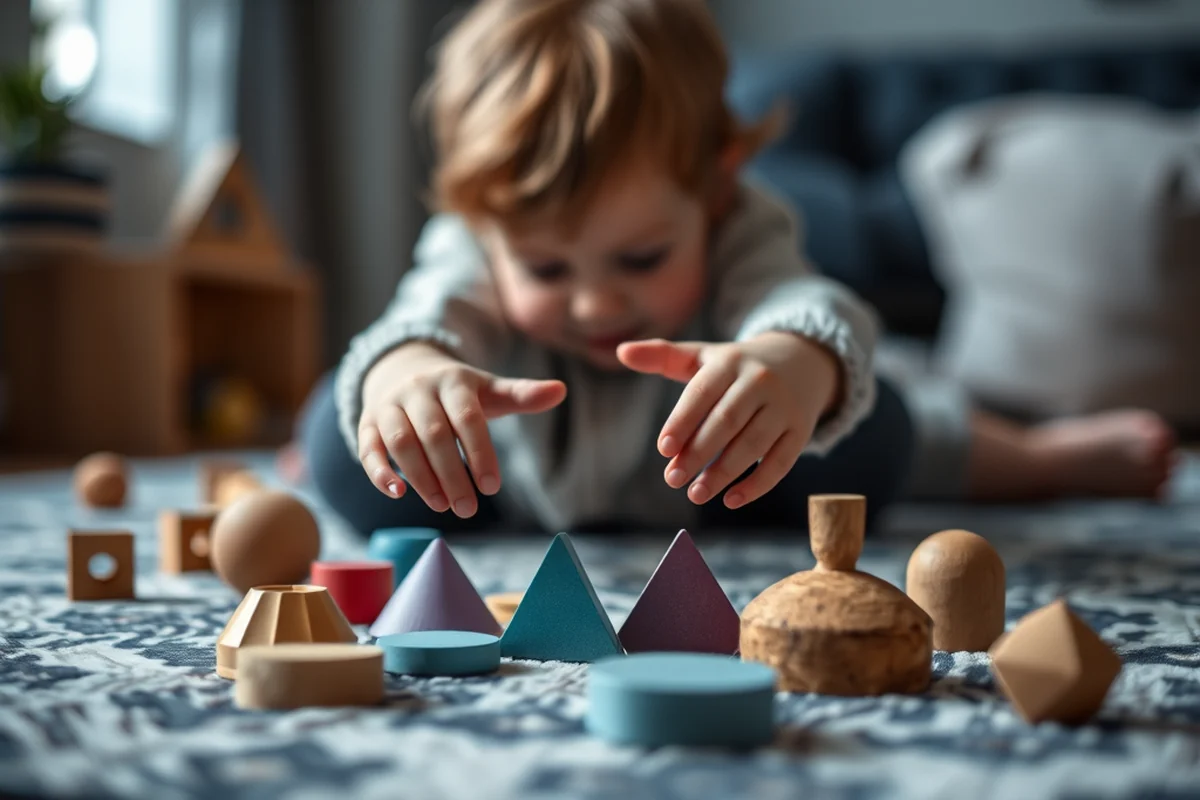
From the very beginning, I introduced practical life activities as part of my daily routine. This meant things like folding laundry, watering plants, and pouring water from one container to another. At first, it was messy and slow, but I stuck with it.
I found that these activities helped her develop coordination and concentration. She became more focused as she worked through tasks, and the satisfaction of completing something on her own was clear in her face. It also gave her a real sense of contribution within the family.
One thing that surprised me was how these simple tasks helped her understand the value of effort. She started taking pride in doing things herself, which was a powerful shift in her mindset.
Practical life activities aren’t just tasks — they’re the foundation of independence.
Related: Budget montessori at home schedules
Setting Up a Consistent Daily Routine
We started our day with a morning ritual: brushing teeth, getting dressed, and helping to set the table. These small, consistent actions became part of her daily rhythm, and she began to anticipate and enjoy them.
I kept the schedule simple but predictable. Mornings were about preparation, afternoons about exploration, and evenings about winding down. This helped her feel secure and in control, even as she was learning new skills.
What I noticed was that consistency helped her understand the flow of the day. She didn’t need reminders to get ready for bed or to clean up after play. It was all part of a larger, meaningful pattern.
A consistent daily routine helps your child feel secure and in control. Use visual schedules or timers to reinforce the structure.
“I remember the first time I watched my two-year-old daughter independently pour a glass of water — her hands shaking, the pitcher teetering, but her…”— Thetraylife editors
Related: Montessori at home routines schedules on a budget
Supporting Independence Through Choice
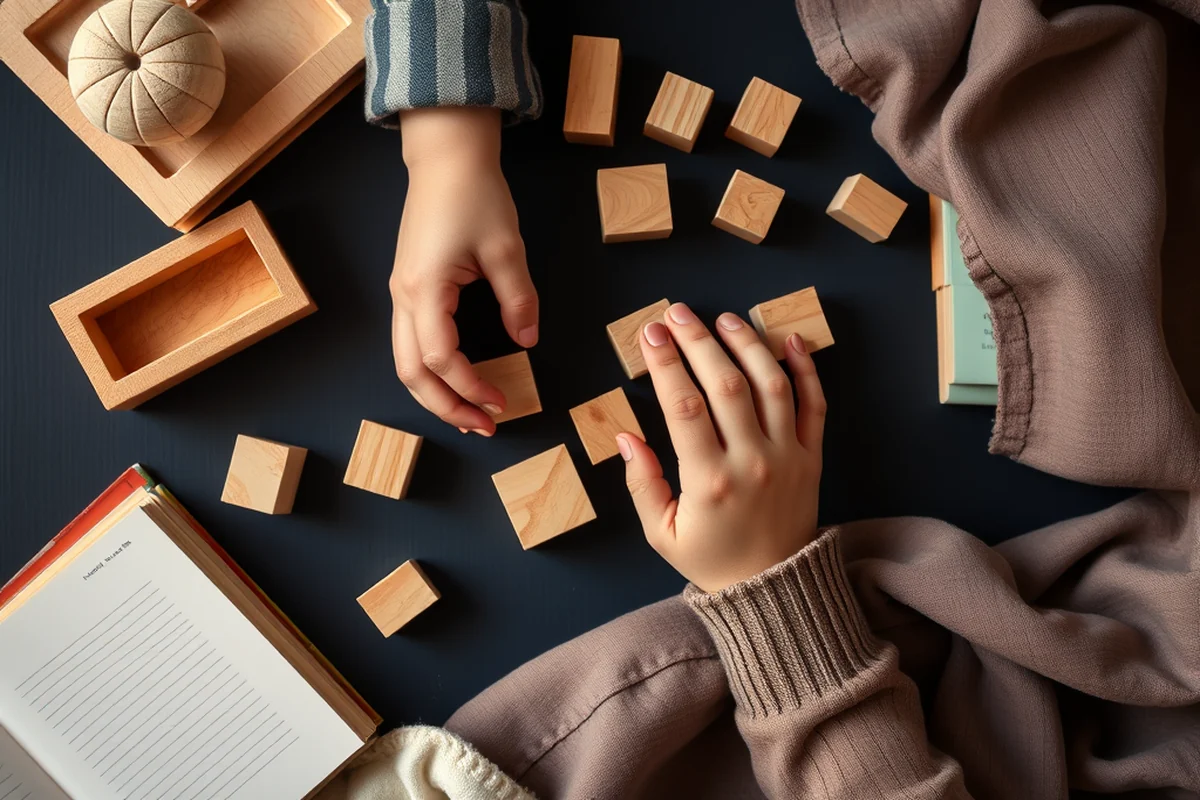
I started by giving my child options — which shirt to wear, which snack to have, or which book to read. At first, it was overwhelming, but over time, she began making choices more confidently.
This small shift had a big impact. She started taking ownership of her decisions, and I saw a marked increase in her self-esteem. She also became more engaged with daily activities because she felt she had a say in what was happening.
One of the most rewarding moments was when she chose to help with a task I hadn’t even considered she would be ready for. It was a testament to how giving her autonomy helped her grow.
Related: Budget montessori at home routines
Fostering Emotional and Social Development
I started by modeling empathy and encouraging my child to express her feelings. We talked about emotions, used emotion cards, and practiced listening to one another. This helped her understand and manage her own emotions better.
We also encouraged cooperation by creating activities that required teamwork, like building with blocks or working on a puzzle together. These moments taught her the value of sharing and collaboration.
I noticed a real shift in how she interacted with others. She became more compassionate and more willing to work with her peers. It was a beautiful transformation that came from simple, daily interactions.
🌿 Gentle Montessori
A slower, more relaxed approach that prioritizes emotional safety and gradual development.
🚀 Fast-Track Montessori
A structured, time-efficient method that focuses on quick, impactful routines with clear goals.
🧳 Travel Montessori
Adaptable routines that work on the go, making it easy to maintain Montessori principles while traveling.
👯♀️ Montessori for Multiples
Tailored routines that support the unique needs of multiple children in the same space.
🔄 Regression Reset Montessori
A focused approach to help children overcome developmental plateaus by reinforcing key skills and routines.
| The mistake | Why it happens | The fix |
|---|---|---|
| Overloading your child with too many options or activities at once. | This can overwhelm your child and make it hard for them to focus or feel in control. | Start with a few simple, consistent activities and gradually introduce new ones as your child becomes more confident. |
| Trying to force your child to follow a strict Montessori routine. | This can create resistance and make your child feel pressured instead of empowered. | Let your child lead the way. Encourage participation without forcing it — the goal is to foster independence, not compliance. |
| Not providing enough space or materials for your child to explore. | A lack of space or materials can limit your child’s ability to learn and grow through hands-on experiences. | Create a dedicated space with accessible tools and materials. Even a small corner of the room can be transformed into a learning area. |
| Ignoring your child’s emotional needs in the process. | Montessori is about more than skills — it’s about emotional and social development too. Overlooking this can lead to frustration or disconnection. | Check in with your child regularly and model empathy. Make sure they feel safe, supported, and understood throughout the process. |
Related: Best montessori at home routines schedules
Montessori At Home Routines For Beginners
Related: Montessori at home routines schedules mistakes to avoid
Incorporating Technology Mindfully in Montessori Routines
I introduced technology into our home routine by setting specific times for screen use, such as 30 minutes after lunch and 45 minutes in the evening. During these times, I curated a list of educational apps and videos that aligned with Montessori values, such as those focusing on counting, shapes, and basic reading. This helped my child stay engaged without overwhelming her with non-educational content.
I made sure to involve my child in the decision-making process around technology use. We created a simple chart together that outlined the rules, such as no screens during meals or before bedtime. This gave her a sense of ownership and responsibility over her own habits. I also ensured that any screen time was followed by a hands-on activity, like drawing or building with blocks, to maintain a balance between digital and physical learning.
I’ve found that limiting technology to these specific times has helped my child develop self-regulation and time management skills. It also allowed me to use technology as a tool for learning rather than a crutch. By being intentional about how and when we use technology, I’ve created a routine that supports both Montessori principles and modern needs without compromising my child’s development.
Encouraging Natural Curiosity Through Exploration and Observation
Observation is a cornerstone of Montessori practice, and it's something I've come to value deeply in my own parenting journey. By allowing my child to explore their environment at their own pace, I've noticed a marked increase in their problem-solving skills and confidence. This approach fosters a deep, intrinsic motivation to learn, as they feel in control of their discoveries.
I've set up a small observation area in our living room where we can watch plants grow, insects in the garden, or even the way sunlight moves across the floor throughout the day. These simple, natural observations have sparked countless questions and discussions, and I've found that my child is more engaged when learning is rooted in real-world phenomena. I make it a point to sit with them during these moments, asking open-ended questions like 'What do you think will happen next?' or 'How is this different from yesterday?' This not only supports their cognitive development but also helps them articulate their thoughts clearly.
Common Questions
What age is best for starting Montessori at home routines for beginners?
Do I need special materials or equipment?
How long does it take to see results?
What if my child resists participating?
References
- Early Childhood Research & Practice - GovInfo.gov (govinfo.gov)
- Montessori Education at a Distance, Part 2: A Mixed-Methods ... - ERIC (files.eric.ed.gov)
Cite this guide
Thetraylife (2026). Montessori At Home Routines For Beginners. https://thetraylife.com/montessori-at-home-routines-for-beginners/
Feel free to cite or share this guide.