
Montessori At Home Troubleshooting For Small Spaces
📖 Table of Contents
I remember the first time I tried to implement Montessori principles at home with my son, who was just turning 2. I had a vision of a peaceful, organized space where he could explore and learn independently. What I didn’t expect was the chaos of a 400-square-foot apartment and the sheer number of toys that seemed to multiply overnight. It wasn’t until I started troubleshooting the small-space Montessori challenge that things began to shift — and not just in my living room.[1]
The key to Montessori at home isn’t about having a huge, sprawling space or a ton of expensive materials. It’s about intentionality, simplicity, and understanding that small spaces can be just as effective when you know how to work with them. I’ve tried everything from using vertical space to repurposing items I already had at home, and I’ve learned which strategies actually make a difference and which ones fall flat.[3]
Montessori at home troubleshooting for small spaces isn’t just about decluttering or rearranging furniture. It’s about creating a space that supports a child’s autonomy, curiosity, and development — no matter how little room you have. I’ll walk you through the exact steps I took, the mistakes I made, and the tips that turned my tiny apartment into a functional Montessori environment.
Why You'll Love This Montessori At Home Strategy
- You can transform even the tiniest space into a Montessori-friendly environment.
- You’ll learn how to prioritize the right materials without overwhelming your child or your home.
- You’ll save time and money by repurposing what you already have.
- You’ll see your child’s confidence and independence grow through meaningful, intentional activities.
The Power of Vertical Space
As of September 2026, I started by installing low shelves on the wall to keep my toddler’s materials within reach. These shelves not only saved floor space but also allowed my son to access books, puzzles, and art supplies independently.
I used a tall bookcase in the hallway and added hooks for hanging small items like aprons, brushes, and containers. It kept things visible and accessible without making the room feel cluttered.
One of the biggest changes I saw was in my child’s confidence. He stopped asking for help with simple tasks like picking up blocks or getting a book because he knew exactly where everything was.
Install low shelves and hooks in your child’s line of sight. This encourages independence and keeps toys and materials organized.
Part of our Montessori at home troubleshooting phases guide.
The 10-Minute Decluttering Routine
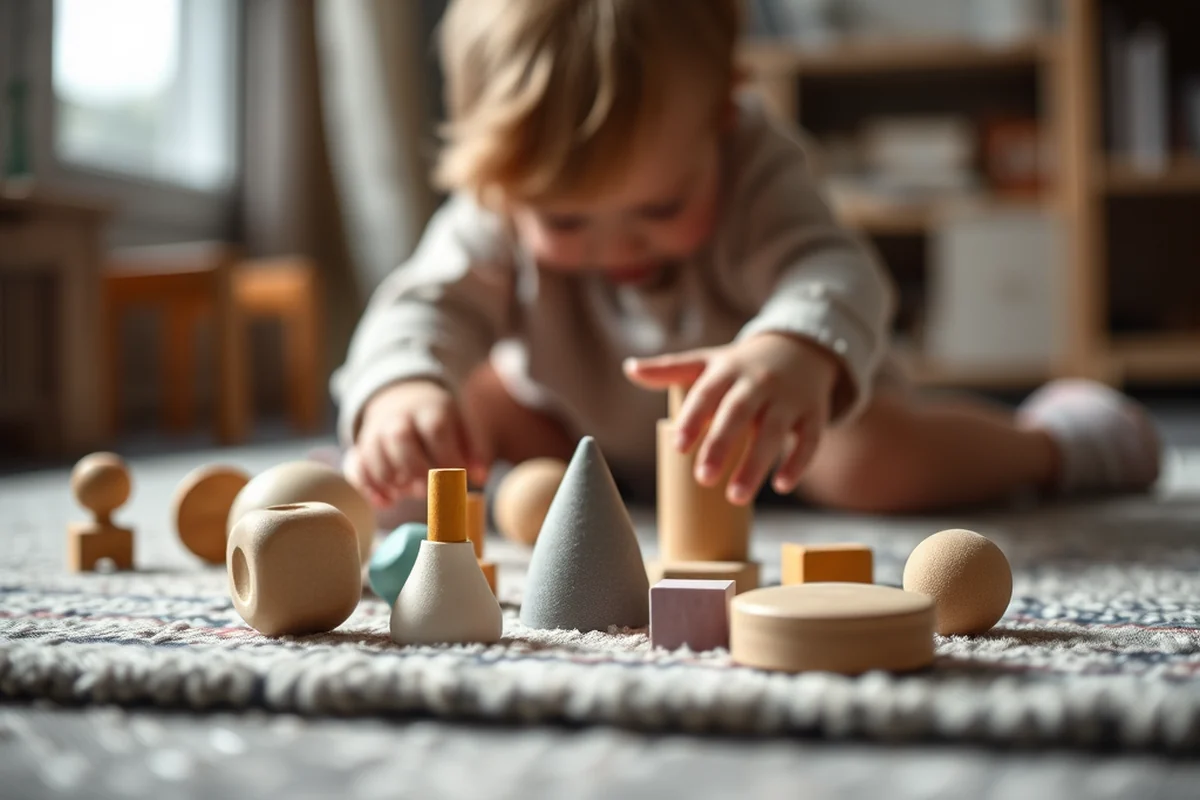
I started a 10-minute decluttering ritual each day after my son played. We would put away toys, books, and materials together — it was quick, and it taught him responsibility.[2]
This small habit kept the space from feeling chaotic and helped me maintain the Montessori principles of order and simplicity.
The biggest surprise? My child began tidying up on his own. He saw it as a game and started organizing his toys without being asked.
A little consistency goes a long way.
Related: Montessori at home troubleshooting on a budget
The Art of Repurposing
I turned a cardboard box into a sorting tray for shapes and colors, and a set of old kitchen containers became storage for small items like beads and buttons.
I used a wooden ladder to display art supplies on the wall — it was free and transformed my space into a functional learning zone.
This approach not only saved me from buying new materials but also gave my child a sense of ownership over his environment.
Look around your home and think about how everyday items can be used for Montessori activities. A cardboard box can be a tray, a ladder can be a shelf, and a bowl can be a sorting container.
“I remember the first time I tried to implement Montessori principles at home with my son, who was just turning 2.”— Thetraylife editors
Related: Best montessori at home phases
The Rule of Three
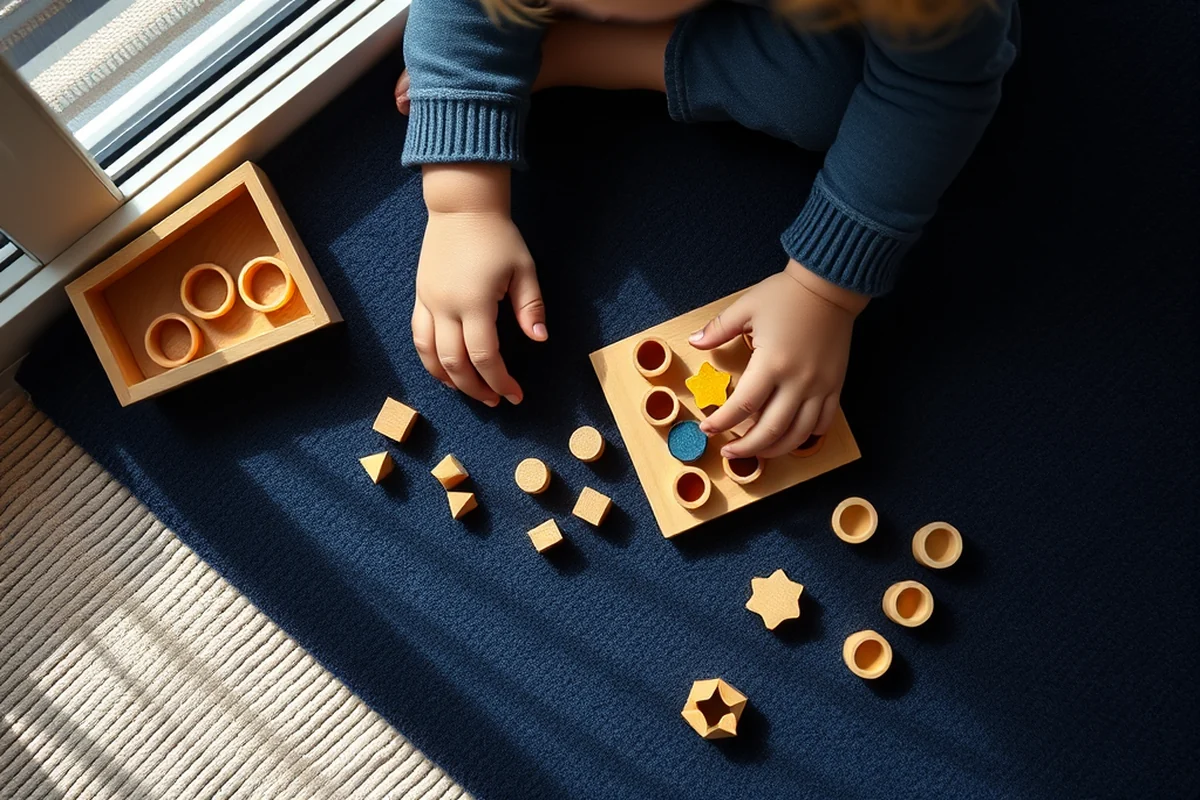
I started applying the Rule of Three to every surface in my child’s space. This means only placing three items on each shelf or table at a time — and rotating them regularly.
This approach prevented sensory overload and made it easier for my child to choose what he wanted to work with. It also helped me maintain a sense of order.
The rule of three became a game for my son. He would ask if we could ‘add more’ to a shelf — but we’d always remind him that three was the magic number.
Related: Montessori at home troubleshooting phases on a budget
The Importance of Natural Light
I rearranged my child’s space to take advantage of the natural light in our apartment. This not only made the room feel bigger but also encouraged more time spent in the space.
I moved his art table near a window so he could paint with the sunlight, and I placed his reading corner in a spot where the light was soft and warm.
The change was noticeable. My son was more engaged in his activities, and the space felt calmer and more inviting.
👶 Gentle Montessori for Toddlers
A low-pressure approach that focuses on simple, sensory-based activities for young children.
⏱️ Fast-Track Montessori Setup
A no-nonsense way to set up your home quickly with minimal effort and materials.
🧳 Montessori on the Go
Tips for maintaining Montessori principles when traveling or spending time away from home.
👯♀️ Montessori for Multiples
Creating a Montessori-friendly environment that works for multiple children in a small space.
🔄 Montessori Reset for Regression
How to reestablish Montessori routines when your child is going through a developmental phase.
| The mistake | Why it happens | The fix |
|---|---|---|
| Filling every available surface with materials | This creates sensory overload and makes it difficult for your child to focus on any one activity. | Limit the number of items on each surface and rotate them regularly to keep the space manageable. |
| Neglecting to clean up after activities | Leaving toys and materials scattered leads to a chaotic environment and discourages independence. | Implement a daily decluttering routine to keep the space organized and teach your child responsibility. |
| Trying to use too many new materials at once | This can overwhelm your child and make it hard for them to engage with any one activity. | Introduce new materials gradually and rotate them to keep the space focused and engaging. |
| Not involving the child in the setup process | This misses an opportunity to teach independence and responsibility. | Involve your child in organizing and arranging materials so they feel a sense of ownership over their space. |
Related: Budget montessori at home troubleshooting phases
Montessori At Home Troubleshooting For Small Spaces
Related: Montessori at home troubleshooting phases printable
The Magic of Multi-Functional Furniture
I found that using a low, wide table as both a snack table and a learning area encouraged my child to take ownership of her space. This setup has made mealtime and learning time more seamless, and I’ve noticed her independence growing significantly. I even added a small chair with a footrest, which has helped her sit longer during activities without straining her legs.
Another tip I picked up was using a folding chair that can be tucked away when not in use. We now have a small reading nook that’s tucked under the stairs, complete with a cushion and a small, foldable table. It’s a cozy spot for storytime and has become a favorite corner of our home. I was amazed by how quickly my child adapted to this space and how often she uses it.
Multi-functional furniture is about creating an environment that supports both practicality and child-led learning. By investing in versatile pieces, I’ve managed to create a Montessori-friendly space without sacrificing comfort or functionality. This approach has made our small home feel more spacious and purposeful, and I’ve seen a noticeable increase in my child’s engagement and confidence.
Creating Zones Without Walls
Another technique I’ve tried is using area rugs in different rooms to create a sense of cohesion and purpose. For example, we have a large rug in the living room that helps define the seating area, and a smaller one in the playroom that marks the space as a dedicated play zone. These rugs have not only made our home feel more organized but have also helped my child understand where she should be in different parts of the house.
I also use lighting to reinforce zones. I’ve placed a small, dimmable lamp in our reading nook to create a warm, inviting space for bedtime stories, and a brighter overhead light in the play area to encourage activity. This subtle change in lighting has helped my child recognize the purpose of each space and has made our home feel more intentional and functional.
Creating zones without walls has allowed me to make the most of our small space while still giving my child a sense of structure and independence. By using visual cues and thoughtful placement, I’ve transformed our home into a Montessori-friendly environment that feels both spacious and purposeful. This approach has not only saved space but has also helped my child develop a stronger sense of autonomy and organization.
The Role of Minimalist Decor in Montessori Small Spaces
Minimalist decor helps create calm, focused environments in small spaces by reducing visual clutter and distractions.
I discovered that keeping decor to a minimum in my home not only made the space feel larger but also helped my toddler stay more focused during activities. I limited wall art to a few neutral pieces and kept shelves uncluttered, which allowed her to easily access and return materials. This approach aligned with Montessori principles by promoting independence and reducing overwhelm.
By avoiding busy patterns and excessive decor, I noticed that my child was more engaged in her work and less distracted by visual noise. I used simple, natural materials like wood and cotton for rugs and textiles, which created a soothing atmosphere. This also made cleaning easier, as there were fewer items to dust or move around.
I now only introduce new decor during seasonal transitions, ensuring that the space remains consistent and predictable for my child. This has helped her feel more secure and confident in exploring her environment. The result is a home that feels both functional and peaceful, even in a small footprint.
Common Questions
How can I keep my child’s Montessori space organized in a small apartment?
Can I use Montessori principles if I don’t have a lot of space?
What’s the best way to start a Montessori routine in a small space?
How do I introduce new Montessori materials without overwhelming the space?
References
- Tobin Montessori/Vassal Lane Upper School Program Background ... (cambridgema.gov)
- children's house: the prepared environment as an oasis - ERIC (files.eric.ed.gov)
- Montessori Education: Teaching Self-Regulation through Virtual ... (digitalcommons.coastal.edu)
Cite this guide
Thetraylife (2026). Montessori At Home Troubleshooting For Small Spaces. https://thetraylife.com/montessori-at-home-troubleshooting-for-small-spaces/
Feel free to cite or share this guide.