
Montessori At Home For Beginners
📖 Table of Contents
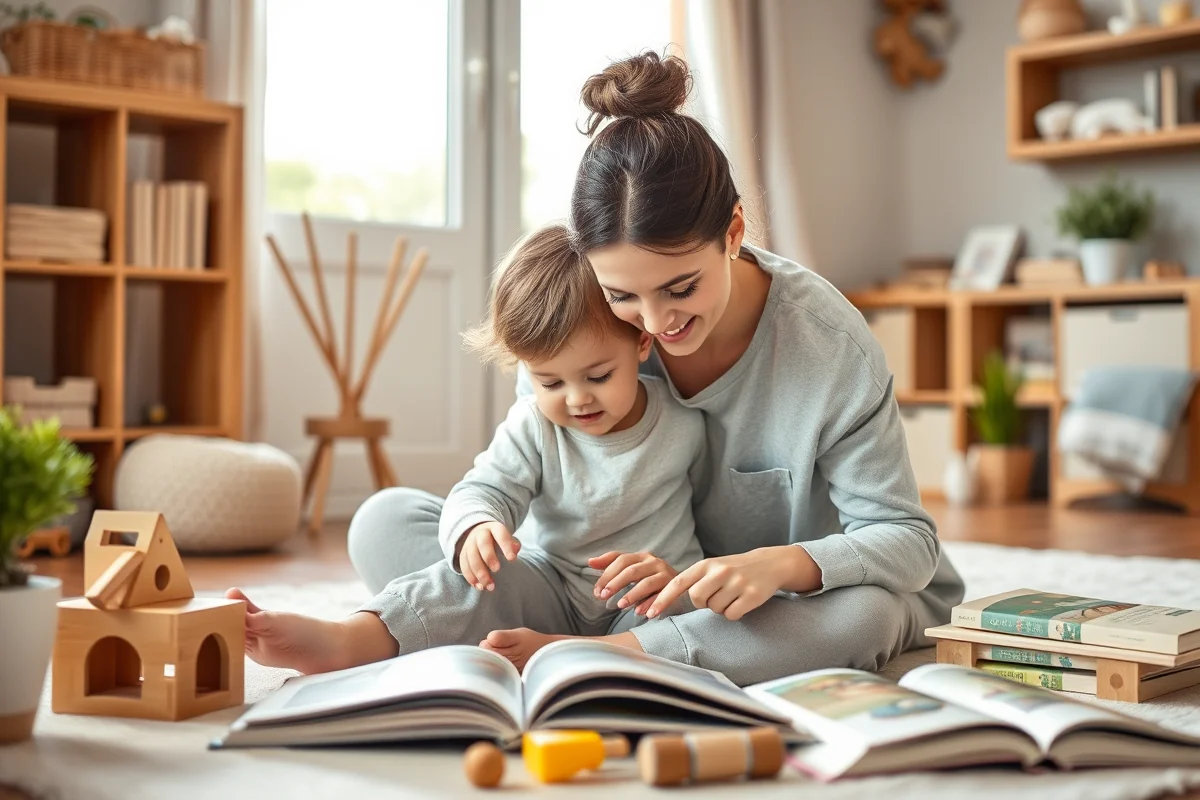
When my daughter turned two, I found myself overwhelmed by the sheer number of parenting philosophies out there. I wanted something that respected her autonomy and encouraged her to learn through exploration, not force. That’s when I stumbled on Montessori. At first, it felt like a foreign language—terms like 'prepared environment' and 'sensitive periods' confused me. But as I began to implement Montessori principles at home, I noticed a shift in my child’s confidence and curiosity. Montessori at home for beginners isn’t about perfecting everything overnight; it’s about making small, intentional changes that foster independence and learning. For the full picture, see montessori at home — our complete hub on the topic.[1]
The idea of Montessori, with its origins in Italy and its focus on child-led learning, seemed daunting at first. My home was a mess of toys, clutter, and chaos. I didn’t know where to start, and I worried that I wasn’t qualified to teach my child anything meaningful. But Montessori at home for beginners is actually quite accessible. It doesn’t require a certificate, a classroom, or even a lot of money. Instead, it’s about creating a space that allows my child to explore, move freely, and make choices. What I discovered was that the key wasn’t in the materials or the setup—it was in my own mindset. I had to trust my child, let go of control, and embrace the messiness of learning.[2]
One of the most surprising things about Montessori at home for beginners is how quickly it can become a way of life. I never imagined that arranging my child’s shelves, simplifying her toys, and letting her help with daily tasks would transform our home into a place of calm and purpose. What I didn’t expect was how much more engaged my child would become. She started cleaning up after herself, choosing her own clothes, and even solving simple problems on her own. I began to see that Montessori at home for beginners isn’t just a parenting strategy—it’s a philosophy that reshapes the way we see children, learning, and the world around us.[3]
Why You'll Love This Montessori At Home Approach
- Empowers children to take control of their learning and environment
- Creates a calm, focused, and purposeful space that fosters independence
- Reduces the need for constant supervision and interruptions
- Encourages lifelong skills such as organization, problem-solving, and self-reliance
What Montessori At Home For Beginners Actually Means
As of October 2026, Montessori at home for beginners is not about buying expensive materials or following a strict curriculum. It’s about making intentional choices that support your child’s development. This means organizing your home in a way that allows your child to move freely, choose their own activities, and engage in meaningful learning.[4]
One of the simplest steps is to lower shelves so your child can reach their own books, toys, and supplies. This allows them to take ownership of their environment and learn to manage their own belongings. I found that this small change made a huge difference in my daughter’s confidence and sense of responsibility.[5]
Another key aspect is simplifying the number of toys and materials. Clutter can be overwhelming, and it can make it difficult for your child to focus. I found that by keeping only a few high-quality, open-ended materials on display, my child was more likely to engage in deep play and problem-solving.
Start with one shelf of accessible materials. Keep it clean and organized. Let your child choose what to play with each day.
The Power of a Prepared Environment
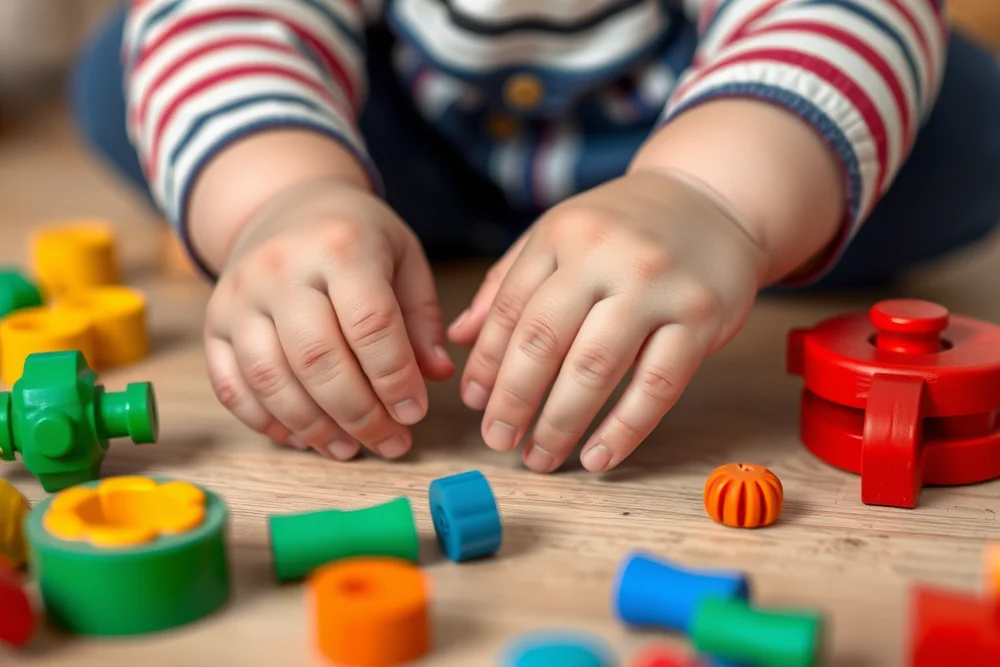
A prepared environment is not just about arranging furniture or toys—it’s about creating a space that supports your child’s natural development. This means having low shelves, child-sized furniture, and accessible materials. I found that by making these small changes, my child was more engaged and more confident in her abilities.
I made sure that every item my child needed was within reach—books, utensils, clothing, and even cleaning supplies. This allowed her to take ownership of her environment and learn to manage her own needs. It also reduced the need for constant supervision and interruptions.
One of the most important aspects of a prepared environment is the sense of order. I started by organizing my home in a way that made sense to my child. This meant using labels, color-coding, and clear storage solutions. It took time, but the result was a home that felt calm and purposeful.
A prepared environment is not just about arranging furniture—it’s about creating a space that supports your child’s natural development.
Related: Fast teach montessori at home
The Role of the Adult in Montessori At Home For Beginners
In Montessori, the adult is not the teacher, but the facilitator. This means that our job is to observe our child, follow their interests, and provide support when needed. I found that this approach allowed my child to learn at her own pace and in her own way.
One of the key principles of Montessori is that the child leads the learning. This means that instead of pushing my child to learn specific skills, I focused on following her interests and providing materials that supported her natural curiosity. I found that this approach made learning more meaningful and engaging for my child.
Another important role of the adult is to model behavior and provide gentle guidance. I made sure to model calm, respectful behavior and to provide support when my child needed it. This helped create a sense of security and trust in our home environment.
Instead of telling your child what to do, follow her interests and provide support when she needs it. This allows her to learn at her own pace and in her own way.
“When my daughter turned two, I found myself overwhelmed by the sheer number of parenting philosophies out there.”— Thetraylife editors
Related: Montessori at home for beginners that work
Introducing Practical Life Activities
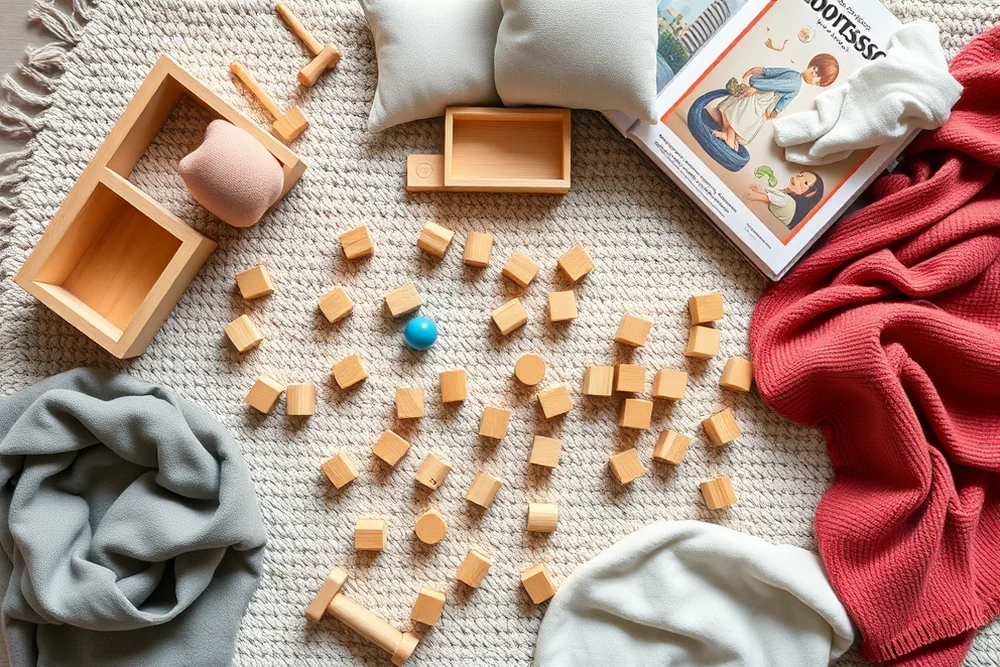
Practical life activities are simple, everyday tasks that help children develop independence and life skills. These can include things like pouring water, sweeping the floor, or buttoning their own clothes. I found that these activities not only helped my child develop fine motor skills, but also gave her a sense of purpose and accomplishment.
One of the first practical life activities I introduced was pouring water from one container to another. This helped my child develop hand-eye coordination and learn about the concept of volume. I made sure to use child-sized containers and to provide a safe, supportive environment.
Other practical life activities that I introduced included wiping surfaces, sweeping, and even preparing simple meals. These activities helped my child develop a sense of responsibility and learn to take care of her environment. I found that these activities were not only educational, but also incredibly satisfying for my child.
Related: Easy montessori activities at home
The Benefits of a Montessori-Inspired Home
One of the most noticeable benefits of a Montessori-inspired home is increased independence. My child learned to manage her own belongings, clean up after herself, and even help with simple household tasks. This not only reduced the need for constant supervision, but also gave her a sense of accomplishment and confidence.
Another benefit is the increase in focus and concentration. I found that my child was more engaged in her activities and less likely to be distracted. This was especially noticeable during play and learning activities. The sense of order and purpose in our home environment helped her stay focused and motivated.
Perhaps the most unexpected benefit was the increase in self-confidence. My child became more assertive, more independent, and more willing to take on new challenges. I found that the Montessori approach helped her develop a strong sense of self and a belief in her own abilities.
⭐ Classic
A simple, all-natural cleaning solution that’s perfect for a Montessori-inspired home.
💰 Budget
Use dish soap instead of vinegar for a budget-friendly alternative that still works well.
⚡ Extra-Fast
Skip the lemon slices to save time and still get a clean, fresh-smelling solution.
✨ Depth
Add a few drops of essential oil for an extra layer of scent and natural cleaning power.
🥗 Light
Use filtered water and reduce the amount of vinegar for a lighter, gentler solution that’s safe for sensitive skin.
| The mistake | Why it happens | The fix |
|---|---|---|
| Trying to implement too many changes at once | This can overwhelm both you and your child, making it difficult to stay consistent and focused. | Start with one or two small changes, such as lowering a shelf or introducing a new practical life activity, and build from there. |
| Not allowing your child to lead the learning | If you’re too involved or trying to direct your child’s learning, it can stifle their natural curiosity and independence. | Observe your child’s interests and follow them. Provide materials and support, but let them take the lead in their learning. |
| Using too many materials or toys | Too many materials can be overwhelming and make it difficult for your child to focus on any one activity. | Keep your space simple and organized. Provide a few high-quality, open-ended materials that encourage exploration and creativity. |
| Not being consistent with routines and order | Inconsistency can make it difficult for your child to develop a sense of order and security in their environment. | Create consistent routines and keep your space organized. Use labels and color-coding to help your child understand the layout of your home. |
| Not modeling respectful behavior | If the adult is not modeling respectful behavior, it can be difficult for the child to learn and practice it themselves. | Model calm, respectful behavior and provide gentle guidance when needed. Encourage empathy and cooperation in your home environment. |
Related: Natural free montessori lessons online
Montessori At Home For Beginners
Related: Cheap teach montessori at home
Common Questions
What materials do I need to get started with Montessori at home for beginners?
How can I create a prepared environment in my home?
What are practical life activities and how do I introduce them?
How can I involve my child in daily routines?
References
- The Effects of Implementing Montessori at Home on Children's ... (academia.edu)
- PDF Nature-Based Learning Programs (dcyf.mn.gov)
- Rules & Laws - Missouri Department of Elementary and Secondary Education (dese.mo.gov)
- PDF To What Extent Do Parents of Montessori-Educated Children "Do ... (files.eric.ed.gov)
- To What Extent Do Parents of Montessori-Educated Children "Do ... (journals.ku.edu)
Cite this guide
Thetraylife (2026). Montessori At Home For Beginners. https://thetraylife.com/montessori-at-home-for-beginners/
Feel free to cite or share this guide.