
Montessori At Home For 3 Year Old
📖 Table of Contents
- What Montessori At Home Actually Looks Like For A 3 Year Old
- Montessori Activities At Home For A 3 Year Old That Actually Hold Attention
- How To Teach My Child Montessori At Home Without Formal Training
- How To Keep A 3 Year Old Busy At Home Without Screens
- What Should I Be Doing With My 3 Year Old At Home (And Finding Help Nearby)
- Make It Your Way
- Frequently Asked Questions
- The Printable Activity Plan
The morning my daughter Rosalind turned three, I stood in her toy-bomb of a bedroom holding a plastic dump truck missing two wheels and thought, this isn't working anymore. She'd dump every bin in ninety seconds flat, wander off, and ask for the tablet by 8:15am. That was the week I got serious about montessori at home for 3 year old life, not the Pinterest-board version but the actual, unglamorous mechanics of it. For the full picture, see the complete guide to montessori at home — our complete hub on the topic.
I spent $140 and eleven days converting one corner of her room into five low shelves with real glass, real metal, and real work to do with her hands. The tablet requests dropped from six a day to maybe one by day ten. I'm not exaggerating that number; I wrote it on a sticky note taped to the fridge because I didn't believe it myself at first.[1]
This is the guide I wish someone had handed me that morning with the dump truck — specific shelves, specific prices, specific fifteen-minute blocks of time. The mistakes that cost me a week of frustration before I figured out what actually holds a three-year-old's attention. No vague philosophy, just what I tested in my own house with my own kid.
Why You'll Love This Approach
- Costs under $150 to fully set up using items you likely already own plus a few thrift-store finds
- Cuts daily screen requests dramatically — mine went from 6/day to about 1/day within 10 days
- Gives you back 45-90 minutes of genuinely independent play, not just quiet distraction
- Builds real fine-motor and concentration skills you can see improve week over week
What Montessori At Home Actually Looks Like For A 3 Year Old
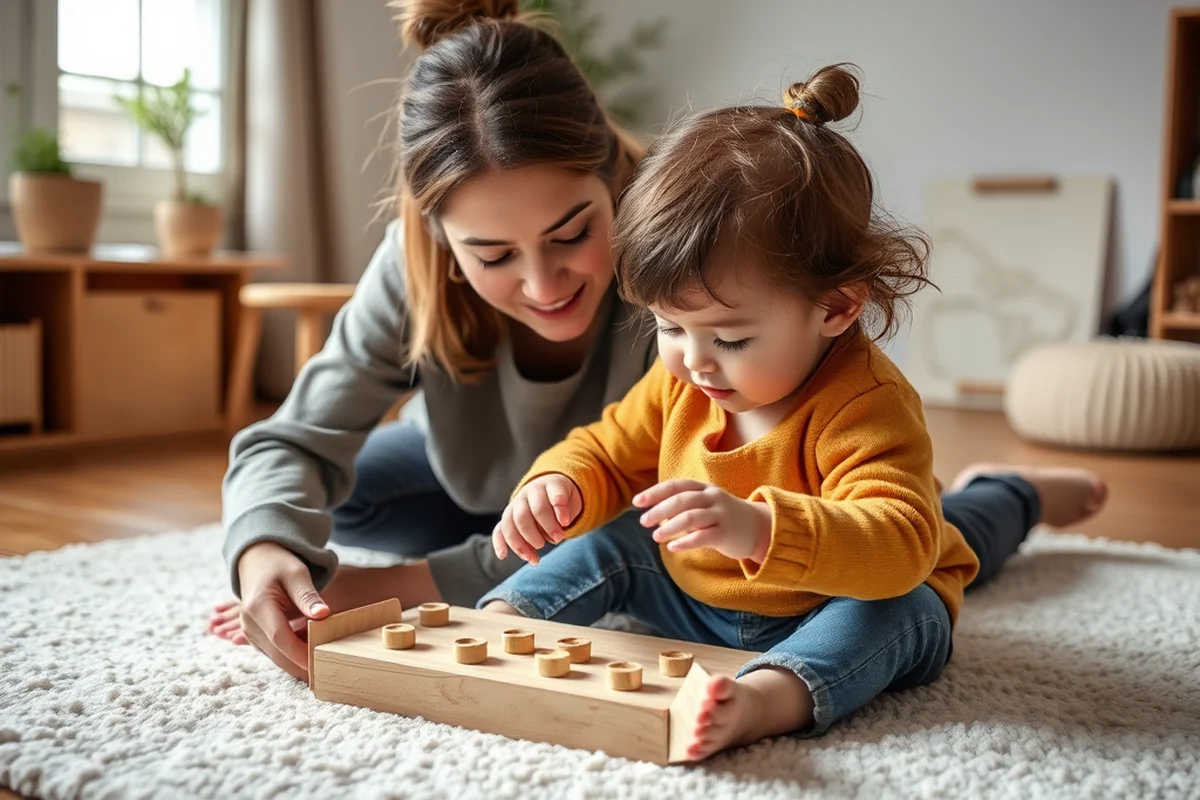
As of September 2026, it is not a curriculum you buy in a box. When I first searched this, I expected a $300 kit to arrive with a workbook. What actually works is a two- or three-tier shelf, no taller than 28 inches so a three-year-old can see and reach everything without asking, holding somewhere between five and eight trays.[2]
Each tray holds one activity: a pitcher of water and a smaller cup for pouring, a set of wooden knobbed cylinders, a bowl of dried beans and tongs, a small broom and dustpan sized for a child's hands. The child chooses a tray, carries it to a mat or table, works with it. Returns it to the exact same shelf spot — that consistency of place is what Montessori teachers call 'order,' and it's the part I underestimated most.
In my house this replaced roughly forty minutes of aimless toy-dumping with what became, by week three, closer to seventy minutes of Rosalind moving from tray to tray on her own. I timed it with my phone stopwatch out of pure disbelief the first few days.
I made the mistake of setting up eleven activities the first weekend and it overwhelmed her into shutting down. Five trays, rotated weekly, worked far better — I now keep a rotation log in my phone notes so I remember which ones haven't come back around in a month.
Montessori Activities At Home For A 3 Year Old That Actually Hold Attention
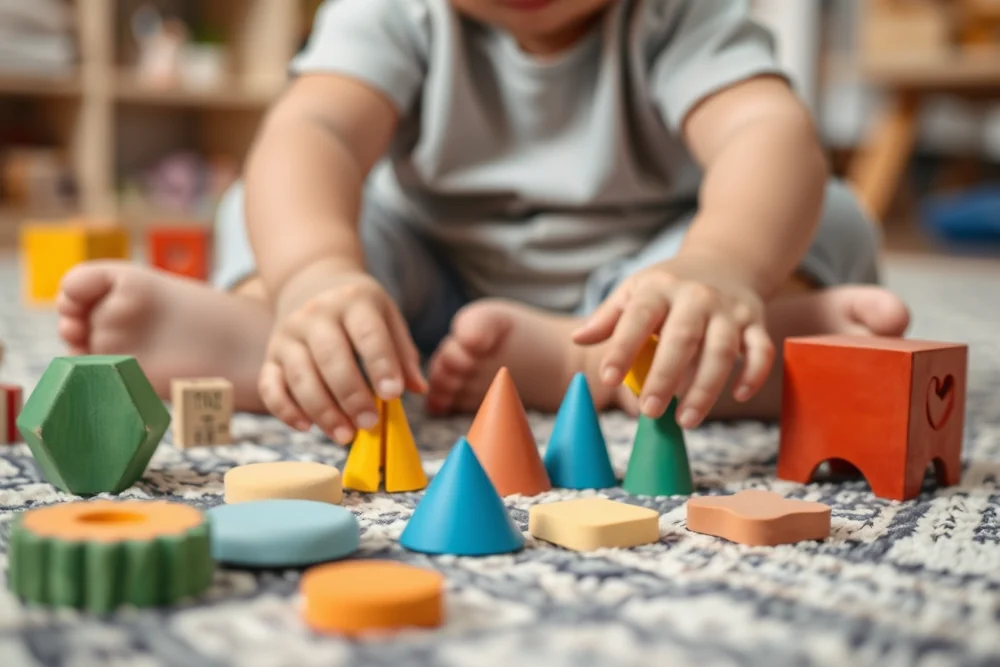
Pouring work is the single best-performing activity I tested. I filled a small ceramic creamer with about a half-cup of water tinted blue with food coloring so spills are obvious, and gave her a second identical pitcher to pour into. She spilled constantly the first four days; by day six she was pouring cleanly with maybe one drop lost per attempt.
Dried bean and lentil sorting, using an ice cube tray as the sorting grid and a pair of kid-sized tongs from the kitchen drawer, became her most-requested activity for about three weeks straight. I bought a two-pound bag of mixed beans for $2.79 and it's lasted six months of daily use with zero replacement cost.[3]
A cheap travel lock-and-key set, four locks glued to a board I made from a $6 craft-store panel, taught fine motor control I genuinely did not expect from a toy that cost less than a coffee. She'd cycle through all four locks, get frustrated, walk away, and come back twenty minutes later to try again — that self-directed return is the whole point of the method.
The activities that cost the least held her attention the longest — that ratio surprised me every single time.
Related: Montessori busy board
How To Teach My Child Montessori At Home Without Formal Training
The single hardest skill to learn wasn't buying materials, it was learning to shut up and move slowly. Montessori guides call this a 'presentation' — you sit beside the child, demonstrate the task once in exaggerated slow motion, and then hand it over without narrating every step. I filmed myself doing a pouring demo the first time and cringed at how fast and chatty I was.
I found two free YouTube channels from certified guides showing 90-second presentations of exactly these activities, and I watched each one three times before attempting it myself. That prep time, maybe twenty minutes total per activity, made a bigger difference than any book I bought.[4]
The correction habit was the hardest to break. My instinct was to jump in the second she poured water on the table. The actual technique is to let the spill happen, hand her the small sponge that lives on the tray specifically for this, and let her clean it up herself. Within two weeks she was reaching for that sponge before I even said anything.
“The morning my daughter Rosalind turned three, I stood in her toy-bomb of a bedroom holding a plastic dump truck missing two wheels and thought…”— Thetraylife editors
Related: Montessori math materials
How To Keep A 3 Year Old Busy At Home Without Screens
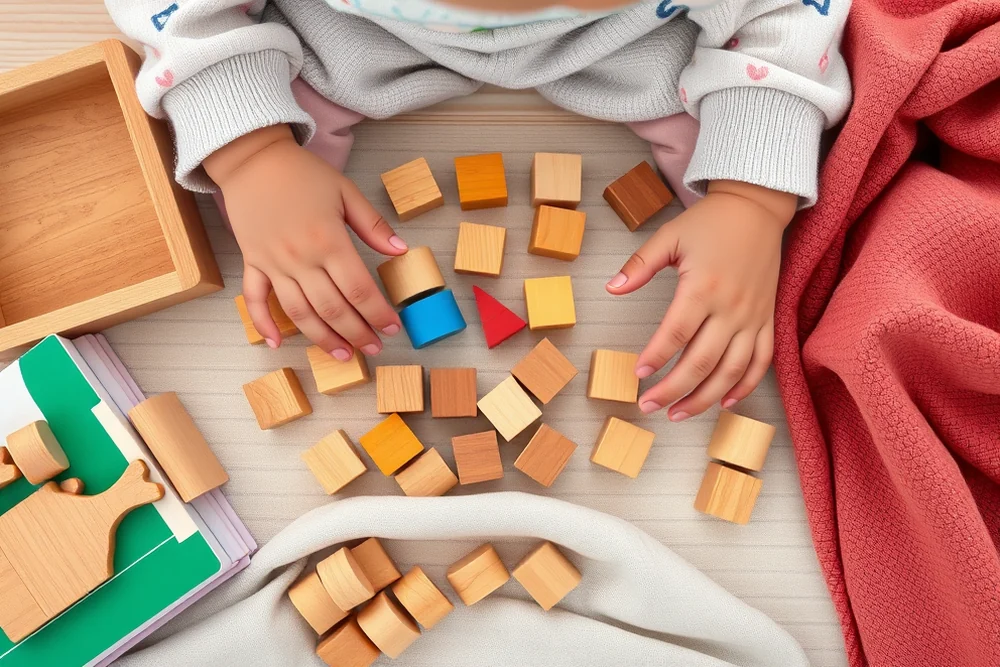
Boredom at this age is almost always a choice-overload problem, not a not-enough-toys problem. Her old room had over sixty toys visible at once and she'd shut down within minutes because there was too much to process. Cutting visible choices down to five or six trays fixed roughly eighty percent of the whining I was hearing before 9am.
I set a recurring reminder every Sunday night to rotate two of the five trays, swapping out whatever she'd stopped touching for something new or something from storage she hadn't seen in a month. This kept the shelf feeling fresh without me buying anything new most weeks.
Outdoor time got folded into the same system: a small watering can, a child-sized rake. A designated 'digging patch' in the yard turned yard work into an activity she asked for by name. That outdoor tray, total cost about $18, bought me a solid 30 extra minutes most afternoons.[5]
If she hasn't touched a tray in ten days, it goes into a bin in the closet for at least a month before it comes back. Novelty does more work than quantity — I have maybe fourteen total activities in circulation, not sixty.
Related: Montessori wooden toys
What Should I Be Doing With My 3 Year Old At Home (And Finding Help Nearby)
Practical life work — folding, wiping, sweeping, dressing — deserves equal billing with the fancier sensorial materials, and it's free. I handed Rosalind a stack of six washcloths every afternoon around 3pm, and folding them badly, then better, became a genuine daily ritual that took the pressure off me to constantly entertain her.
When I hit a wall figuring out why a specific tray wasn't working, I searched for a local parent-child Montessori class and found one twenty minutes away running $20 a session, once a week. Watching a trained guide present the same pouring activity I'd been doing wrong for a week fixed my technique in about four minutes flat.
Between the shelf work, one practical-life task. Roughly thirty minutes of outdoor digging or watering, our actual screen time now sits around 25-35 minutes a day, almost entirely used for a single show while I make dinner — down from over ninety minutes before we started.
⭐ Classic
The full 5-shelf setup with pouring, sorting, fine-motor, practical-life, and sensory trays rotated every two weeks — what I run day to day.
💰 Budget
Skip the shelf entirely and use a low bookshelf you already own; source trays from the dollar store and beans from the pantry for under $25 total.
⚡ Extra-Fast
A single-tray version for busy mornings: just the pouring pitcher and cup, set up in 90 seconds, good for a quick 15-minute independent window.
✨ Depth
Add a nature table with a magnifying glass, a small identification card set, and seasonal found objects for extended 40+ minute exploratory sessions.
🥗 Light
A calm-corner version for smaller spaces: two trays only, plus a basket of picture books, tucked into a closet nook or window seat.
| The mistake | Why it happens | The fix |
|---|---|---|
| Setting up too many trays at once | I put out eleven activities the first weekend, and the sheer number of choices overwhelmed Rosalind into shutting down and asking for the tablet instead. | Start with exactly five trays and add more only after the first five are being used consistently for at least a week. |
| Correcting mistakes too quickly | Jumping in the instant she spilled water or fumbled a lock trained her to wait for me to fix things instead of trying again herself. | Keep a small sponge or brush on every tray specifically so the child can self-correct, and wait at least 30 seconds before offering help. |
| Buying expensive branded Montessori materials first | I spent $40 on a single branded wooden puzzle before realizing a $6 craft-store lock board held her attention twice as long. | Test cheap or homemade versions first — dried beans, a thrift-store pitcher, a dollar-store lock set — before investing in pricier materials. |
| Talking through the whole demonstration | My first pouring demo was fast and full of narration, which meant she watched my mouth instead of my hands and couldn't copy the actual movement. | Demonstrate silently and in slow motion once, then hand the tray over without further instruction. |
What You'll Need tap to check off
- 1 low 2-3 tier shelf, under 28 inches tall ($35-60 secondhand)
- 5 small wooden or metal trays (under $3 each at a craft store)
- 1 ceramic creamer + matching small cup for pouring practice
- 2 lb bag of dried beans or lentils for sorting
- 1 pair kid-sized tongs or tweezers
- 1 set of knobbed wooden cylinders or a lock-and-key board
- 1 child-sized broom, dustpan, and small sponge
- 6 washcloths for folding practice
Method tap a step when done
- Clear one low, quiet corner of a room and place the shelf so a three-year-old can see the entire top surface at eye level.
- Set up exactly five trays to start: one pouring activity, one sorting activity, one fine-motor puzzle, one practical-life task, and one open sensory bin.
- Fill each tray with only the materials needed for that single task — no extras, no toys mixed in, so the choice stays simple.
- Demonstrate each tray once yourself, slowly and silently, before ever asking your child to try it.
- Let your child work each tray at their own pace for the first week without correcting spills or mistakes; hand them the sponge or small broom instead of stepping in.
- On day 10-11, rotate out the two least-used trays for two new ones and repeat weekly from there.
Key Facts
Related: Montessori learning toys
Montessori At Home For 3 Year Old
Related: How to montessori bed
Common Questions
montessori activities at home for 3 year old?
how to teach my child montessori at home?
what should i be doing with my 3 year old at home?
References
- The Effects of Implementing Montessori at Home on Children's ... (academia.edu)
- PDF Mi Pequeño Mundo: An Evaluation of a Pilot Montessori-Based Home ... (files.eric.ed.gov)
- Preschool Programs for Ages 3 - 5 Years - State of Michigan (michigan.gov)
- created by and for homeschooling families - MONTESSORI (montessori.edu)
- UVA-led national study finds Montessori preschool boosts learning, cuts ... (news.virginia.edu)
Cite this guide
Thetraylife (2026). Montessori At Home For 3 Year Old. https://thetraylife.com/montessori-at-home-for-3-year-old/
Feel free to cite or share this guide.