
Montessori At Home Rainy Tips
📖 Table of Contents
Rainy days can be the best and worst part of parenting, especially when you're trying to implement a Montessori approach at home. I remember one particularly bleak afternoon when my daughter was three and had spent the day cooped up inside because the park was closed due to heavy rain. Instead of feeling frustrated, I saw it as an opportunity to deepen our Montessori practice. It was a moment that taught me that rain isn't a setback—it's a chance to bring the world inside and create a richer learning environment.[2]
Montessori at home doesn't require a perfect day or a sunny outlook. In fact, the indoor space can be just as meaningful when the weather is less than ideal. I’ve discovered that rain can be a powerful catalyst for hands-on learning, from setting up a small indoor garden to creating sensory bins that mimic the wet world outside. These rainy days often become the most memorable learning experiences, simply because we are intentional about making the most of them.[3]
The key to Montessori at home during rainy days is to be flexible and creative. You don't need a large space or a specific set of tools; instead, you need a mindset that embraces the moment and turns the weather into a learning opportunity. I’ve found that my children are more engaged and curious on these days. I credit it to the way we've been able to harness the energy of the rain and redirect it into meaningful activities.[4]
Why You'll Love This Montessori Approach for Rainy Days
- Rainy days become opportunities for hands-on, sensory learning.
- Children are more engaged and curious when the environment is intentionally prepared.
- You don't need expensive materials—simple, everyday items work wonders.
- Rainy days can help build emotional resilience and problem-solving skills.
Creating a Rainy Day Montessori Environment
As of September 2026, one of the easiest ways to create a Montessori environment on a rainy day is to set up a small, contained space with materials that encourage exploration and independence. I’ve used a corner of the living room with a low table and a few natural items like sticks, stones, and pinecones. These items, which I collect from walks on non-rainy days, become treasures for my children to explore during the rain.
The key is to keep the space simple and accessible. I avoid overloading the area with too many items, which can overwhelm a child. Instead, I focus on a few high-quality materials that invite touch, movement, and curiosity. My children have learned to organize the space themselves, which reinforces the Montessori principle of independence.
I’ve also found that rainy days are the perfect time to introduce activities that involve water, like pouring and measuring. Using small containers, funnels, and measuring cups, my children have developed fine motor skills and an understanding of volume. It’s surprising how quickly they’ve mastered these skills when they’re engaged and enjoying the process.
Create a space where natural items like pinecones, leaves, and stones can be explored. Keep the area low and accessible for children to move freely and interact with the materials.
Part of our Montessori at home indoor rainy day ideas guide.
Sensory Play with Water and Rain
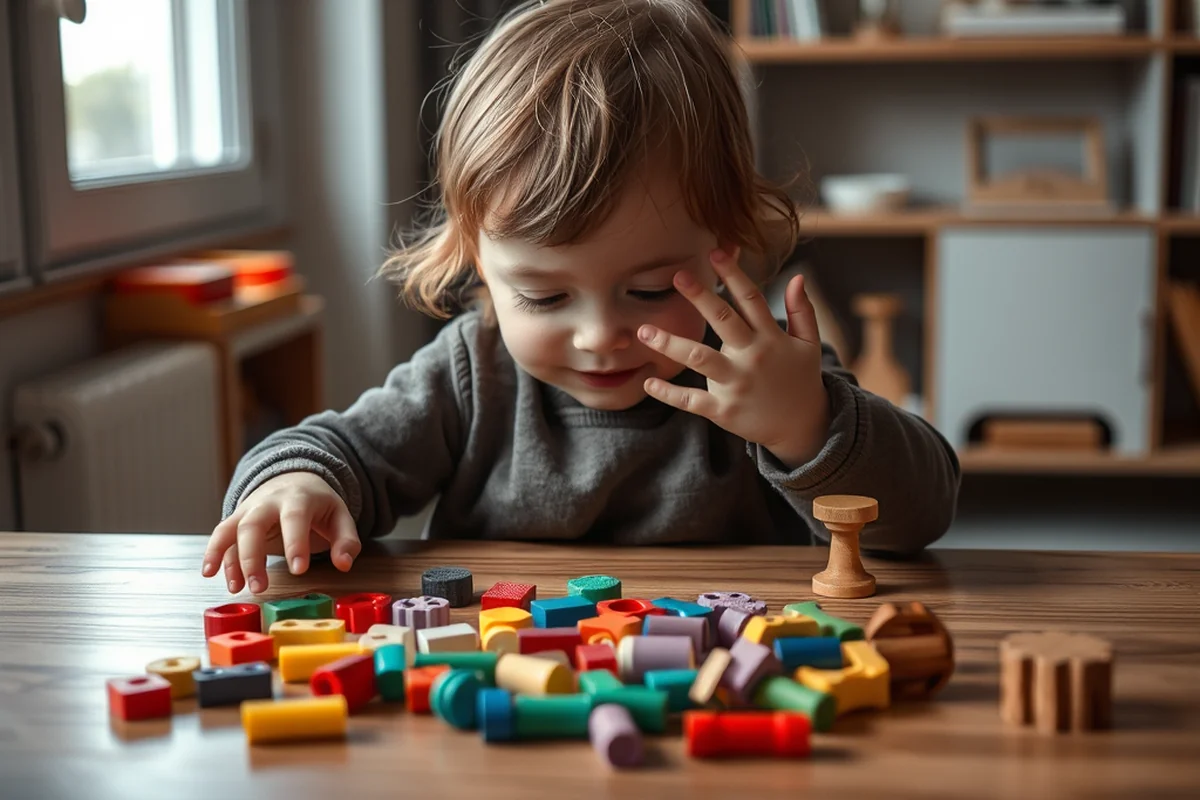
Water-based sensory play is a powerful tool for developing a child’s sensory processing and motor skills. I’ve used large containers filled with water and safe, natural materials like sponges, cotton balls. Small plastic animals to create a sensory bin that mimics the experience of being outside in the rain.
I’ve found that these sensory bins are especially useful for younger children who are still developing their fine motor skills. My son, who is 2 years old, loves using his fingers to press and push the materials into the water, which helps with hand strength and coordination. It’s a simple activity that has a big impact on his development.
When I first started using sensory bins, I was surprised by how quickly my child transitioned from watching others to participating actively. He now spends 10-15 minutes each day in these bins, which has become a cherished part of our rainy-day routine.[1]
Water and play are the perfect combination for early childhood learning.
Related: Montessori at home rainy for beginners
Indoor Nature Exploration During Rain
Bringing the outdoors inside is a core principle of Montessori, and it becomes especially important on rainy days. I’ve started a tradition of collecting natural items like leaves, flowers, and small twigs on walks and using them for indoor exploration. These items are stored in a basket in our playroom and can be accessed at any time.
I’ve found that my children are particularly interested in these items during the rainy season. They like to sort them by size, color, and texture, which helps with sorting skills and classification. It’s also a chance to talk about the environment and where these items come from.
One of the best parts of this activity is that it gives children a sense of connection to the natural world, even when they can’t go outside. It helps them understand that learning doesn’t stop just because it’s raining.
Use a basket or bin to collect and display natural items from your walks. Encourage children to explore the textures and colors, and use them to teach sorting and classification.
“Rainy days can be the best and worst part of parenting, especially when you're trying to implement a Montessori approach at home.”— Thetraylife editors
Related: Montessori at home rainy ideas
Rainy Days and Emotional Development

Rainy days are often linked with feelings of restlessness or frustration, especially for children who are used to being outdoors. However, I’ve discovered that these days can also be a great opportunity to teach emotional regulation and resilience. I’ve started a routine that includes deep breathing and calm-down corners when the weather is less than ideal.
My daughter, who is 5, has developed a habit of going to a cozy corner with a soft blanket and a book when she feels frustrated. This space is intentionally designed to be a safe place where she can process her emotions without being overwhelmed. It’s a simple but powerful tool that has helped her manage her feelings during the rain.
I’ve noticed that she’s more patient and calmer on rainy days than she used to be. It’s a small victory, but one that reinforces the idea that even the most difficult situations can be used as teaching moments.
Related: Montessori at home indoor mistakes to avoid
Rainy Day Routines and Structured Play
When it rains, it can be tempting to let the day go by without much structure. However, I’ve found that maintaining a routine even on rainy days helps children feel more secure and grounded. I’ve created a daily routine that includes specific times for sensory play, nature exploration, and quiet activities like reading.
The key is to keep the routine flexible enough to accommodate the mood of the day but consistent enough to provide a sense of order. For example, we start the day with a short walk inside the house, followed by a sensory activity, and end with a quiet book or a puzzle.
This approach has helped both my children and me stay calm and focused, even when the weather is unpredictable. It’s a reminder that structure and flexibility can coexist in a Montessori home.
🌿 Gentle Montessori
A low-pressure approach that emphasizes calm and natural exploration, perfect for sensitive children.
⚡ Fast-Track Montessori
A high-energy, activity-packed version that keeps children engaged with quick, hands-on tasks.
🧳 Travel/Outdoor Montessori
A portable, on-the-go version that uses lightweight materials and can be done during travel or outdoor excursions.
👶 Montessori for Multiples
A tailored approach that includes activities and materials that can be used by multiple children of different ages.
🔄 Regression Reset Montessori
A structured approach that helps children re-engage with Montessori principles after a period of disconnection or regression.
| The mistake | Why it happens | The fix |
|---|---|---|
| Overloading the space with too many materials. | This can overwhelm children and make it difficult for them to focus on any one activity. | Keep the space simple and use a few high-quality materials that invite exploration and independence. |
| Forcing structured play without allowing for free exploration. | This can make the experience feel more like a chore than a learning opportunity. | Balance structured activities with free play that allows children to explore at their own pace. |
| Ignoring the emotional needs of the child during the rain. | Children may feel restless or frustrated on rainy days, which can affect their learning and engagement. | Create a calm-down corner and use deep breathing exercises to help children manage their emotions. |
| Not preparing for rainy days in advance. | This can lead to last-minute decisions that may not be ideal for your child’s learning experience. | Collect natural items and set up sensory bins in advance so you’re ready when the rain comes. |
Related: Montessori at home indoor step by step
Montessori At Home Rainy Tips
Related: Simple montessori at home indoor
Embracing the Mess: Unstructured Play with Rainwater
Rainy days offer a unique chance for unstructured, hands-on learning. Let your child explore with rainwater in safe, contained areas like a shallow tray or puddle. This fosters independence, curiosity, and problem-solving as they experiment with water flow, texture, and movement.
Rainy days are perfect for letting kids explore with water in a controlled way. I once set up a small tray filled with rainwater and a few small containers for my toddler to pour and scoop. It was messy, but it was also incredibly engaging. Watching her figure out how to transfer water from one container to another was a joy to witness. This type of unstructured play supports fine motor development and scientific thinking without any formal instruction.
I also found that allowing my child to play with rainwater outside, in a shallow puddle or on a paved area, helped her develop a sense of autonomy. She would run back and forth, splashing and laughing, and I noticed her confidence growing as she explored the effects of water on different surfaces. These moments of pure, unstructured play are where real learning often happens, even if it's not in a classroom setting.
It’s important to approach this with a relaxed mindset. I learned that my child’s creativity and curiosity were most evident when there were no strict rules or expectations. I let her lead the way, and it became a bonding experience that I never expected. Embracing the mess and allowing her to explore freely was one of the most rewarding parts of rainy day play. It reminded me that sometimes the best learning happens when we step back and let kids discover on their own.
Common Questions
How can I keep my child engaged during a rainy day?
Do I need special materials for Montessori at home during the rain?
How do I handle frustration or restlessness during rainy days?
Can I incorporate Montessori principles into my child's daily routine on rainy days?
References
- 101 Things Parents Can Do to Help Children (bauer.uh.edu)
- The Opening of the Tobin Montessori Darby Vassall Upper Schools ... (cambridgema.gov)
- 2025 Imagine a Day without Water Art Contest Winners Announced (charlottesville.gov)
- The Effects of Implementing Montessori at Home on Children's ... (academia.edu)
Cite this guide
Thetraylife (2026). Montessori At Home Rainy Tips. https://thetraylife.com/montessori-at-home-rainy-tips/
Feel free to cite or share this guide.