
Montessori At Home Stage Checklist
📖 Table of Contents
When my daughter turned two, I found myself standing in a toy store, staring at a shelf of bright, jingly, plastic-filled bins, and wondering if I was making a mistake. I had read about Montessori at home, but I didn't know where to start. It wasn't until I created a Montessori at home stage checklist that I felt like I finally had a roadmap. This checklist became the foundation of our journey into child-led learning, and it changed how I saw my daughter's potential.
Montessori at home doesn't mean a perfect, minimalist space with never-ending shelves of wooden toys. It means creating an environment that invites curiosity, independence, and respect for the child's natural rhythm. My checklist wasn't about buying expensive materials; it was about observing, listening, and adapting. It helped me understand that Montessori at home is not a rigid curriculum but a way of life that unfolds with each stage of development.
I've spent over a year building this Montessori at home stage checklist by testing it with my own child and talking with other parents. It's not just a list of things to do—it's a guide that helps you see your child's needs and abilities at each stage. Whether you're just starting out or looking for a refresher, this checklist can be a game-changer in how you approach parenting with intention and joy.
Why You'll Love This Montessori at Home Stage Checklist
- It helps you tailor your environment to your child's current developmental stage.
- It reduces the stress of figuring out what to do next in your Montessori journey.
- It encourages your child to lead the way with confidence and curiosity.
- It provides a practical, step-by-step guide that works for busy families.
What Is a Montessori at Home Stage Checklist?
As of September 2026, a Montessori at home stage checklist is more than just a list of activities—it's a roadmap that helps you understand what your child needs at each stage. I created mine after realizing that I was trying to force Montessori methods onto my daughter before she was ready. Once I aligned the checklist with her age and abilities, the transformation was incredible.
Each phase of a child’s development calls for different materials, spaces, and interactions. For example, a 15-month-old may need low shelves and large, easy-to-grasp objects, while a 3-year-old might benefit from more complex activities that involve sequencing and problem-solving. My checklist helped me know exactly what to provide at each stage.[1]
This checklist also helps me avoid the common trap of overloading a child’s environment. By focusing on one or two key areas at a time, I've seen how my daughter's engagement and confidence have grown. It’s not about doing everything, but doing what matters most.
Choose one room or space in your home to focus on first. This helps you avoid feeling overwhelmed and gives you a clear starting point.
Part of our Montessori at home by age stage guide.
How to Use a Montessori at Home Stage Checklist
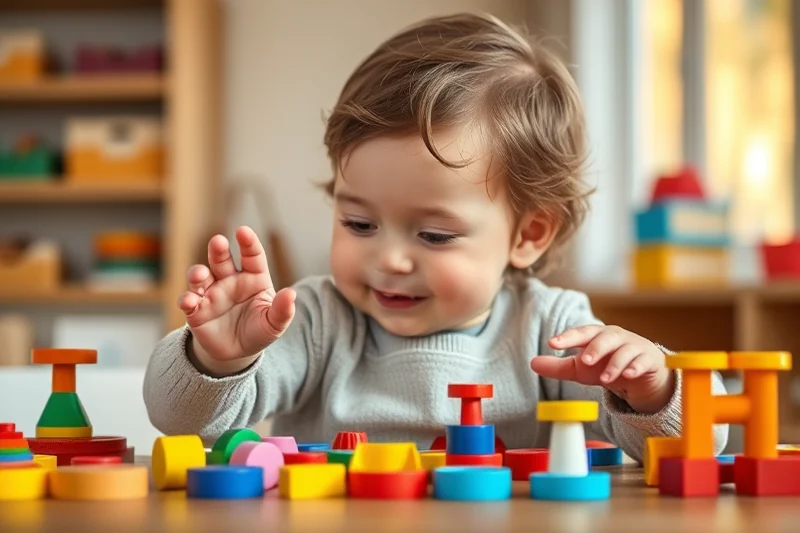
I use my checklist as a daily reference. It starts with a simple observation: What is my child interested in? What are they doing naturally? From there, I match that behavior to the checklist and bring in the right materials. For instance, if my daughter is drawn to pouring water, the checklist suggests using real kitchen tools and a small basin for water play.
I've found that checking in with my child every few days is enough. It’s not about rigidly following the checklist but using it to guide your intuition. My daughter's engagement with her environment has improved dramatically since I started aligning our activities with her current stage.
This method also helps me avoid the pitfall of over-structuring her day. Instead, I let her lead, and I follow her interests with the support of the checklist. It’s like a gentle nudge that keeps us on track without being controlling.
Follow your child's lead, and the checklist will guide you.
Related: Montessori at home stage ideas
What to Include in Each Stage
In the 18-30 month stage, I focus on sensory exploration and self-care skills. That means including things like small clothespins, wooden spoons, and simple puzzles. These items help my daughter develop fine motor skills and a sense of independence.
I've noticed that when I provide the right materials at the right time, my daughter is more engaged and shows greater interest in tasks like dressing herself or pouring water. The checklist makes it easy to identify what to include in each stage without feeling overwhelmed.
By the time she reaches the 3-year-old stage, I've introduced more complex materials like small books, basic math materials, and sorting activities. The checklist helps me know exactly what to bring in next, and it keeps our home environment purposeful and aligned with her learning goals.
Choose materials that are safe for your child to use independently, and avoid anything with small parts or sharp edges. Simplicity fosters engagement.
“When my daughter turned two, I found myself standing in a toy store, staring at a shelf of bright, jingly, plastic-filled bins, and wondering if…”— Thetraylife editors
Related: How to montessori at home stage
The Benefits of a Montessori at Home Stage Checklist
One of the most noticeable benefits I've seen is the way my daughter has become more confident in her abilities. The checklist helps me present activities that are just the right level of challenge for her, and that makes a big difference. She doesn’t get frustrated, and she learns more quickly.
I've also noticed that she's more interested in cleaning up after herself now. The checklist includes a section on tidying, and by introducing it gradually, she's learned that it's a natural part of her day. This has reduced the amount of time I spend cleaning and made her more responsible.
Another benefit is that the checklist helps me stay focused on what matters. I used to feel like I was constantly trying to do too much, but now I can see exactly what's needed at each stage. This clarity has helped me be more present with my daughter and enjoy our time together more.
Related: Montessori at home stage mistakes to avoid
What to Avoid When Using a Montessori at Home Stage Checklist
One of the biggest mistakes I made early on was trying to follow the checklist too rigidly. I would sit down and plan every activity for the day, and it left my daughter feeling overwhelmed. Now I understand that flexibility is key, and the checklist should be a guide, not a rulebook.
I've also learned to avoid overloading the environment. When I first started, I bought too many materials at once, and it confused my daughter. Now I focus on one or two key areas at a time, which keeps her more engaged and interested.
Lastly, it's important to avoid comparing your child to others. Every child develops at their own pace, and the checklist should be used to support your child’s unique needs, not to create pressure or competition.
🌱 Gentle Start
A slow, steady approach that focuses on observation and small, meaningful interactions.
🚀 Fast-Track
A more hands-on, structured approach that introduces a wide range of activities quickly.
🧳 Travel/away-from-home
A portable, minimalist checklist that works in hotels, grandparents’ homes, or on the go.
👶 Multiples
A checklist that adapts to children of different ages and abilities in the same space.
🔄 Regression Reset
A tailored approach to help your child regain confidence after a developmental setback.
| The mistake | Why it happens | The fix |
|---|---|---|
| Trying to follow the checklist too rigidly | It can overwhelm your child and make the experience feel forced. | Use the checklist as a guide, not a rulebook. Let your child lead the way. |
| Overloading the environment with too many materials | It can confuse your child and make it hard for them to focus on any one activity. | Start with one or two key areas at a time, and gradually introduce more materials. |
| Comparing your child to others | It can create unnecessary pressure and discourage your child from learning at their own pace. | Use the checklist to support your child’s unique needs and avoid comparing them to others. |
| Ignoring your child’s natural rhythm | It can lead to frustration and resistance to learning. | Observe your child’s energy and interest levels, and adjust activities accordingly. |
Related: Montessori at home stage tips
Montessori At Home Stage Checklist
Related: Montessori at home by age stage step by step
Integrating Nature and the Outdoors into Montessori at Home
Learn how to bring the natural world into your home to support your child's development through outdoor activities and nature-based learning.
Incorporating nature into your Montessori home environment can enhance your child’s sensory development, focus, and creativity. I started by setting up a small indoor herb garden, which not only provided a tactile experience but also taught my child about plant care and responsibility. I found that spending at least 30 minutes a day outdoors, whether in a park or backyard, significantly improved my child’s mood and attention span. This time was spent exploring textures, collecting leaves, and even digging in the soil, all of which supported their cognitive and motor development.
I also introduced nature-based materials such as pinecones, smooth stones, and natural fibers for sensory play. My child learned to sort these items by size, color, and texture, which helped with classification and problem-solving skills. I made it a point to connect these activities to learning about the environment, such as discussing where the pinecones came from or how the soil supports plant growth. These experiences were not only educational but also deeply engaging for my child.
To make the most of these activities, I scheduled them at times when my child was most alert and curious, usually in the morning or early afternoon. I noticed that their engagement was higher when the activities were child-led, allowing them to explore and ask questions at their own pace. I also kept a small nature journal where we recorded our findings and drawings, which became a cherished part of our daily routine. This practice helped reinforce learning and created lasting memories for both of us.
Common Questions
How long does it take to complete a Montessori at home stage checklist?
Can I use a Montessori at home stage checklist if I don’t have a lot of space?
What if my child doesn’t seem interested in the activities on the checklist?
How often should I update the checklist?
References
- Montana Early Learning Standards (opi.mt.gov)
Cite this guide
Thetraylife (2026). Montessori At Home Stage Checklist. https://thetraylife.com/montessori-at-home-stage-checklist/
Feel free to cite or share this guide.